20 Animals That Start With G in Spanish (With Meanings)
Spanish animals that start with G are some of the most common words you’ll meet in everyday Spanish. From el gato (cat) on your sofa to la gallina (hen) in the yard, G-animals show up constantly in conversation, children’s books, and nature documentaries.
This guide covers 20 animals that start with G in Spanish, from la gacela (gazelle) to el gusano (worm). Each entry gives you the Spanish word, its English translation, its grammatical gender (el or la), and an example sentence so you can see it used naturally.
Each entry shows the Spanish word with its definite article so you learn the gender alongside the noun — the way Spanish speakers actually store it. Use the Quick List table below to review all twenty at a glance, then read the detailed entries for context and usage.
📋 Quick List: G Animals in Spanish
- Gacela — Gazelle (la)
- Galápago — Freshwater tortoise (el)
- Gallina — Hen (la)
- Gallo — Rooster (el)
- Ganso — Goose (el)
- Garrapata — Tick (la)
- Garza — Heron (la)
- Gato — Cat (el)
- Gato montés — Wildcat (el)
- Gavilán — Buzzard (el)
- Gaviota — Gull (la)
- Gecko — Gecko (el)
- Golondrina — Swallow (la)
- Gorila — Gorilla (el)
- Gorrión — Sparrow (el)
- Grillo — Cricket (el)
- Grulla — Crane (la)
- Guacamayo — Macaw (el)
- Guepardo — Cheetah (el)
- Gusano — Worm (el)
Gacela – Gazelle
La gacela corre velozmente por la llanura. (The gazelle runs swiftly across the plain.)
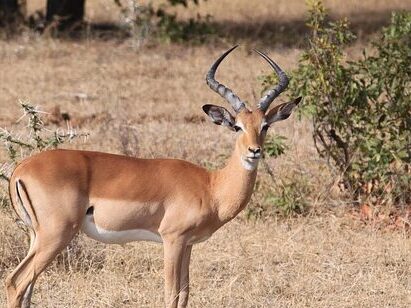
Note: Gacela is feminine: la gacela, las gacelas. A common animal in African wildlife documentaries and a frequent symbol of grace and speed in Spanish literature.
Galápago – Freshwater tortoise
El galápago se encuentra en el estanque del jardín. (The freshwater tortoise is in the garden pond.)
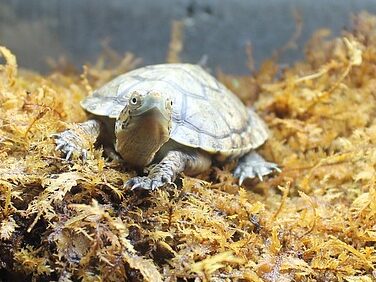
Note: Galápago is masculine: el galápago, los galápagos. Refers specifically to freshwater turtles, not sea turtles (which are tortugas marinas). The Galápagos Islands are named after this word.
Gallina – Hen
La gallina pone huevos en el gallinero. (The hen lays eggs in the chicken coop.)
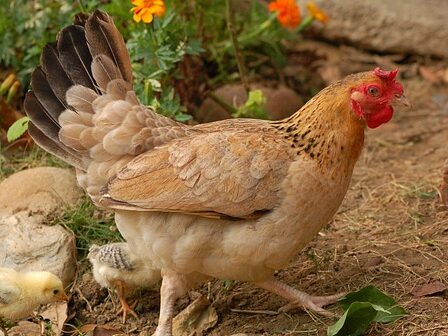
Note: Gallina is feminine: la gallina, las gallinas. Refers to the female chicken specifically. The masculine form gallo means “rooster.” A very common word in rural vocabulary and fables.
Gallo – Rooster
El gallo canta al amanecer. (The rooster crows at dawn.)
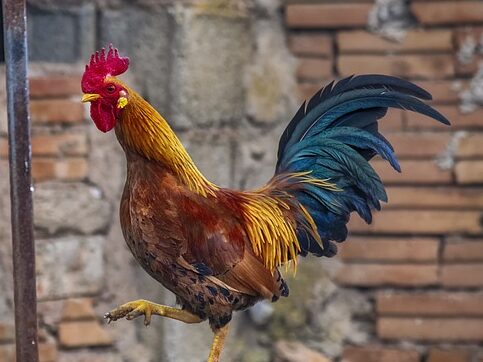
Note: Gallo is masculine: el gallo, los gallos. The feminine is gallina (hen). El gallo is also used figuratively in expressions like “ser un gallo” (to be brave or bold).
Ganso – Goose
Los gansos vuelan en formación en el cielo. (The geese fly in formation in the sky.)
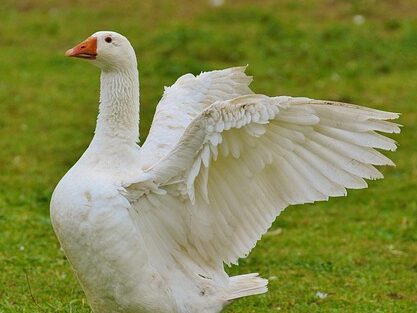
Note: Ganso is masculine: el ganso, los gansos. The feminine form gansa exists but is less common. In some Latin American countries, “ganso” is also used informally to mean a lazy person.
Garrapata – Tick
La garrapata se adhiere a la piel de los animales. (The tick attaches itself to the skin of animals.)
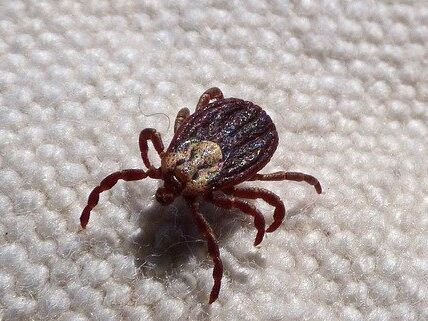
Note: Garrapata is feminine: la garrapata, las garrapatas. An important word in veterinary and pet-care vocabulary. The H is not present here, but note the double R and the stress on the second syllable: ga-rra-PA-ta.
Garza – Heron
La garza pesca en la orilla del lago. (The heron fishes at the edge of the lake.)
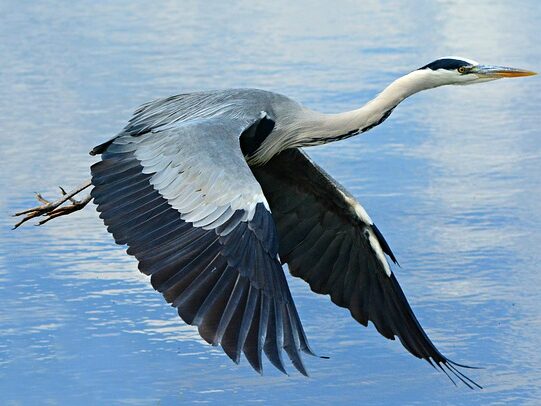
Note: Garza is feminine: la garza, las garzas. A common bird in wetlands and a frequent symbol in Spanish poetry. Not to be confused with garceta (egret), a smaller relative.
Gato – Cat
El gato juega con una bola de lana. (The cat plays with a ball of yarn.)
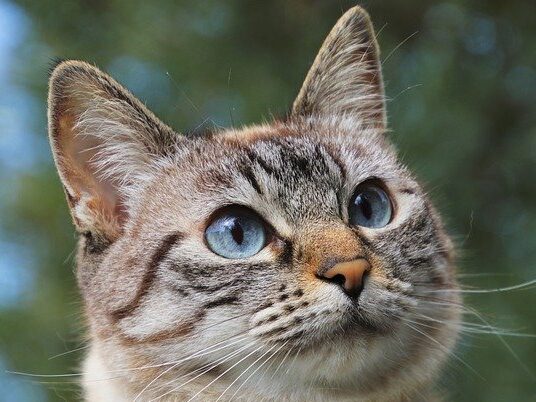
Note: Gato is masculine: el gato, los gatos. The feminine is gata. One of the most common pet words in Spanish. The idiom “aquí hay gato encerrado” (there’s something fishy going on) uses this word.
Gato Montés – Wildcat
El gato montés se mueve sigilosamente entre la vegetación. (The wildcat moves stealthily through the vegetation.)
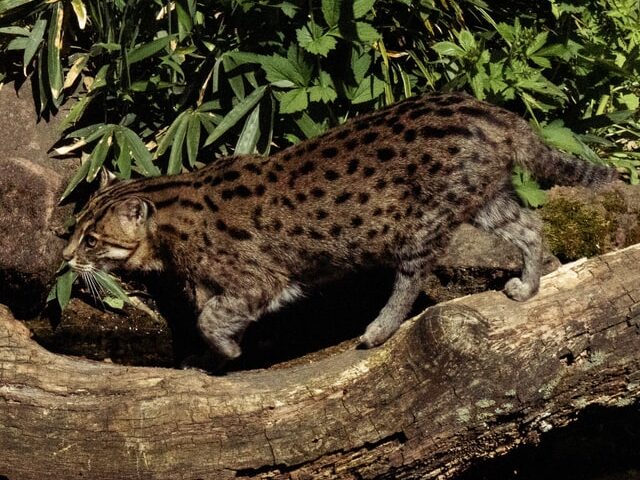
Note: Compound noun: gato (cat) + montés (of the mountains/wild). Gender follows the first noun: el gato montés. Plural: los gatos monteses. Refers to the European wildcat, not a domestic stray.
Gavilán – Buzzard
El gavilán planea en círculos en el cielo. (The buzzard circles in the sky.)
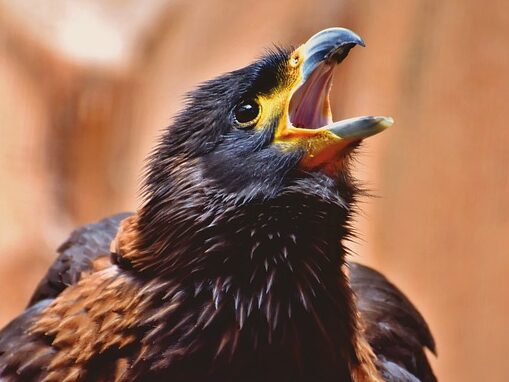
Note: Gavilán is masculine: el gavilán, los gavilanes. In some regions, gavilán refers to a sparrowhawk rather than a buzzard — regional usage varies. A common bird of prey in Spanish proverbs.
Gaviota – Gull
La gaviota vuela sobre el océano en busca de comida. (The gull flies over the ocean in search of food.)
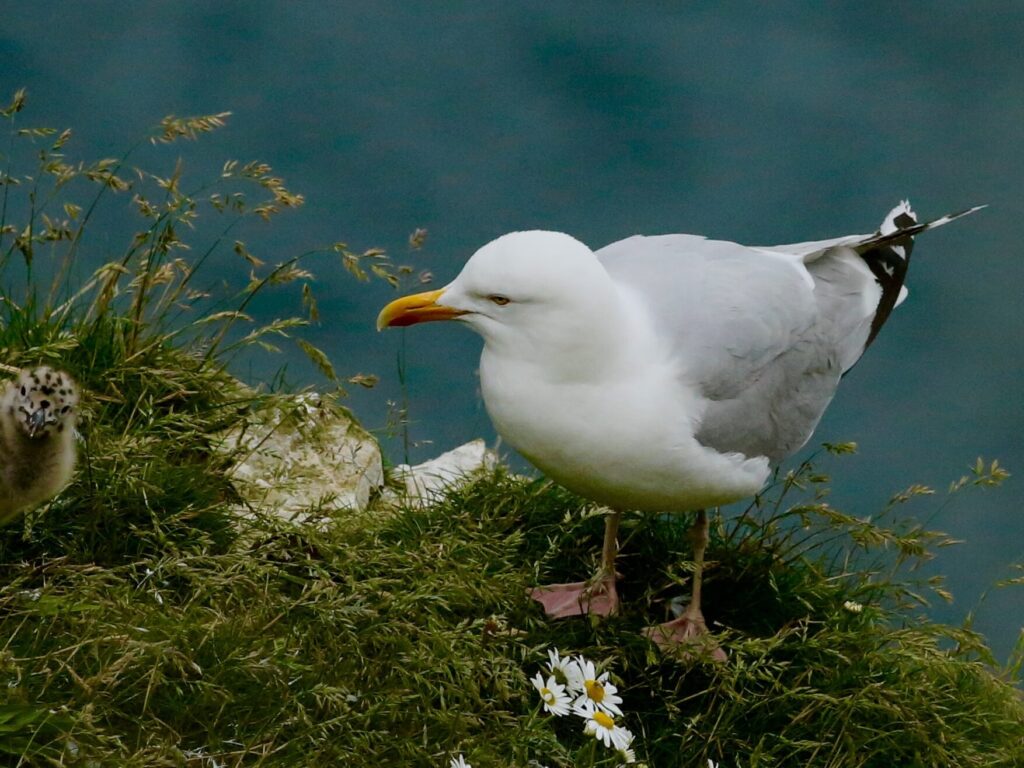
Note: Gaviota is feminine: la gaviota, las gaviotas. A very common coastal bird. The word appears in the title of the famous novel “Juan Salvador Gaviota” (Jonathan Livingston Seagull).
Gecko – Gecko
El gecko trepa por la pared en busca de insectos. (The gecko climbs up the wall in search of insects.)
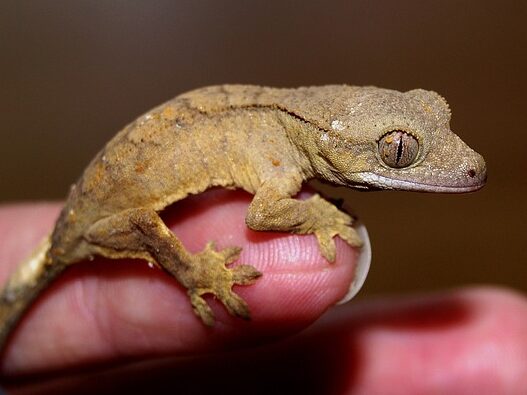
Note: Gecko is masculine: el gecko, los geckos. The word is a loanword from English, so it keeps its original spelling. In some regions, the native term salamanquesa is used instead.
Golondrina – Swallow
La golondrina regresa cada primavera. (The swallow returns every spring.)
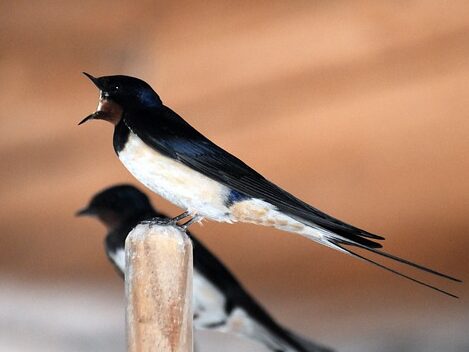
Note: Golondrina is feminine: la golondrina, las golondrinas. A migratory bird associated with spring in Spanish culture. The expression “una golondrina no hace verano” (one swallow does not make a summer) is a common proverb.
Gorila – Gorilla
El gorila es un primate grande y fuerte. (The gorilla is a large and strong primate.)
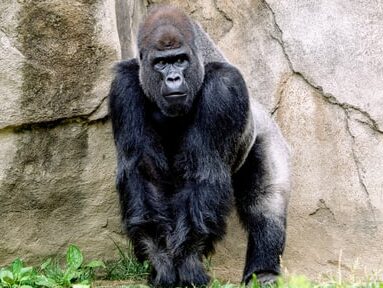
Note: Gorila is masculine: el gorila, los gorilas. Despite the -a ending, it’s masculine — a good example of why gender can’t be guessed from spelling. The word is the same in Spanish and English.
Gorrión – Sparrow
El gorrión busca migas en el suelo del parque. (The sparrow searches for crumbs on the park ground.)
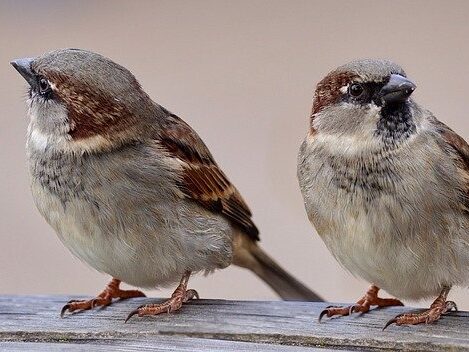
Note: Gorrión is masculine: el gorrión, los gorriones. The plural adds -es and drops the accent: gorriones. A very common city bird in Spain and Latin America.
Grillo – Cricket
El grillo canta en la noche. (The cricket sings at night.)
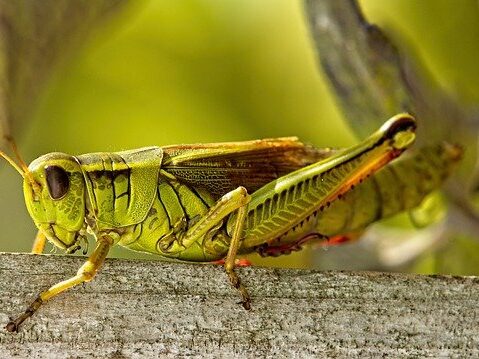
Note: Grillo is masculine: el grillo, los grillos. The idiom “estar como grillo” or “más contento que un grillo” means to be very happy. Cricket chirping is a classic sound of Spanish summer nights.
Grulla – Crane
La grulla realiza elegantes danzas en pareja. (The crane performs elegant dances with its partner.)
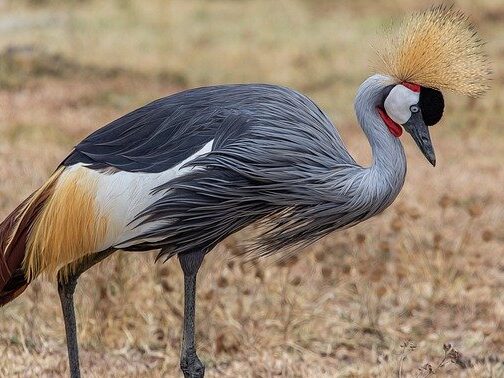
Note: Grulla is feminine: la grulla, las grullas. A large migratory bird. Don’t confuse with grúa, which means “tow truck” or “crane machine.” The double L is pronounced “ly” or “y” depending on the region.
Guacamayo – Macaw
El guacamayo tiene un plumaje vibrante y colorido. (The macaw has vibrant and colorful feathers.)
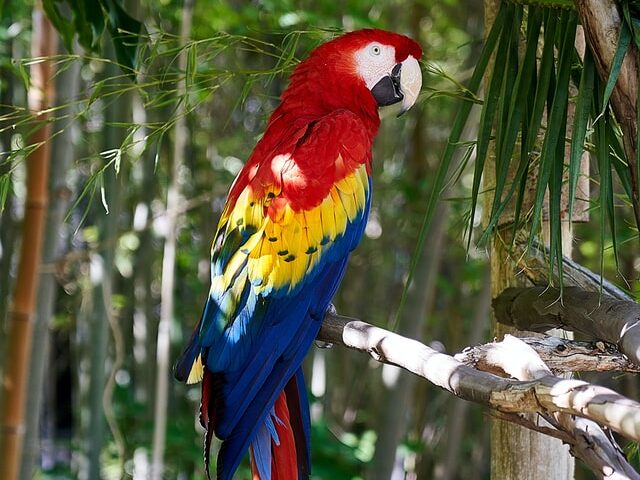
Note: Guacamayo is masculine: el guacamayo, los guacamayos. A tropical parrot native to Latin America. The word comes from Taíno, an indigenous Caribbean language — a nice example of Spanish’s indigenous roots.
Guepardo – Cheetah
El guepardo es conocido por su velocidad en la carrera. (The cheetah is known for its speed in running.)
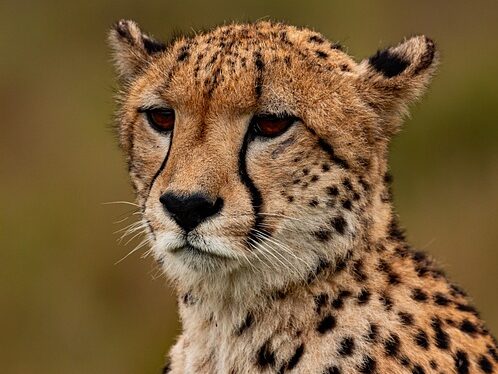
Note: Guepardo is masculine: el guepardo, los guepardos. The fastest land animal. In some regions, chita is also used. The initial gu- is pronounced like a hard “g” (GEH-par-do).
Gusano – Worm
El gusano ayuda en la descomposición de materia orgánica. (The worm aids in the decomposition of organic matter.)
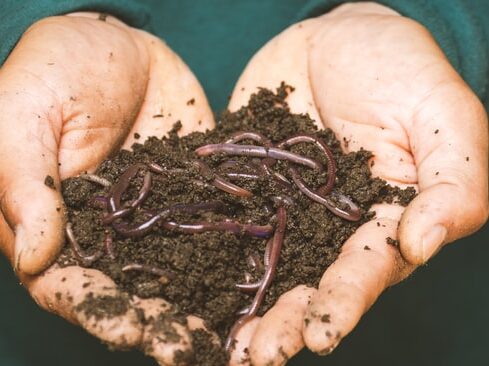
Gusano is masculine: el gusano, los gusanos. A general word for worm or larva. In some Latin American countries, gusano is used informally to mean a despicable person — context matters.
🐗 G Animals in Spanish: Frequently Asked Questions
A: The most common animals that start with G in Spanish are el gato (cat), el gallo (rooster), la gallina (hen), el gorila (gorilla), and la gaviota (gull). See the full list of 20 above.
A: Both. Most G-animals ending in -o are masculine (el gato, el gallo, el ganso), and most ending in -a are feminine (la gacela, la gallina, la gaviota). But watch for exceptions like el gorila and el galápago.
A: Cat is gato (masculine: el gato). The feminine is gata. El gato juega con una bola de lana — The cat plays with a ball of yarn.
A: Masculine, despite the -a ending: el gorila, los gorilas. This is a common exception that trips up learners — always learn the article with the noun.
A: This page covers 20 animals that start with G in Spanish, from gacela (gazelle) to gusano (worm).