Animal Names in Spanish Starting with K
Explore our complete list of animal names in Spanish that start with K. From the unique koala (koala) to the colorful kakapó (kakapo), this list includes pronunciation and example sentences to help you master this essential vocabulary.
The letter K is the thinnest in the entire Spanish animal vocabulary — and there’s a linguistic reason for it. Spanish inherited almost no native words beginning with K, so nearly every K-animal in the language is a loanword from another language: Maori, English, Aboriginal Australian, or a scientific term borrowed from Greek. This guide covers 5 animals that start with K in Spanish, from el kagu (kagu) to el kril (krill).
Because the list is short, it’s worth saying so directly: this isn’t a case of a page missing content, it’s a case of the letter genuinely having very few Spanish animal names. You’ll notice that every entry here is a word you could also use in English — kiwi, koala, kakapó, kagu, kril — with minor spelling differences. That’s not coincidence. These animals are not native to Spanish-speaking regions, so Spanish borrowed the names rather than inventing new ones.
📋 Quick List: K Animals in Spanish
- Kagu — Kagu (el)
- Kakapó — Kakapo (el)
- Kiwi — Kiwi (el)
- Koala — Koala (el)
- Kril — Krill (el)
Kagu – Kagu in Spanish (el)
El kagu vive en los bosques de Nueva Caledonia. (The kagu lives in the forests of New Caledonia.)
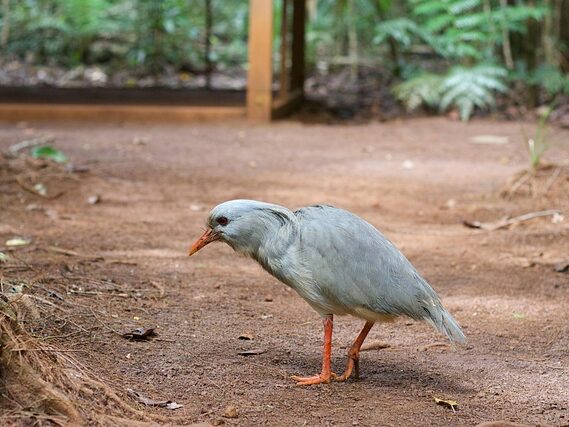
Note: Kagu is masculine. The word comes from a Melanesian language of New Caledonia, the Pacific island where the bird is found. The kagu is a flightless bird with a distinctive crest and a loud, barking call. It’s the only surviving member of its family and is endangered. In Spanish, the word keeps its original spelling and is invariable in the plural: los kagu.
Kakapó – Kakapo in Spanish (el)
El kakapó es un loro nocturno y no volador que está en peligro de extinción. (The kakapo is a nocturnal, flightless parrot that is endangered.)
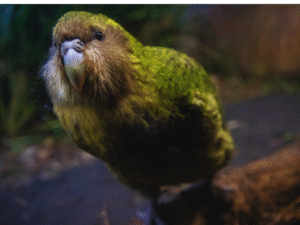
Note: Kakapó is masculine and carries an accent on the final syllable: ka-ka-PÓ. The word comes from Maori, the indigenous language of New Zealand, and means “night parrot.” The kakapo is the world’s only flightless parrot and one of the rarest birds on Earth — fewer than 250 are alive today. Spanish borrowed the word directly from English, which borrowed it from Maori.
Kiwi – Kiwi in Spanish (el)
El kiwi no puede volar. (The kiwi cannot fly.)
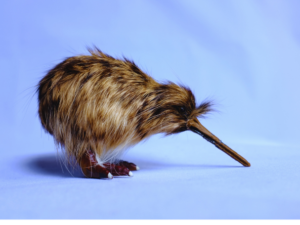
Note: Kiwi is masculine and invariable in the plural: los kiwi. The word comes from Maori and refers to both the bird and the fruit — Spanish uses the same word for both, just as English does. The kiwi bird is native to New Zealand, has hair-like feathers, and lays the largest egg relative to its body size of any bird. It’s also the national symbol of New Zealand.
Koala – Koala in Spanish (el)
El koala come eucalipto. (The koala eats eucalyptus.)
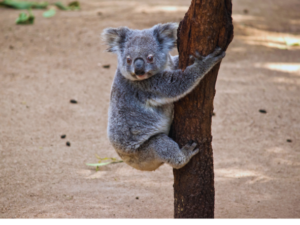
Note: Koala is masculine. The word comes from Dharug, an Aboriginal Australian language, and means “no drink” — koalas get almost all their water from eucalyptus leaves and rarely drink. Spanish borrowed the word through English. The RAE also accepts the spelling coala, but koala with K is far more common in practice and matches the page pattern.
Kril – Krill in Spanish (el)
El kril es un pequeño crustáceo del océano. (Krill is a small crustacean of the ocean.)
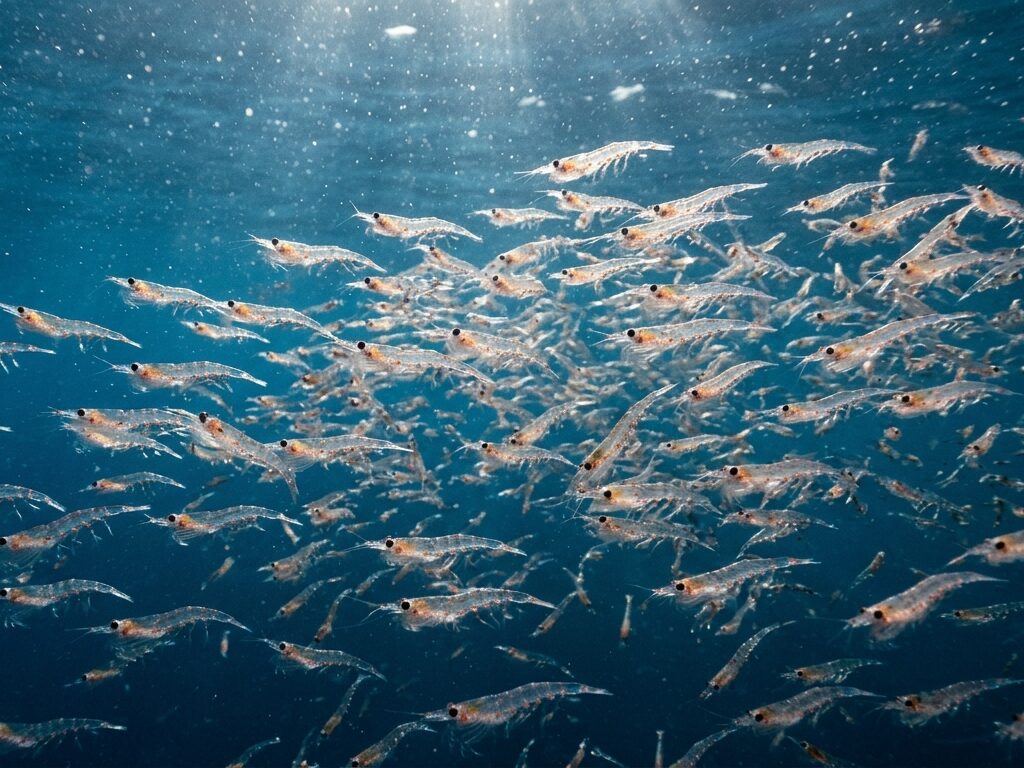
Note: Kril is masculine and invariable in the plural: el kril. The word comes from Norwegian kril, meaning “small fry,” and entered Spanish through scientific literature. Krill are tiny shrimp-like crustaceans that form the base of the ocean food chain — whales, penguins, and seals all depend on them. In Spanish, kril is the standard spelling, though krill with double L also appears in some texts.
🦜 K Animals in Spanish: Frequently Asked Questions
A: Spanish has very few animals starting with K. The most common are kiwi (kiwi), koala (koala), kakapó (kakapo), kagu (kagu), and kril (krill). See the full list of 5 above.
A: All five are masculine and take el. Because K is not a native Spanish letter, every K-animal is a loanword, and loanwords entering Spanish typically default to masculine gender unless they clearly refer to a female animal. Examples: el kiwi, el koala, el kakapó, el kagu, el kril.
A: Koala (masculine, el koala). Example: El koala come eucalipto. (The koala eats eucalyptus.) The RAE also accepts coala with a C, but koala with a K is far more common.
A: The letter K barely existed in Latin, which is why Spanish inherited almost no native words beginning with it. Every K-animal in Spanish is a loanword from another language: kiwi and kakapó from Maori, koala from an Aboriginal Australian language, kagu from a Melanesian language, and kril from Norwegian. That’s why this page has 5 entries instead of 10. Note that canguro (kangaroo) and cacatúa (cockatoo) start with C in standard Spanish, not K.
A: This page covers 5 animals that start with K in Spanish, from el kagu (kagu) to el kril (krill). K is the thinnest letter in the Spanish animal vocabulary, so this list is shorter than most.