Animals That Start With B in Spanish (With Meanings)
Spanish animals that start with B are a diverse group — from the deep ocean to the farmyard. You’ll find el bacalao (cod) and la ballena (whale) alongside el buey (ox) and el burro (donkey), plus some of the most striking birds in the Spanish-speaking world, like el búho (owl) and el buitre (vulture). This guide covers 10 animals that start with B in Spanish, from el bacalao (cod) to el burro (donkey). Each entry gives you the Spanish word, its English translation, its grammatical gender (el or la), and an example sentence so you can see it used naturally.
Whether you’re a beginner building core vocabulary or a teacher preparing a lesson, this list is designed to be scanned quickly and studied deeply. Use the Quick List below to review all ten at a glance, then read the detailed entries for context and usage.
📋 Quick List: B Animals in Spanish
- Bacalao — Cod (el)
- Bagre — Catfish (el)
- Ballena — Whale (la)
- Barracuda — Barracuda (la)
- Boa — Boa (la)
- Buey — Ox (el)
- Búfalo — Buffalo (el)
- Búho — Owl (el)
- Buitre — Vulture (el)
- Burro — Donkey (el)
Bacalao – Cod in Spanish (el)
El bacalao es un pez de aguas frías. (Cod is a fish found in cold waters.)
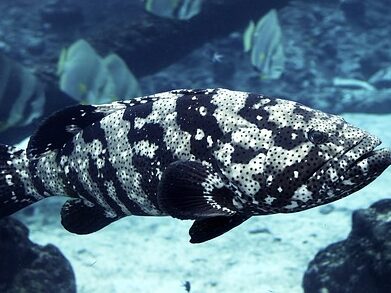
Note: Bacalao is masculine: el bacalao, los bacalaos. A very common food fish in Spain and Latin America — salted cod (bacalao salado) is a traditional ingredient in many regional dishes.
Bagre – Catfish in Spanish (el)
El bagre nada en aguas dulces. (The catfish swims in freshwater.)
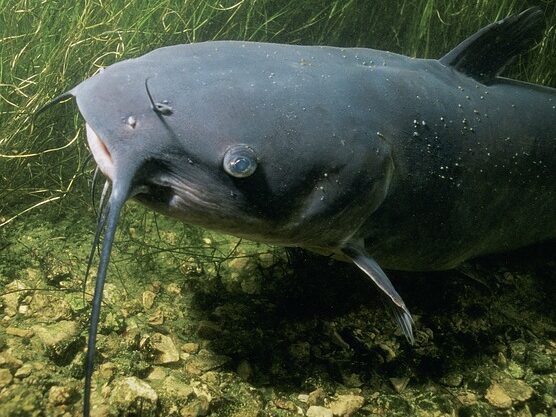
Note: Bagre is masculine: el bagre, los bagres. A common freshwater fish in Latin America. In some regions, bagre is also used informally to describe a person with a deep voice or a slow manner.
Ballena – Whale in Spanish (la)
La ballena es el mamífero más grande del océano. (The whale is the largest mammal in the ocean.)
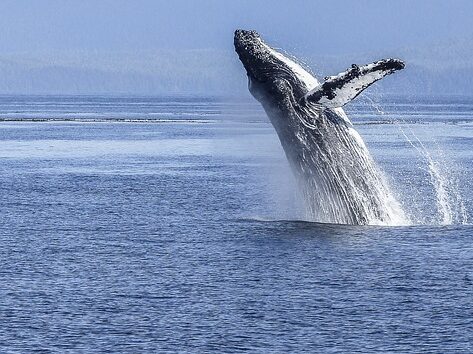
Note: Ballena is feminine: la ballena, las ballenas. The word is often associated with la ballena azul (blue whale), the largest animal on Earth.
Barracuda – Barracuda in Spanish (la)
La barracuda es un depredador ágil en aguas tropicales. (The barracuda is an agile predator in tropical waters.)
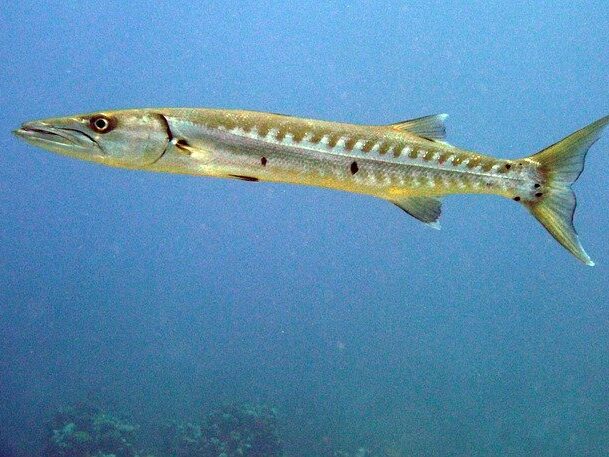
Note: Barracuda is feminine: la barracuda, las barracudas. The word is the same in Spanish and English. A fast, predatory fish found in warm seas — and the name of a famous American rock band.
Boa – Boa in Spanish (la)
La boa es una serpiente constrictora que vive en América. (The boa is a constrictor snake that lives in America.)
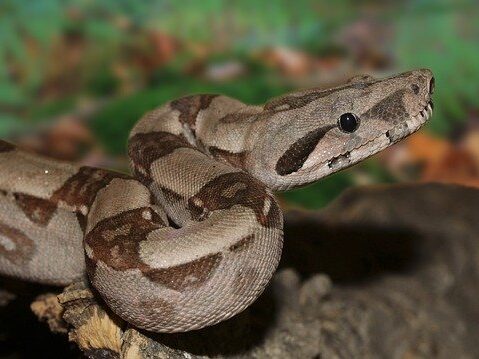
Note: Boa is feminine: la boa, las boas. The word is the same in Spanish and English. A large non-venomous snake that kills its prey by constriction. The most famous species is la boa constrictora.
Buey – Ox in Spanish (el)
El buey es un animal de carga fuerte. (The ox is a strong working animal.)
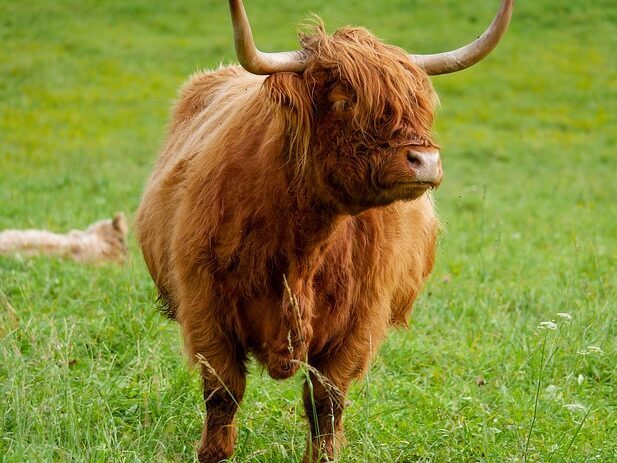
Note: Buey is masculine: el buey, los bueyes. The plural is irregular — it adds -es but changes the form to bueyes. A castrated adult bull used for heavy farm work. Common in rural Spain and Latin America.
Búfalo – Buffalo in Spanish (el)
El búfalo es un mamífero herbívoro de gran tamaño. (The buffalo is a large herbivorous mammal.)
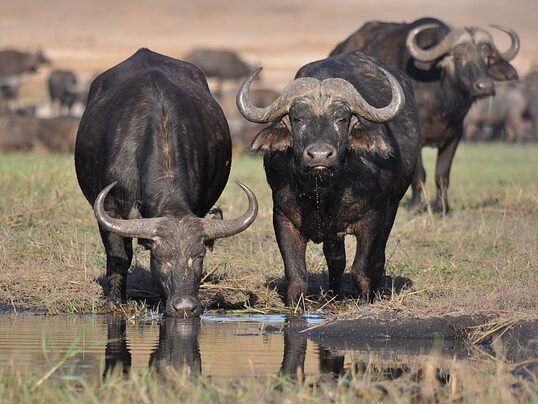
Note: Búfalo is masculine: el búfalo, los búfalos. In some regions, bisonte is used for the American bison specifically, while búfalo covers the African and Asian buffalo. The word looks similar to English but the accent falls on the first syllable: BÚ-fa-lo.
Búho – Owl in Spanish (el)
El búho es un ave nocturna que caza de noche. (The owl is a nocturnal bird that hunts at night.)
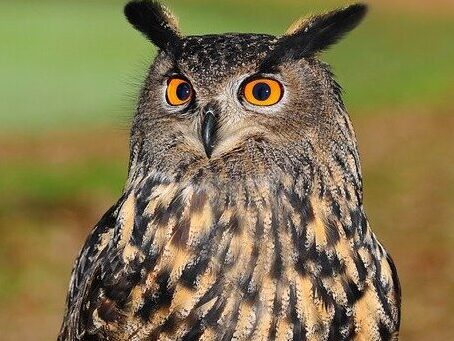
Note: Búho is masculine: el búho, los búhos. In Spanish, there’s a distinction: búho refers to owls with ear tufts (like the eagle owl), while lechuza refers to owls with round faces (like the barn owl). Both are commonly translated as “owl” in English.
Buitre – Vulture in Spanish (el)
El buitre se alimenta de carroña. (The vulture feeds on carrion.)
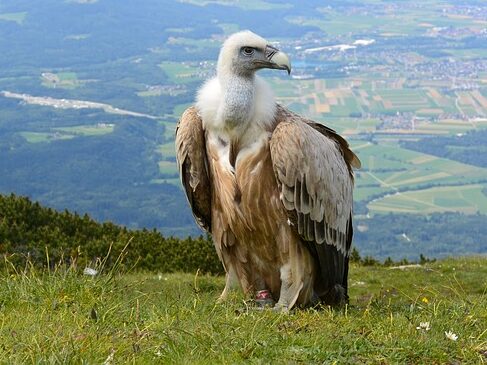
Note: Buitre is masculine: el buitre, los buitres. A large scavenging bird. In some regions, the word is also used informally to describe someone who exploits others — context matters.
Burro – Donkey in Spanish (el)
El burro es un animal de carga utilizado en algunas zonas rurales. (The donkey is a working animal used in some rural areas.)
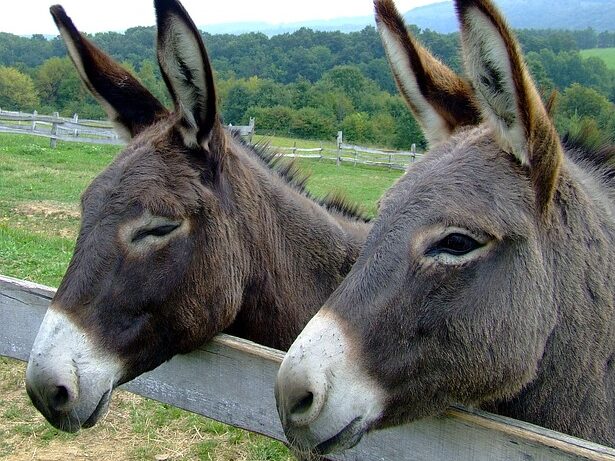
Note: Burro is masculine: el burro, los burros. The feminine is burra. A synonym is asno, which is more formal. Common in rural Spain and Latin America, and the subject of many idioms — like “no seas burro” (don’t be silly/stubborn).
🐗 B Animals in Spanish: Frequently Asked Questions
A: The most common animals that start with B in Spanish are la ballena (whale), el búho (owl), el burro (donkey), la boa (boa), and el buitre (vulture). See the full list of 10 above.
A: Both. Most B-animals ending in -o are masculine (el bacalao, el burro, el búho), and most ending in -a are feminine (la ballena, la boa, la barracuda). Watch for exceptions like el buey.
A: Whale is ballena (feminine: la ballena). La ballena es el mamífero más grande del océano — The whale is the largest mammal in the ocean.
A: Both mean “owl,” but they’re different species. Búho refers to owls with ear tufts (like the eagle owl). Lechuza refers to owls with round faces (like the barn owl). El búho is masculine; la lechuza is feminine.
A: This page covers 10 animals that start with B in Spanish, from bacalao (cod) to burro (donkey).


