21 Animals That Start With M in Spanish (With Meanings)
Spanish animals that start with M are a wonderfully mixed group. You’ll find sea creatures like el manatí (manatee) and la mantarraya (stingray) alongside everyday garden visitors like la mariposa (butterfly) and la mariquita (ladybug) — plus some of the most common animals in the Spanish-speaking world, like el mono (monkey) and el murciélago (bat).
This guide covers 21 animals that start with M in Spanish, from el manatí (manatee) to la musaraña (shrew). Each entry gives you the Spanish word, its English translation, its grammatical gender (el or la), and an example sentence so you can see it used naturally.
📋 Quick List: M Animals in Spanish
- Manatí — Manatee (el)
- Mandril — Mandrill (el)
- Mangosta — Mongoose (la)
- Mantarraya — Stingray (la)
- Mantis religiosa — Praying mantis (la)
- Mapache — Raccoon (el)
- Mariposa — Butterfly (la)
- Mariquita — Ladybug (la)
- Marmota — Marmot (la)
- Martín pescador — Kingfisher (el)
- Medusa — Jellyfish (la)
- Mejillón — Mussel (el)
- Milpiés — Millipede (el)
- Mirlo — Blackbird (el)
- Mono — Monkey (el)
- Morsa — Walrus (la)
- Mosca — Fly (la)
- Mosquito — Mosquito (el)
- Mula — Mule (la)
- Murciélago — Bat (el)
- Musaraña — Shrew (la)
Manatí – Manatee in Spanish (el)
El manatí nada tranquilamente en aguas cálidas. (The manatee swims peacefully in warm waters.)
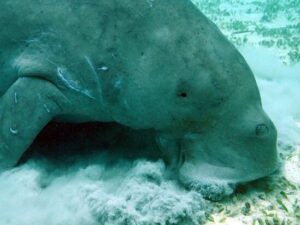
Note: Manatí is masculine: el manatí, los manatíes. The plural adds -es and keeps the accent on the í. A gentle marine mammal found in the Caribbean and parts of Latin America. The word comes from Taíno, an indigenous Caribbean language.
Mandril – Mandrill in Spanish (el)
El mandril juega con otros monos en la selva. (The mandrill plays with other monkeys in the jungle.)
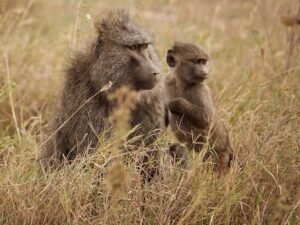
Note: Mandril is masculine: el mandril, los mandriles. A large African monkey known for its colorful face. In Spanish, mandril also means “chuck” (a tool), so context matters.
Mangosta – Mongoose in Spanish (la)
La mangosta busca insectos en la hierba. (The mongoose searches for insects in the grass.)
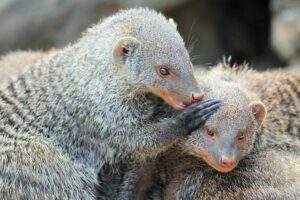
Note: Mangosta is feminine: la mangosta, las moscas. A small carnivorous mammal known for hunting snakes. Not native to the Americas — most common in Africa and southern Asia.
Mantarraya – Stingray in Spanish (la)
La mantarraya se desliza elegantemente por el océano. (The stingray glides gracefully through the ocean.)
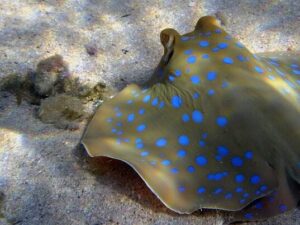
Note: Mantarraya is feminine: la mantarraya, las mantarrayas. Sometimes shortened to raya in everyday speech. The name literally means “blanket ray” — manta (blanket) + raya (ray).
Mantis religiosa – Praying mantis in Spanish (la)
La mantis religiosa espera pacientemente a su presa. (The praying mantis patiently waits for its prey.)
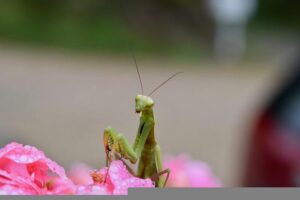
Note: Mantis religiosa is feminine: la mantis religiosa, las mantis religiosas. The name means “religious mantis” — a reference to its prayer-like pose. Mantis is invariable in the plural (las mantis, not las mantises).
Mapache – Raccoon in Spanish (el)
El mapache curiosea en la basura en busca de comida. (The raccoon rummages through the trash for food.)
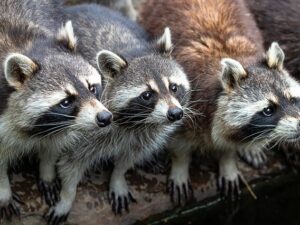
Note: Mapache is masculine: el mapache, los mapaches. The word comes from Nahuatl (the Aztec language), showing Spanish’s indigenous roots. A common animal in both North and Central America.
Mariposa – Butterfly in Spanish (la)
La mariposa revolotea alrededor de las flores. (The butterfly flutters around the flowers.)
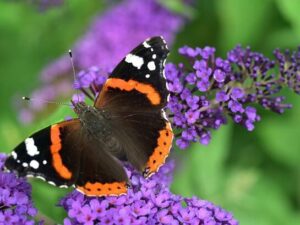
Note: Mariposa is feminine: la mariposa, las mariposas. One of the most common and beloved words in Spanish. Also used in expressions like “mariposa en el estómago” (butterflies in the stomach).
Mariquita – Ladybug in Spanish (la)
La mariquita tiene manchas rojas y negras en sus alas. (The ladybug has red and black spots on its wings.)
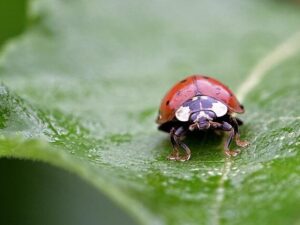
Note: Mariquita is feminine: la mariquita, las mariquitas. In some Latin American countries, it’s called catarina or chinita instead. A classic childhood word in Spanish.
Marmota – Marmot in Spanish (la)
La marmota se asoma fuera de su madriguera. (The marmot peeks out of its burrow.)
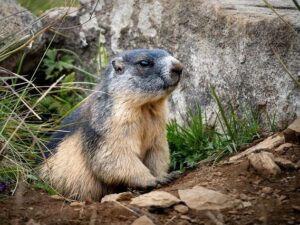
Note: Marmota is feminine: la marmota, las marmotas. In North America, marmota is also used for the groundhog. The verb “dormir como una marmota” (to sleep like a marmot) means to sleep very deeply.
Martín pescador – Kingfisher in Spanish (el)
El martín pescador se sumerge para atrapar peces en el río. (The kingfisher dives to catch fish in the river.)
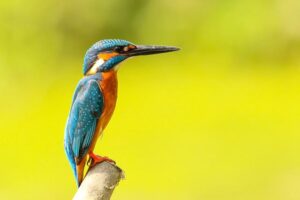
Note: Compound noun: Martín (a name) + pescador (fisher). Gender follows the first noun: el martín pescador. Plural: los martines pescadores. A small, colorful bird found near rivers and lakes worldwide.
Medusa – Jellyfish in Spanish (la)
La medusa flota en el agua con sus tentáculos. (The jellyfish floats in the water with its tentacles.)
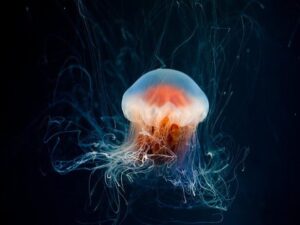
Note: Medusa is feminine: la medusa, las medusas. In Greek mythology, Medusa was a monster with snakes for hair — the jellyfish’s tentacles reminded people of her. In some regions, the word aguamala (“bad water”) is used instead.
Mejillón – Mussel in Spanish (el)
El mejillón se adhiere a las rocas en la costa. (The mussel attaches itself to rocks along the coast.)
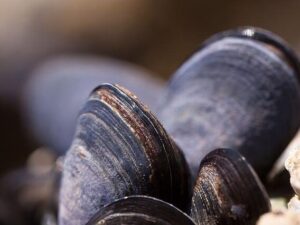
Note: Mejillón is masculine: el mejillón, los mejillones. A common seafood word in Spain and Latin America. The plural adds -es.
Milpiés – Millipede in Spanish (el)
El milpiés se desplaza lentamente por el suelo del bosque. (The millipede moves slowly across the forest floor.)
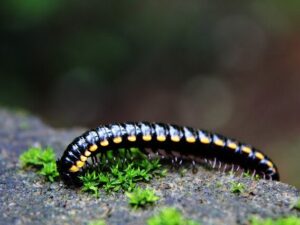
Note: Milpiés is masculine: el milpiés, los milpiés. The plural is invariable (no change). The name literally means “thousand feet” — mil (thousand) + pies (feet). Not to be confused with ciempiés (centipede).
Mirlo – Blackbird in Spanish (el)
El mirlo canta melodías hermosas al amanecer. (The blackbird sings beautiful melodies at dawn.)
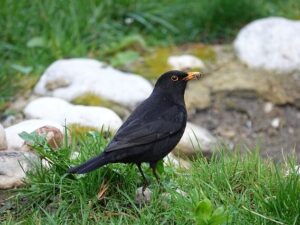
Note: Mirlo is masculine: el mirlo, los mirlos. A common songbird in Spain and Europe. The idiom “ser un mirlo blanco” (to be a white blackbird) means someone or something is a rare exception.
Mono – Monkey in Spanish (el)
El mono se columpia de rama en rama en la selva. (The monkey swings from branch to branch in the jungle.)
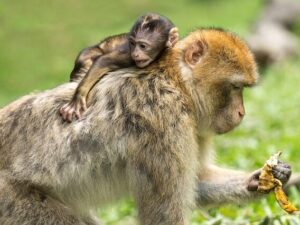
Note: Mono is masculine: el mono, los monos. The feminine mona exists but is rarely used. In some regions, mono also means “overalls” (mono de trabajo) — context matters.
Morsa – Walrus in Spanish (la)
La morsa descansa en un iceberg en el Ártico. (The walrus rests on an iceberg in the Arctic.)
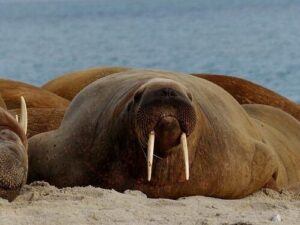
Note: Morsa is feminine: la morsa, las morsas. A large Arctic marine mammal. Not to be confused with morso (a type of clamp).
Mosca – Fly in Spanish (la)
La mosca zumba alrededor de la fruta madura. (The fly buzzes around the ripe fruit.)
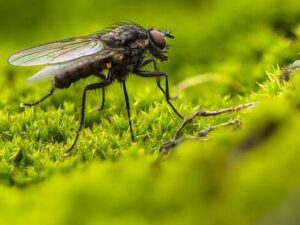
Note: Mosca is feminine: la mosca, las moscas. A very common insect word. The idiom “estar mosca” (to be a fly) means to be alert or suspicious. “Por si las moscas” means “just in case.”
Mosquito – Mosquito in Spanish (el)
El mosquito zumbando molesta mientras intento dormir. (The mosquito buzzing is annoying as I try to sleep.)
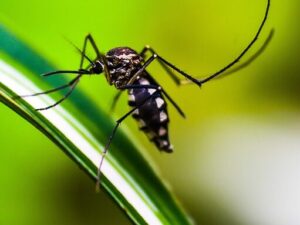
Note: Mosquito is masculine: el mosquito, los mosquitos. In some Latin American countries, zancudo is used instead. The word is the same in Spanish and English.
Mula – Mule in Spanish (la)
La mula trabaja arduamente en el campo. (The mule works hard in the field.)
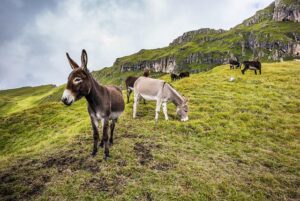
Note: Mula is feminine: la mula, las mulas. The male form is mulo. In Spanish, “ser una mula” (to be a mule) means to be stubborn. A common farm animal in rural Spain and Latin America.
Murciélago – Bat in Spanish (el)
El murciélago vuela velozmente en la noche en busca de insectos. (The bat flies swiftly at night in search of insects.)
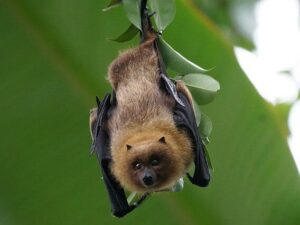
Note: Murciélago is masculine: el murciélago, los murciélagos. Famously, this word contains all five Spanish vowels (u-e-á-o). A common night animal in Spanish-speaking countries.
Musaraña – Shrew in Spanish (la)
La musaraña se desplaza rápidamente en busca de insectos para comer. (The shrew moves quickly in search of insects to eat.)
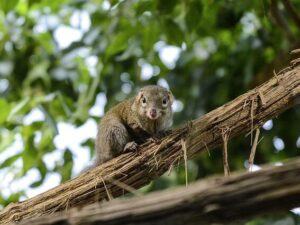
Note: Musaraña is feminine: la musaraña, las musarañas. A small, insect-eating mammal. The expression “pensar en las musarañas” (to think about shrews) means to be daydreaming or distracted.
🐗 M Animals in Spanish: Frequently Asked Questions
A: The most common animals that start with M in Spanish are el mono (monkey), la mariposa (butterfly), el murciélago (bat), la mosca (fly), and el mapache (raccoon). See the full list of 21 above.
A: Both. Most M-animals ending in -o are masculine (el mono, el mirlo, el mosquito), and most ending in -a are feminine (la mariposa, la mosca, la mula). Watch for exceptions like el manatí and el mapache.
A: Monkey is mono (masculine: el mono). El mono se columpia de rama en rama — The monkey swings from branch to branch. The same word also means “overalls” in some regions.
A: Yes — murciélago (bat) contains all five Spanish vowels: u, e, i, á, o. It’s one of the few common Spanish words that does. It’s also masculine: el murciélago.
A: This page covers 21 animals that start with M in Spanish, from manatí (manatee) to musaraña (shrew).