Animal Names in Spanish Starting With T
Spanish animals that start with T are a surprisingly strong group. You’ll find ocean predators like el tiburón (shark) and la trucha (trout), jungle cats like el tigre (tiger), farm animals like el toro (bull) and el ternero (calf), and the two different Spanish words for turtles — la tortuga de mar (sea turtle) and la tortuga de tierra (tortoise). This guide covers 13 animals that start with T in Spanish, from el tapir (tapir) to el tucán (toucan). Each entry gives you the Spanish word, its English translation, its grammatical gender (el or la), and an example sentence so you can see it used naturally.
Whether you’re a beginner building core vocabulary or a teacher preparing a lesson, this list is designed to be scanned quickly and studied deeply. Use the Quick List below to review all thirteen at a glance, then read the detailed entries for context and usage.
📋 Quick List: T Animals in Spanish
- Tapir — Tapir (el)
- Tejón — Badger (el)
- Termita — Termite (la)
- Ternero — Calf (el)
- Tiburón — Shark (el)
- Tigre — Tiger (el)
- Topo — Mole (el)
- Toro — Bull (el)
- Tortuga de mar — Sea turtle (la)
- Tortuga de tierra — Tortoise (la)
- Tritón — Newt (el)
- Trucha — Trout (la)
- Tucán — Toucan (el)
Tapir – Tapir in Spanish (el)
El tapir se encuentra en la selva tropical. (The tapir is found in the rainforest.)
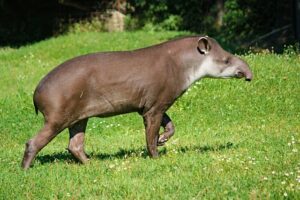
Note: Tapir is masculine: el tapir, los tapires. A large hoofed mammal with a short, prehensile snout, native to Central and South America and Southeast Asia. In some Latin American regions, it’s called danta (feminine) instead — both words are correct.
Tejón – Badger in Spanish (el)
El tejón excava madrigueras en el suelo. (The badger digs burrows in the ground.)

Note: Tejón is masculine: el tejón, los tejones. The plural adds -es and keeps the accent on the ó. A burrowing mammal in the weasel family. Common in Spain and across Europe.
Termita – Termite in Spanish (la)
La termita se alimenta de madera. (The termite feeds on wood.)
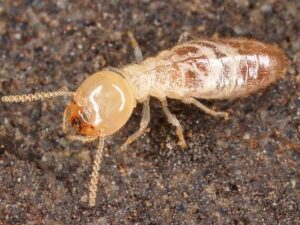
Note: Termita is feminine: la termita, las termitas. A social insect that feeds on wood — notorious for damaging buildings. Often confused with hormigas (ants) in English, but they’re biologically distinct. In some regions, comején is the more common word.
Ternero – Calf in Spanish (el)
El ternero juega en el prado. (The calf plays in the meadow.)
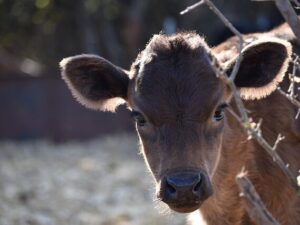
Note: Ternero is masculine: el ternero, los terneros. A young cow or bull. The feminine is ternera, which also means “veal” in culinary contexts. A very common word in rural and farming vocabulary.
Tiburón – Shark in Spanish (el)
El tiburón nada en aguas profundas. (The shark swims in deep waters.)

Note: Tiburón is masculine: el tiburón, los tiburones. Apex predator of the oceans. The plural adds -es and keeps the accent on the ó. The word appears in the title of many Spanish films and novels.
Tigre – Tiger in Spanish (el)
El tigre acecha a su presa en la jungla. (The tiger stalks its prey in the jungle.)

Note: Tigre is masculine: el tigre, los tigres. The feminine tigresa means “tigress.” Native to Asia. In some Latin American regions, tigre is also used informally for the jaguar. A common animal in Spanish literature and proverbs.
Topo – Mole in Spanish (el)
El topo excava túneles bajo tierra. (The mole digs tunnels underground.)
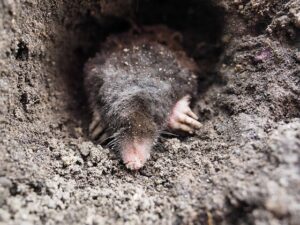
Note: Topo is masculine: el topo, los topos. A small burrowing mammal that lives underground. The idiom “no ver ni un topo” (not to see a single mole) means to be unable to see anything. Also used figuratively for “spy” or “mole” in the intelligence sense.
Toro – Bull in Spanish (el)
El toro pasta en el campo. (The bull grazes in the field.)
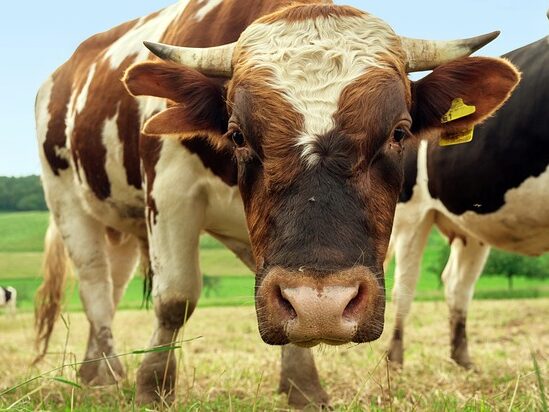
Note: Toro is masculine: el toro, los toros. The feminine is vaca (cow). A culturally loaded word in Spain due to bullfighting (los toros). Also used in expressions like “estar como un toro” (to be strong as a bull). One of the most iconic Spanish animal words.
Tortuga de mar – Sea Turtle in Spanish (la)
La tortuga de mar nada en el océano. (The sea turtle swims in the ocean.)

Note: Compound noun: tortuga (turtle) + de mar (of the sea). Gender follows the first noun: la tortuga de mar. Plural: las tortugas de mar. Found in warm oceans worldwide. Many species are endangered.
Tortuga de tierra – Tortoise in Spanish (la)
La tortuga de tierra se mueve lentamente. (The tortoise moves slowly.)
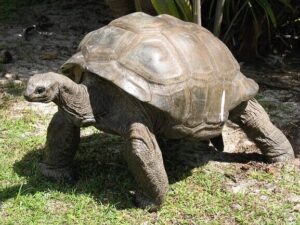
Note: Compound noun: tortuga (turtle) + de tierra (of the land). Gender follows the first noun: la tortuga de tierra. Plural: las tortugas de tierra. A land-dwelling reptile, distinct from its sea-going cousin. Note that Spanish uses tortuga for both, with the qualifier distinguishing them.
Tritón – Newt in Spanish (el)
El tritón vive en ambientes acuáticos. (The newt lives in aquatic environments.)
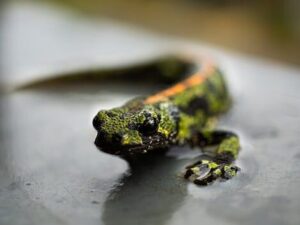
Note: Tritón is masculine: el tritón, los tritones. The plural adds -es and keeps the accent on the ó. A small amphibian similar to a salamander but with a distinct aquatic lifestyle. The English “newt” is the common translation — “triton” is only used in scientific contexts.
Trucha – Trout in Spanish (la)
La trucha nada en aguas frescas. (The trout swims in fresh water.)

Note: Trucha is feminine: la trucha, las truchas. A freshwater fish common in rivers and streams. In some Latin American countries, “trucha” is also used informally to mean “clever” or “shrewd.” A popular food fish in Spanish cuisine.
Tucán – Toucan in Spanish (el)
El tucán tiene un pico colorido. (The toucan has a colorful beak.)
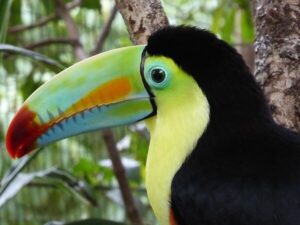
Note: Tucán is masculine: el tucán, los tucanes. The plural adds -es and keeps the accent on the á. A tropical bird native to Central and South America, famous for its oversized, brightly colored bill. The word comes from Tupi, an indigenous Brazilian language.
🐗 T Animals in Spanish: Frequently Asked Questions
A: The most common animals that start with T in Spanish are el tigre (tiger), el tiburón (shark), el toro (bull), la tortuga (turtle), and la trucha (trout). See the full list of 13 above.
A: Both. Most T-animals ending in -o are masculine (el toro, el topo, el tucán), and most ending in -a are feminine (la trucha, la termita, la tortuga). Watch for exceptions like el tiburón and el tapir.
A: Tiger is tigre (masculine: el tigre). El tigre acecha a su presa en la jungla — The tiger stalks its prey in the jungle. The feminine is tigresa (tigress).
A: Tortuga de mar means sea turtle — it lives in the ocean. Tortuga de tierra means tortoise — it lives on land. Spanish uses the same base word (tortuga) with a qualifier (de mar or de tierra) to distinguish them, unlike English which has separate words.
A: This page covers 13 animals that start with T in Spanish, from tapir (tapir) to tucán (toucan).