Animal Names Starting With L in Spanish
Spanish animals that start with L include some of the most iconic words in the language — el león (lion), el lobo (wolf), and el leopardo (leopard) are all here. But the letter also gives you everyday nature vocabulary: la lagartija (lizard) on a garden wall, la libélula (dragonfly) over a pond, and la luciérnaga (firefly) lighting up a summer night.
This guide covers 13 animals that start with L in Spanish, from la lagartija (lizard) to la luciérnaga (firefly). Each entry gives you the Spanish word, its English translation, its grammatical gender (el or la), and an example sentence so you can see it used naturally. Whether you’re a beginner building core vocabulary or a teacher preparing a lesson, this list is designed to be scanned quickly and studied deeply. Use the Quick List below to review all thirteen at a glance, then read the detailed entries for context and usage.
📋 Quick List: L Animals in Spanish
- Lagartija — Lizard (la)
- Langosta — Lobster (la)
- León — Lion (el)
- León marino — Sea lion (el)
- Leopardo — Leopard (el)
- Libélula — Dragonfly (la)
- Liebre — Hare (la)
- Lince — Lynx (el)
- Llama — Llama (la)
- Lobo — Wolf (el)
- Lombriz — Earthworm (la)
- Loro — Parrot (el)
- Luciérnaga — Firefly (la)
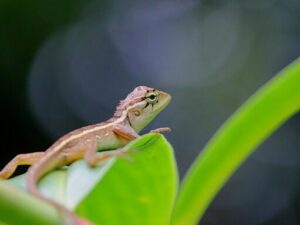
Lagartija – Lizard in Spanish (la)
La lagartija se camufla entre las rocas. (The lizard camouflages itself among the rocks.)
Note: Lagartija is feminine: la lagartija, las lagartijas. Refers to small lizards specifically. A larger lizard is called lagarto (masculine). Very common in gardens and rocky areas across Spain and Latin America.
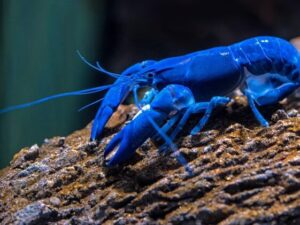
Langosta – Lobster in Spanish (la)
La langosta es un marisco delicioso. (The lobster is a delicious seafood.)
Note: Langosta is feminine: la langosta, las langostas. A luxury seafood in Spanish cuisine. Also means “locust” (the insect) — context determines which. Not to be confused with langostino (prawn).
León – Lion in Spanish (el)
El león es el rey de la selva. (The lion is the king of the jungle.)
Note: León is masculine: el león, los leones. The plural drops the accent: leones. The expression “el rey de la selva” (king of the jungle) is a common cultural reference. Also the name of a Spanish city and province.

León Marino – Sea lion in Spanish (el)
El león marino descansa en la playa. (The sea lion rests on the beach.)
Note: Compound noun: león (lion) + marino (marine). Gender follows the first noun: el león marino. Plural: los leones marinos. Not to be confused with la foca (seal).

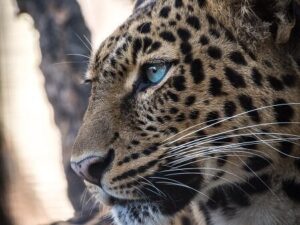
Leopardo – Leopard in Spanish (el)
El leopardo tiene un pelaje manchado. (The leopard has spotted fur.)
Note: Leopardo is masculine: el leopardo, los leopardos. A large spotted cat native to Africa and Asia. The word is the same in Spanish and English.
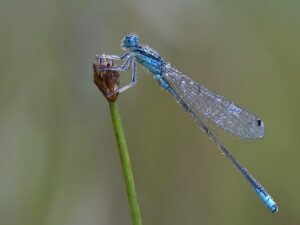
Libélula – Dragonfly in Spanish (la)
La libélula revolotea cerca del estanque. (The dragonfly flutters near the pond.)
Note: Libélula is feminine: la libélula, las libélulas. A common insect near water. In some regions, it’s also called caballito del diablo (little devil’s horse) — a folk name that reflects its darting flight.
Liebre – Hare in Spanish (la)
La liebre corre velozmente por el campo. (The hare runs swiftly through the field.)
Note: Liebre is feminine: la liebre, las liebres. A hare — larger and faster than a rabbit (conejo). The idiom “levantar la liebre” (to raise the hare) means to reveal a secret or start something.

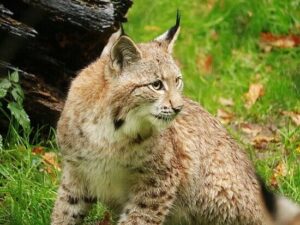
Lince – Lynx in Spanish (el)
El lince es un felino de aspecto majestuoso. (The lynx is a majestic-looking feline.)
Note: Lince is masculine: el lince, los linces. The Iberian lynx (lince ibérico) is one of the world’s most endangered wild cats — and a symbol of Spanish conservation efforts. The idiom “ser un lince” means to be very sharp or clever.
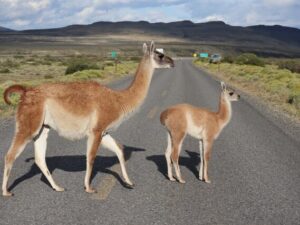
Llama – Llama in Spanish (la)
La llama es un animal doméstico en algunas regiones. (The llama is a domesticated animal in some regions.)
Note: Llama is feminine: la llama, las llamas. A South American camelid, common in Peru, Bolivia, and Argentina. Note: llama is also the word for “flame” and a form of the verb llamar (to call) — but those are unrelated. Pronounced “YA-ma” (the double L sounds like Y in most regions).
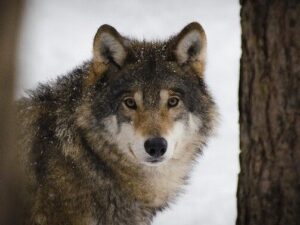
Lobo – Wolf in Spanish (el)
El lobo aúlla en la noche. (The wolf howls at night.)
Note: Lobo is masculine: el lobo, los lobos. The feminine is loba. The idiom “lobo con piel de cordero” (wolf in sheep’s clothing) exists in Spanish just like in English. “Lobo marino” means sea wolf (a type of seal).
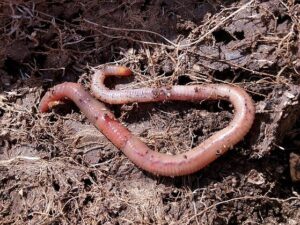
Lombriz – Earthworm in Spanish (la)
La lombriz ayuda a mantener la tierra fértil. (The earthworm helps keep the soil fertile.)
Note: Lombriz is feminine: la lombriz, las lombrices. The plural adds -es and changes the z to c. A key word in gardening and farming vocabulary. The idiom “lombriz de tierra” is sometimes used to be more specific, though lombriz alone is usually understood.
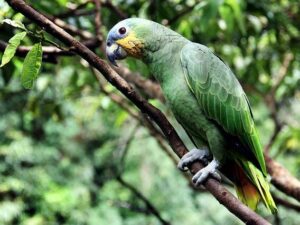
Loro – Parrot in Spanish (el)
El loro imita diferentes sonidos y palabras. (The parrot imitates different sounds and words.)
Note: Loro is masculine: el loro, los loros. A synonym is papagayo, though the two species differ slightly — loros have shorter tails, papagayos have longer ones. In Spain, “loro” is also used informally to mean “chatty person.”
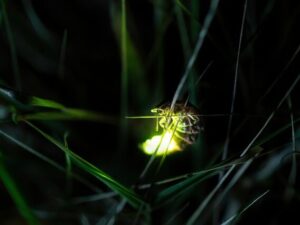
Luciérnaga – Firefly in Spanish (la)
La luciérnaga ilumina la noche con su luz intermitente. (The firefly lights up the night with its intermittent glow.)
Note: Luciérnaga is feminine: la luciérnaga, las luciérnagas. A bioluminescent beetle. The name literally means “firefly light” — from luz (light) + naga (an old word). Common in Spanish summer nights and a favorite in poetry.
🐗 L Animals in Spanish: Frequently Asked Questions
A: The most common animals that start with L in Spanish are el león (lion), el lobo (wolf), el leopardo (leopard), la lagartija (lizard), and la libélula (dragonfly). See the full list of 13 above.
A: Both. Most L-animals ending in -o are masculine (el lobo, el loro, el leopardo), and most ending in -a are feminine (la llama, la liebre, la lombriz). Watch for exceptions like el león and el lince.
A: Lion is león (masculine: el león). El león es el rey de la selva — The lion is the king of the jungle. The plural is leones (the accent drops).
A: Both are small mammals, but different species. Liebre is a hare — larger, faster, with longer ears and legs. Conejo is a rabbit — smaller, with shorter ears, and lives in burrows. La liebre is feminine; el conejo is masculine.
A: This page covers 13 animals that start with L in Spanish, from lagartija (lizard) to luciérnaga (firefly).