Animal Names in Spanish Starting With S
Spanish animals that start with S are one of the richest groups in the language — from la serpiente (snake) and el sapo (toad) to el salmón (salmon) swimming upstream and el sinsonte (mockingbird) mimicking dozens of other birds. You’ll also find some words that carry cultural weight, like la sepia (cuttlefish) on Spanish menus and el suricato (meerkat), a favorite in nature documentaries.
This guide covers 10 animals that start with S in Spanish, from la salamandra (salamander) to el suricato (meerkat). Each entry gives you the Spanish word, its English translation, its grammatical gender (el or la), and an example sentence so you can see it used naturally.
📋 Quick List: S Animals in Spanish
- Salamandra — Salamander (la)
- Salmón — Salmon (el)
- Saltamontes — Grasshopper (el)
- Sanguijuela — Leech (la)
- Sapo — Toad (el)
- Sardina — Sardine (la)
- Sepia — Cuttlefish (la)
- Serpiente — Snake (la)
- Sinsonte — Mockingbird (el)
- Suricato — Meerkat (el)
Salamandra – Salamander in Spanish (la)
La salamandra es un anfibio que a menudo se confunde con un lagarto. (The salamander is an amphibian that is often mistaken for a lizard.)

Note: Salamandra is feminine: la salamandra, las salamandras. An amphibian, not a reptile — a common point of confusion with lizards. Salamanders are often brightly colored, especially the fire salamander (salamandra común) found in Spain.
Salmón – Salmon in Spanish (el)
El salmón nada contra la corriente para poner sus huevos. (The salmon swims upstream to lay its eggs.)

Note: Salmón is masculine: el salmón, los salmones. The plural adds -es and keeps the accent on the ó. A well-known migratory fish. In Spain, salmón is a common food fish, especially in the north (Asturias, Galicia).
Saltamontes – Grasshopper in Spanish (el)
El saltamontes salta entre las plantas del jardín. (The grasshopper jumps between the plants in the garden.)

Note: Saltamontes is masculine: el saltamontes, los saltamontes. Plural is invariable. The name literally means “mount-jumper” — saltar (to jump) + montes (mountains). A grasshopper or locust. Common in fields and gardens.
Sanguijuela – Leech in Spanish (la)
Antes se usaban sanguijuelas para tratamientos médicos. (Leeches were once used for medical treatments.)

Note: Sanguijuela is feminine: la sanguijuela, las sanguijuelas. A leech — a blood-sucking worm. Historically used in medicine (bloodletting), now making a comeback in modern surgery. The word is also used figuratively for a person who exploits others.
Sapo – Toad in Spanish (el)
El sapo vive en lugares húmedos y cerca del agua. (The toad lives in damp places near water.)

Note: Sapo is masculine: el sapo, los sapos. A toad — different from a frog (rana). In Spanish, “sapo” is also used informally for a sneaky person. Common in children’s stories and fables, often as a cursed prince.
Sardina – Sardine in Spanish (la)
Compré una lata de sardinas para hacer una ensalada. (I bought a can of sardines to make a salad.)

Note: Sardina is feminine: la sardina, las sardinas. A sardine — a small oily fish, very common in Spanish cuisine. In southern Spain, grilled sardines (sardinas a la plancha) are a beachside tradition.
Sepia – Cuttlefish in Spanish (la)
La sepia puede cambiar de color y textura para camuflarse. (The cuttlefish can change its color and texture to camouflage.)

Note: Sepia is feminine: la sepia, las sepias. A cuttlefish — a marine animal related to squid and octopus. The same word is used in English for the brown pigment derived from its ink. On Spanish menus, sepia is a popular seafood, especially in Valencia and Andalusia.
Serpiente – Snake in Spanish (la)
La serpiente de cascabel agita su cola como advertencia. (The rattlesnake shakes its tail as a warning.)
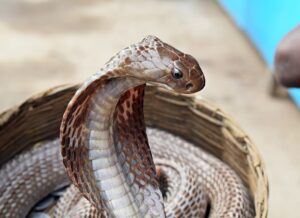
Note: Serpiente is feminine: la serpiente, las serpientes. A snake. Also called culebra for smaller, non-venomous species, and víbora for vipers. A common symbol in Spanish folklore and religious imagery.
Sinsonte – Mockingbird in Spanish (el)
El sinsonte puede imitar el canto de docenas de otras aves. (The mockingbird can mimic the songs of dozens of other birds.)
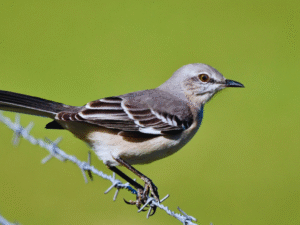
Note: Sinsonte is masculine: el sinsonte, los sinsontes. A mockingbird — famous for mimicking other birds and even mechanical sounds. Native to the Americas. The word comes from Nahuatl (the Aztec language), showing Spanish’s indigenous roots.
Suricato – Meerkat in Spanish (el)
La familia de suricatos tomaba el sol frente a su madriguera. (The family of meerkats was sunbathing in front of their burrow.)
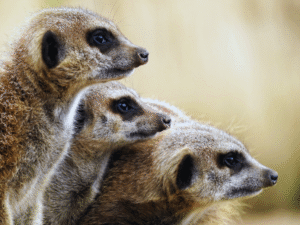
Note: Suricato is masculine: el suricato, los suricatos. A meerkat — a small mongoose native to southern Africa. Famous for standing on hind legs to scan for predators. In Spanish, the word is also sometimes written suricata (feminine) in older texts, but suricato is standard.
🐗 S Animals in Spanish: Frequently Asked Questions
A: The most common animals that start with S in Spanish are la serpiente (snake), el sapo (toad), el salmón (salmon), la sardina (sardine), and la salamandra (salamander). See the full list of 10 above.
A: Both. Most S-animals ending in -o are masculine (el sapo, el suricato, el salmón), and most ending in -a are feminine (la sardina, la sepia, la salamandra). Watch for la serpiente and la sanguijuela — feminine despite the -e and -a.
A: Snake is serpiente (feminine: la serpiente). La serpiente de cascabel agita su cola como advertencia — The rattlesnake shakes its tail as a warning. Smaller snakes are also called culebra; vipers are víbora.
A: Sapo is a toad — drier skin, lives on land, masculine. Rana is a frog — smoother skin, lives near water, feminine. Same distinction as in English, different words. El sapo and la rana.
A: This page covers 10 animals that start with S in Spanish, from salamandra (salamander) to suricato (meerkat).