Animal Names in Spanish Starting with V
The letter V is one of the thinner corners of Spanish animal vocabulary — but what it lacks in quantity, it makes up for in range. This guide covers 10 animals that start with V in Spanish, from la vaca (cow) to la vizcacha (vizcacha), a rodent found only in the high Andes. Along the way you’ll meet a bird so fast it gave Spanish its word for “swift,” a camelid whose wool was once reserved for Inca royalty, and a snake whose Spanish name contains a musical instrument.
Every entry gives you the Spanish word, its article, the English translation, a natural example sentence with its English meaning, and a short note on the grammar or culture behind it. Several of these are compound words — vaca marina (manatee, literally “sea cow”) and víbora de cascabel (rattlesnake, literally “jingle-bell viper”) — which makes V a useful letter for learning how Spanish builds new animal names from existing ones.
📋 Quick List: V Animals in Spanish
- Vaca — Cow (la)
- Vaca marina — Manatee (la)
- Venado — Deer (el)
- Vencejo — Swift (el)
- Verraco — Boar (el)
- Víbora — Viper (la)
- Víbora de cascabel — Rattlesnake (la)
- Vicuña — Vicuña (la)
- Visón — Mink (el)
- Vizcacha — Vizcacha (la)
Vaca – Cow in Spanish (la)
La vaca da leche. (The cow gives milk.)
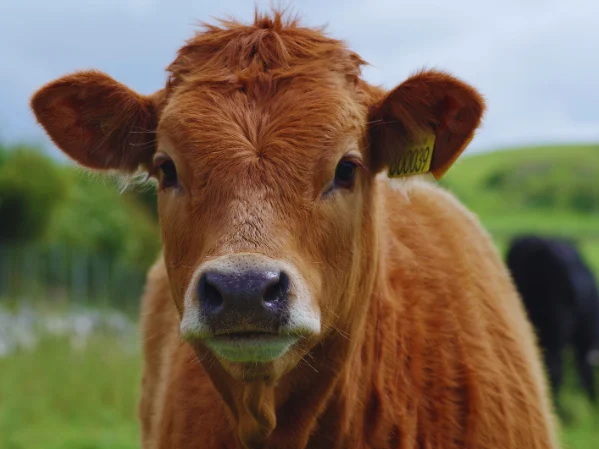
Note: Vaca is feminine and takes la. It comes from Latin vacca, the same root that gives English vaccine — Edward Jenner’s smallpox vaccine was derived from cowpox, hence vaccine from vacca. In Spain, vaca also appears in the idiom vacas flacas (lean cows), meaning a period of financial hardship, borrowed from the biblical story of Pharaoh’s dream.
Vaca marina – Manatee in Spanish (la)
La vaca marina nada lentamente por el agua. (The manatee swims slowly through the water.)
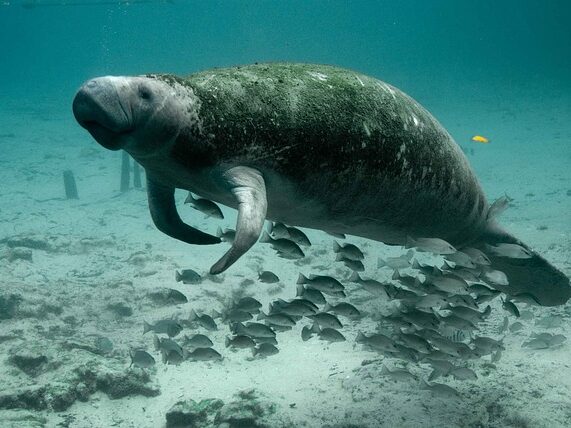
Note: Vaca marina is feminine and literally means “sea cow” — the same image English uses. It’s a compound noun: vaca (cow) + marina (marine). Manatees are found in the Caribbean and along the coasts of Florida and Latin America, and the Spanish name reflects the animal’s slow, grazing behavior.
Venado – Deer in Spanish (el)
El venado corre rápidamente por el bosque. (The deer runs quickly through the forest.)
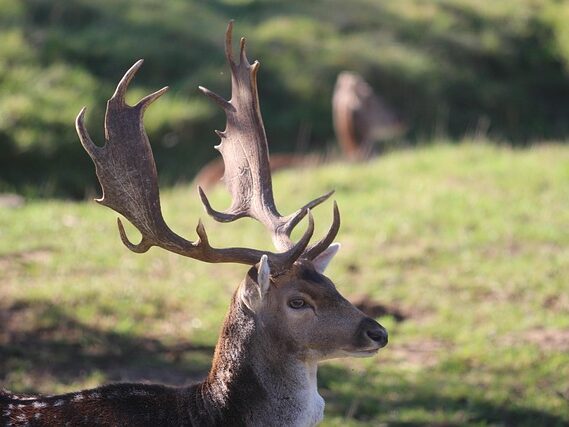
Note: Venado is masculine. It comes from Latin venatus (hunted), from venari (to hunt) — the same root that gives Spanish veneno (poison, originally “hunting potion”) and English venison. In much of Latin America, venado is the standard word for deer; in Spain, ciervo is more common.
Vencejo – Swift in Spanish (el)
El vencejo vuela velozmente sobre las casas. (The swift flies swiftly over the houses.)
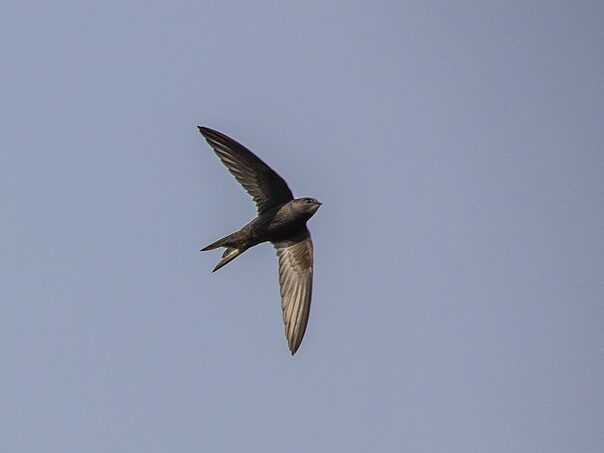
Note: Vencejo is masculine. The swift is a small, fast-flying bird that spends almost its entire life in the air — it even sleeps while flying. The Spanish name is unrelated to vencer (to overcome), though the resemblance is a common false association for learners. Swifts are common in Spanish cities, where they nest under roof tiles.
Verraco – Boar in Spanish (el)
El verraco es un jabalí macho. (The verraco is a male wild boar.)
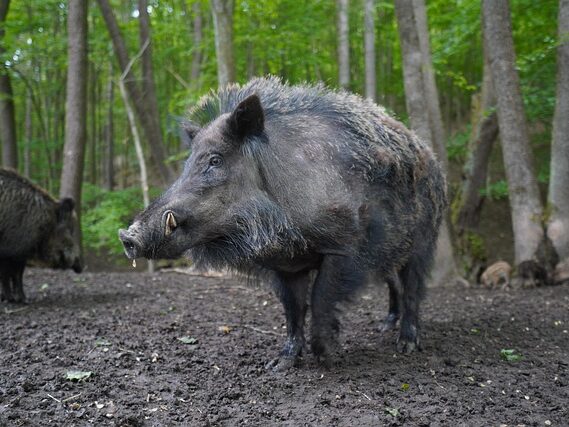
Note: Verraco is masculine. It specifically refers to a male wild boar or a breeding boar, from Latin verres. In some regions of Spain, verraco is also used colloquially for a strong, stocky person. The related word jabalí is the more general term for wild boar in modern Spanish.
Víbora – Viper in Spanish (la)
La víbora es venenosa. (The viper is venomous.)
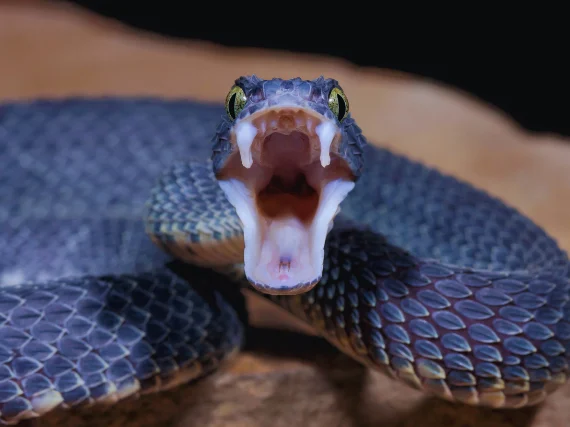
Note: Víbora is feminine. It comes from Latin vipera, which is also the source of English viper. In Spanish, víbora is used both for actual vipers and, figuratively, for a spiteful or treacherous person — es una víbora is a common insult. The word is distinct from serpiente (snake) and culebra (grass snake).
Víbora de cascabel – Rattlesnake in Spanish (la)
La víbora de cascabel hace sonar su cola. (The rattlesnake makes its tail rattle.)
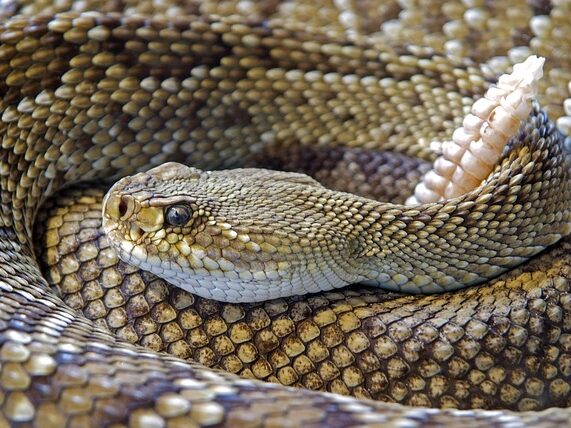
Note: Víbora de cascabel is feminine and literally means “jingle-bell viper.” Cascabel (jingle bell) refers to the rattle at the end of the snake’s tail. This is a compound noun built from an existing animal name — a pattern Spanish uses often, similar to vaca marina above. In Mexico, the rattlesnake is also called serpiente de cascabel.
Vicuña – Vicuña in Spanish (la)
La vicuña vive en las montañas de los Andes. (The vicuña lives in the mountains of the Andes.)
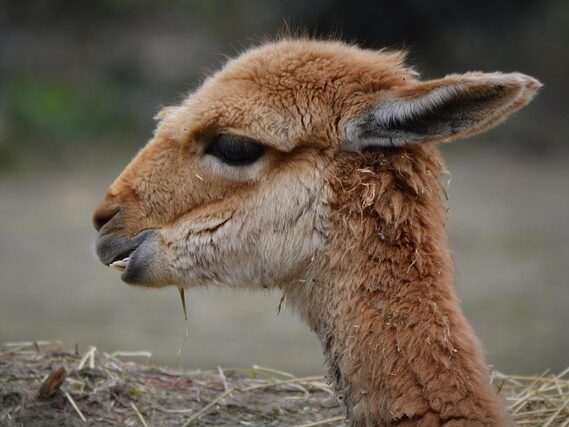
Note: Vicuña is feminine. The word comes from Quechua wik’uña and entered Spanish through the Andes. The vicuña is a wild South American camelid, smaller than the llama and alpaca, and its wool is among the most expensive in the world. During the Inca Empire, only royalty were allowed to wear vicuña wool.
Visón – Mink in Spanish (el)
El visón tiene piel valiosa. (The mink has valuable fur.)
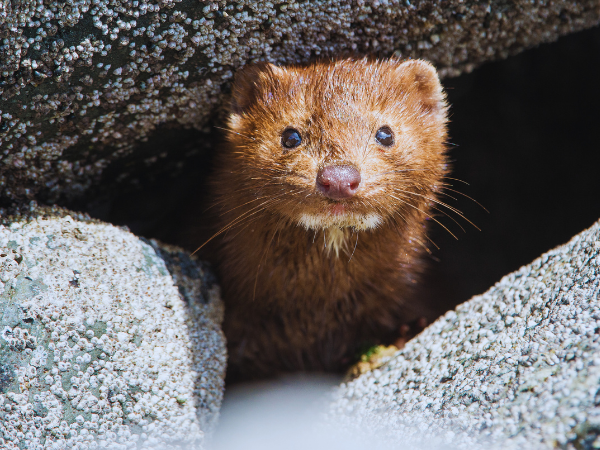
Note: Visón is masculine. It comes from French vison, ultimately from Old Norse. Mink fur has been a luxury commodity in Europe for centuries, and mink farms were once common in Spain. The plural is visones, and the word is unrelated to visón as a false friend with English vision.
Vizcacha – Vizcacha in Spanish (la)
La vizcacha salta entre las rocas de la montaña. (The vizcacha jumps between the rocks of the mountain.)
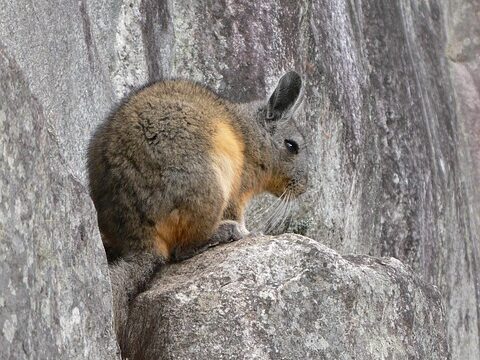
Note: Vizcacha is feminine. The word comes from Quechua wisk’acha and refers to a large, long-tailed rodent found in the Andes and Patagonia. It’s related to the chinchilla and looks like a cross between a rabbit and a squirrel. In Argentine folklore, the vizcacha is a trickster figure — Pedro Urdemales stories often feature one.
🐍 V Animals in Spanish: Frequently Asked Questions
A: Common examples include vaca (cow), venado (deer), vencejo (swift), verraco (boar), víbora (viper), vicuña (vicuña), visón (mink), and vizcacha (vizcacha). See the full list of 10 above.
A: Both. Masculine examples: el venado, el vencejo, el verraco, el visón. Feminine examples: la vaca, la víbora, la vicuña, la vizcacha. Note that vaca marina and víbora de cascabel are both feminine because their head noun is feminine.
A: Vaca (feminine, la vaca). Example: La vaca da leche. (The cow gives milk.) The word is also the root of English vaccine.
A: It literally means “sea cow” — the same image English uses for the manatee. It’s a compound noun: vaca (cow) + marina (marine). Spanish uses this pattern often for naming animals, as in víbora de cascabel (rattlesnake, literally “jingle-bell viper”).
A: This page covers 10 animals that start with V in Spanish, from la vaca (cow) to la vizcacha (vizcacha).