Animal Names in Spanish Starting with I
The letter I is the thinnest corner of Spanish animal vocabulary — there simply aren’t many Spanish animal names that begin with it. This guide covers 9 animals that start with I in Spanish, from el ibis (ibis) to el isópodo (isopod).
The list is a strange and interesting mix. You’ll find three birds — el ibis, el íbice (actually a wild goat), and el inseparable (lovebird) — alongside an Andean reptile, an African antelope, a lemur from Madagascar, a stick insect, a snow leopard, and a crustacean. The Spanish word inseparable is a literal translation of the bird’s behavior: lovebirds bond in pairs and are rarely seen apart.
Whether you’re a beginner building core vocabulary or a teacher preparing a lesson on animals, this list works as a straight read or as a reference. Because I is so thin, this page also doubles as a lesson in how Spanish handles loanwords — impala, indri, irbis, and isópodo all entered the language through other languages and kept their foreign spelling.
Explore our complete list of animal names in Spanish that start with I. From the clever iguana (iguana) to the striking impala (impala), this list includes pronunciation and example sentences to help you master this essential vocabulary.
📋 Quick List: I Animals in Spanish
- Ibis — Ibis (el)
- Íbice — Ibex (el)
- Iguana — Iguana (la)
- Impala — Impala (el)
- Indri — Indri (el)
- Inseparable — Lovebird (el)
- Insecto palo — Stick insect (el)
- Irbis — Snow leopard (el)
- Isópodo — Isopod (el)
Ibis – Ibis in Spanish (el)
El ibis camina por la orilla del río. (The ibis walks along the riverbank.)
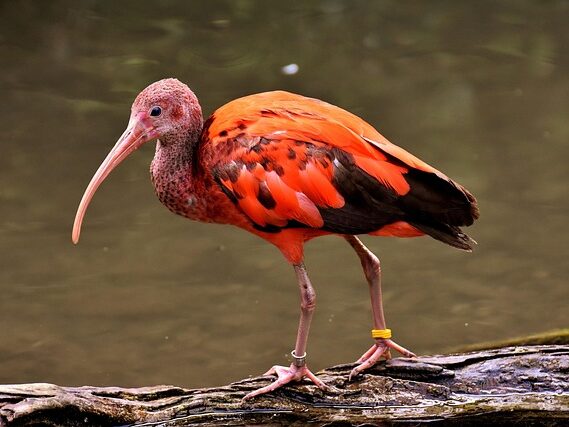
Note: Ibis is masculine. The word comes from Latin ibis, ultimately from Greek, and is identical in English and Spanish. The ibis is a wading bird with a long, curved beak, and it was sacred in ancient Egypt — the god Thoth was often depicted with an ibis head. In Spain, the ibis eremita (northern bald ibis) is one of the rarest birds in the world.
Íbice – Ibex in Spanish (el)
El íbice salta entre las rocas de la montaña. (The ibex jumps between the rocks of the mountain.)
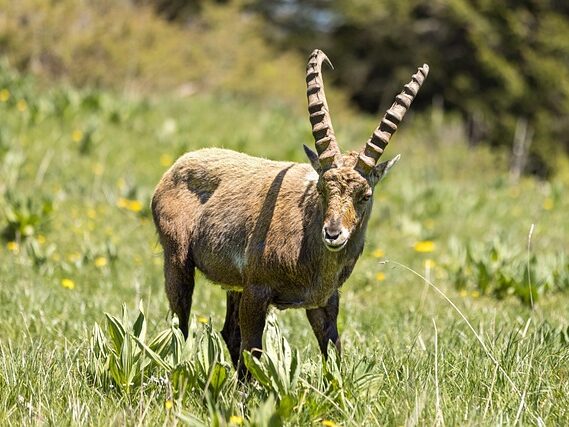
Note: Íbice is masculine and carries an accent on the first syllable: Í-bice. It refers to the wild goat of the Alps and other mountain ranges, known for its incredible climbing ability. The word comes from Latin ibex, the same root that gives English ibex. The plural is íbices.
Iguana – Iguana in Spanish (la)
La iguana toma el sol. (The iguana sunbathes.)
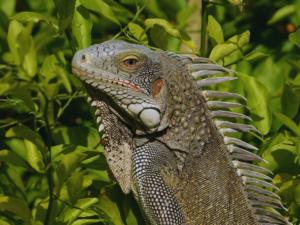
Note: Iguana is feminine. The word comes from Taíno iwana, the language of the indigenous people of the Caribbean, and entered Spanish during the colonial period before spreading to English. Iguanas are large herbivorous lizards native to Central and South America and the Caribbean. They are cold-blooded and spend hours basking in the sun to regulate their body temperature.
Impala – Impala in Spanish (el)
Un impala saltó elegantemente para escapar del depredador. (An impala jumped elegantly to escape the predator.)
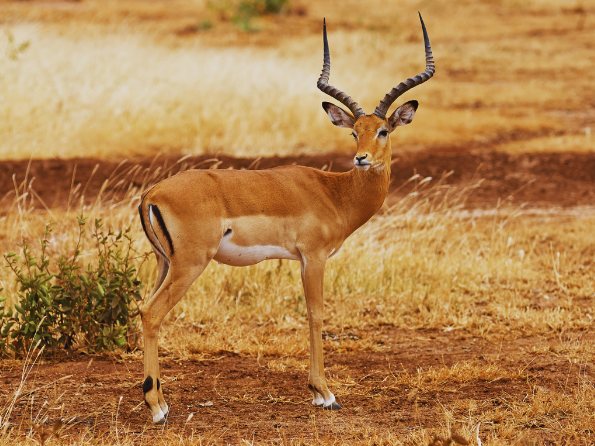
Note: Impala is masculine, and the word is identical in Spanish and English. It comes from Zulu impala and entered both languages through colonial contact in southern Africa. Impalas are known for their extraordinary jumping ability — they can leap up to three meters high and ten meters long, which is what makes them hard for predators to catch.
Indri – Indri in Spanish (el)
El indri canta al amanecer en la selva. (The indri sings at dawn in the jungle.)
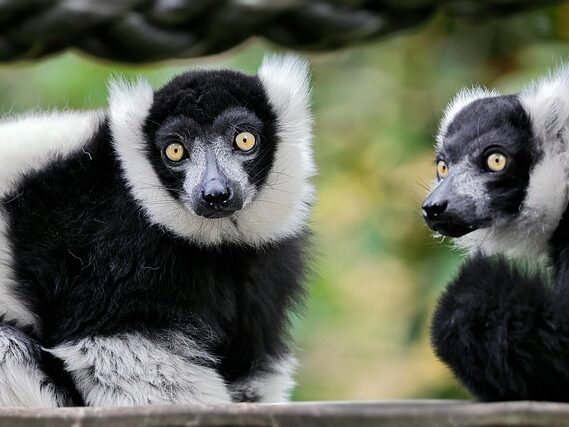
Note: Indri is masculine and comes from Malagasy, the language of Madagascar. The indri is the largest living lemur, known for its haunting, whale-like song that carries through the rainforest. According to Malagasy legend, the indri is sacred — it is said to be the ancestor of humans, and harming one is taboo.
Inseparable – Lovebird in Spanish (el)
El inseparable siempre está con su pareja. (The lovebird is always with its partner.)
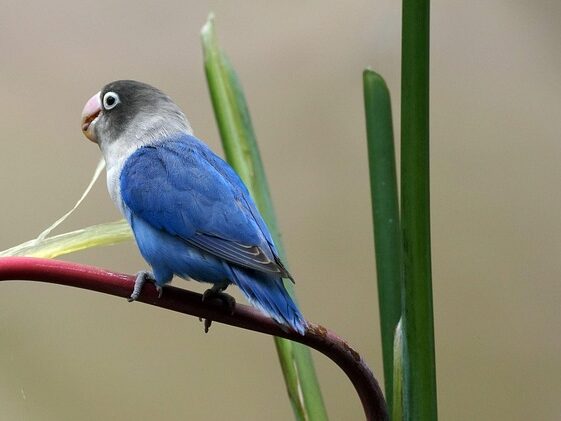
Note: Inseparable is masculine and is the everyday Spanish word for a lovebird. It comes from Latin inseparabilis (cannot be separated), referring to the bird’s strong pair bonding. The same word is also used in Spanish as an adjective meaning “inseparable” — so context matters. Lovebirds are small parrots native to Africa, and agapornis is the scientific name used in some Spanish-speaking regions.
Insecto palo – Stick insect in Spanish (el)
El insecto palo se camufla entre las ramas. (The stick insect camouflages itself among the branches.)
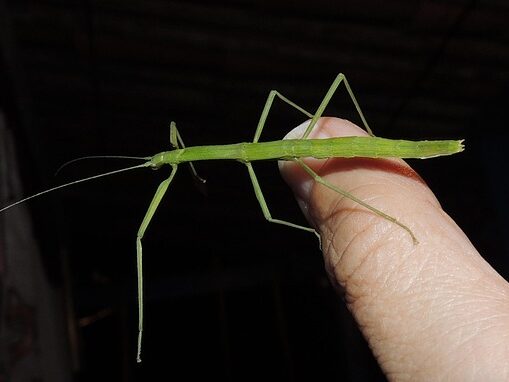
Note: Insecto palo is masculine and literally means “stick insect” — a compound of insecto (insect) + palo (stick). It refers to the family of insects that mimic twigs to avoid predators, one of the best examples of camouflage in the animal kingdom. The head noun insecto is masculine, so the article is el even though palo could be either gender.
Irbis – Snow leopard in Spanish (el)
El irbis vive en las montañas de Asia Central. (The snow leopard lives in the mountains of Central Asia.)
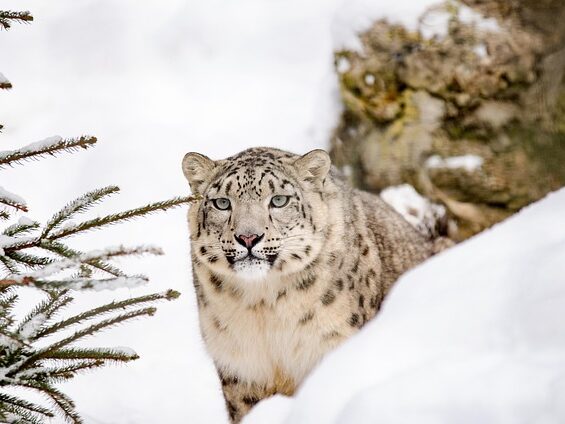
Note: Irbis is masculine. The word comes from Russian irbis, which itself came from a Turkic language. It refers to the snow leopard, a rare big cat found in the mountains of Central Asia. In Spanish, leopardo de las nieves is the more descriptive alternative, but irbis is the standard scientific and everyday term in many regions.
Isópodo – Isopod in Spanish (el)
El isópodo vive en el fondo del mar. (The isopod lives at the bottom of the sea.)
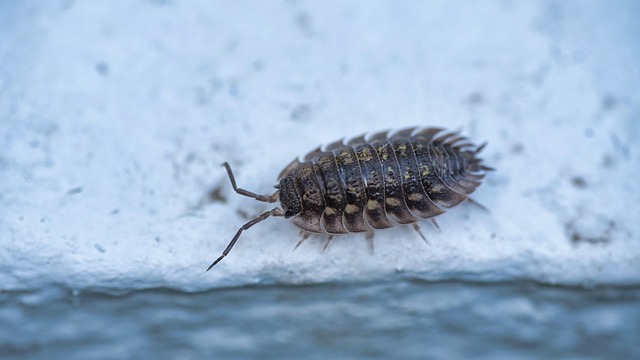
Note: Isópodo is masculine and carries an accent on the second syllable: i-SÓ-podo. The word comes from Greek iso (equal) + pous (foot), referring to the animal’s equal-sized legs. Isopods include woodlice on land and giant deep-sea species in the ocean — the giant isopod can grow up to 50 centimeters long and is a distant cousin of the shrimp.
🦎 I Animals in Spanish: Frequently Asked Questions
A: Spanish has relatively few animals starting with I. Common examples include ibis (ibis), íbice (ibex), iguana (iguana), impala (impala), indri (indri), inseparable (lovebird), and irbis (snow leopard). See the full list of 9 above.
A: Almost all are masculine, with one important exception. Masculine examples: el ibis, el íbice, el impala, el irbis. Feminine example: la iguana. Most I-animals are loanwords from other languages and took masculine gender when they entered Spanish.
A: Iguana (feminine, la iguana). Example: La iguana toma el sol. (The iguana sunbathes.) The word came into Spanish from Taíno, the indigenous language of the Caribbean, and later spread to English.
A: The letter I is rare at the start of Spanish words in general, not just animal names. Most Spanish words beginning with I are either loanwords from other languages (impala, indri, irbis), scientific terms (isópodo), or words that come from Latin roots where the I was preserved (ibis, íbice). This is why the I page has 9 entries rather than 10 like most letters.
A: This page covers 9 animals that start with I in Spanish, from el ibis (ibis) to el isópodo (isopod). I is one of the thinnest letters in the Spanish animal vocabulary, so this list is shorter than most.