Animals That Start With D in Spanish (With Meanings)
Spanish animals that start with D are a globe-trotting bunch. You’ll find el delfín (dolphin) in every ocean, el dragón de Komodo (Komodo dragon) on a single island in Indonesia, el demonio de Tasmania (Tasmanian devil) in Australia, and el dromedario (dromedary) across North Africa and the Middle East. D is a letter that takes you around the world.
This guide covers 10 animals that start with D in Spanish, from el delfín (dolphin) to el diablo espinoso (thorny devil). Each entry gives you the Spanish word, its English translation, its grammatical gender (el or la), and an example sentence so you can see it used naturally.
Whether you’re a beginner building core vocabulary or a teacher preparing a lesson, this list is designed to be scanned quickly and studied deeply. Use the Quick List below to review all ten at a glance, then read the detailed entries for context and usage.
📋 Quick List: D Animals in Spanish
- Delfín — Dolphin (el)
- Demonio de Tasmania — Tasmanian devil (el)
- Dingo — Dingo (el)
- Dragón de Komodo — Komodo dragon (el)
- Dromedario — Dromedary (el)
- Damán — Hyrax (el)
- Dorada — Gilt-head bream (la)
- Dugongo — Dugong (el)
- Danta — Tapir (la)
- Diablo espinoso — Thorny devil (el)
Damán – Hyrax in Spanish (el)
El damán vive en las rocas y se alimenta de plantas. (The hyrax lives among rocks and feeds on plants.)
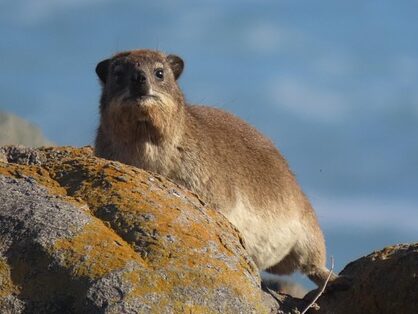
Note: Damán is masculine: el damán, los damanes. The plural adds -es and keeps the accent on the á. A small, furry mammal native to Africa and the Middle East. Surprisingly, its closest living relative is the elephant — not rodents, despite its appearance.
Danta – Tapir in Spanish (la)
La danta es un mamífero de hocico largo. (The tapir is a mammal with a long snout.)
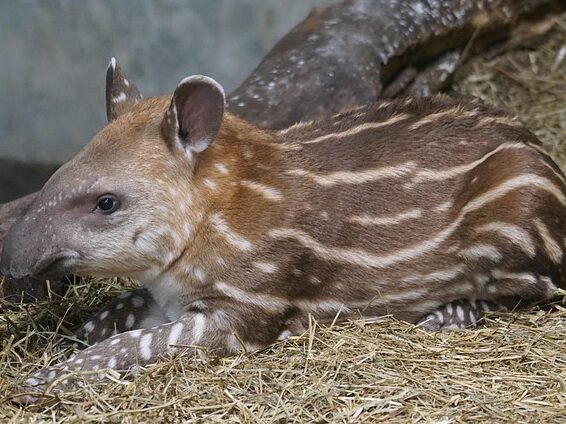
Note: Danta is feminine: la danta, las dantas. A large hoofed mammal native to Central and South America. In some regions, the animal is called tapir instead — both words are used. The danta is one of the few animals with a prehensile snout.
Delfín – Dolphin in Spanish (el)
El delfín nada junto al barco. (The dolphin swims alongside the boat.)
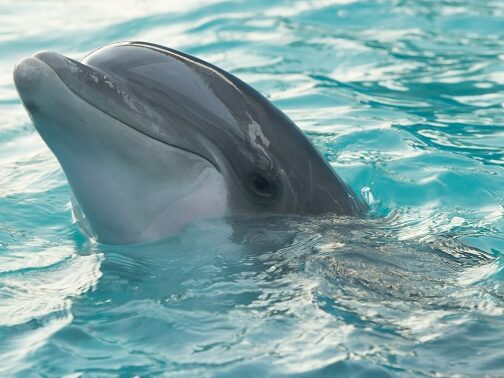
Note: Delfín is masculine: el delfín, los delfines. The plural adds -es and keeps the accent on the í. One of the most intelligent marine mammals. Common in both oceans and Spanish literature — delfines appear in everything from sailor stories to children’s books.
Demonio de Tasmania – Tasmanian Devil in Spanish (el)
El demonio de Tasmania es un marsupial carnívoro. (The Tasmanian devil is a carnivorous marsupial.)
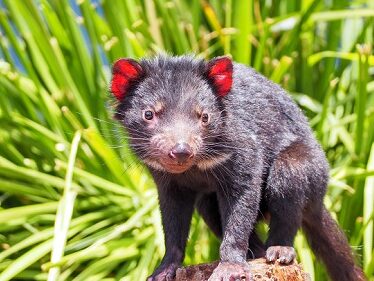
Note: Compound noun: demonio (devil) + de Tasmania (of Tasmania). Gender follows the first noun: el demonio de Tasmania. Named for its fierce screech and aggressive feeding behavior. Native only to the Australian island state of Tasmania.
Diablo espinoso – Thorny Devil in Spanish (el)
El diablo espinoso vive en los desiertos de Australia. (The thorny devil lives in the deserts of Australia.)
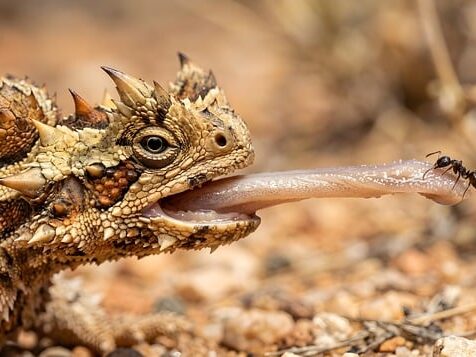
Note: Compound noun: diablo (devil) + espinoso (thorny). Gender follows the first noun: el diablo espinoso. Plural: los diablos espinosos. A small Australian lizard covered in spikes. The name reflects its fierce appearance, but it’s harmless — it eats ants.
Dingo – Dingo in Spanish (el)
El dingo vive en Australia y es un cazador solitario. (The dingo lives in Australia and is a solitary hunter.)
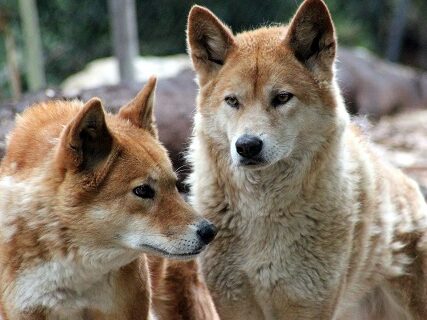
Note: Dingo is masculine: el dingo, los dingos. The word is the same in Spanish and English. An ancient wild dog native to Australia. Sometimes considered a subspecies of the domestic dog rather than a separate species.
Dorada – Gilt-head Bream in Spanish (la)
La dorada es un pescado muy apreciado en la cocina mediterránea. (The gilt-head bream is a highly prized fish in Mediterranean cooking.)
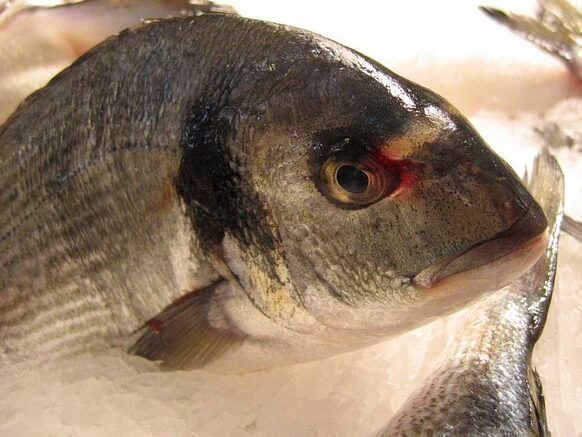
Note: Dorada is feminine: la dorada, las doradas. A common fish in Spanish and Mediterranean cuisine. The name means “golden” — referring to the gold stripe between its eyes. Very common on restaurant menus in Spain.
Dragón de Komodo – Komodo Dragon in Spanish (el)
El dragón de Komodo es el lagarto más grande del mundo. (The Komodo dragon is the largest lizard in the world.)
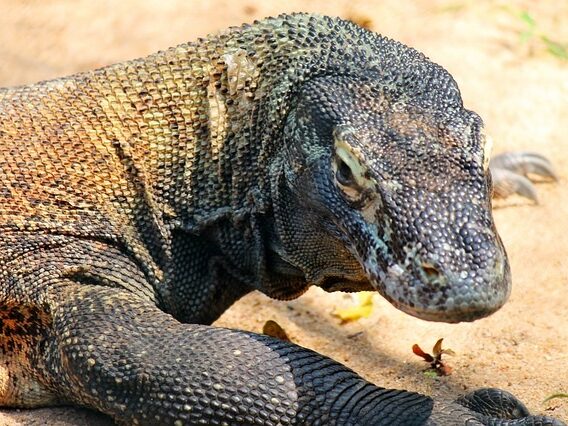
Note: Compound noun: dragón (dragon) + de Komodo (of Komodo). Gender follows the first noun: el dragón de Komodo. Native to a handful of Indonesian islands. Named after the island of Komodo, where it was first documented by Western scientists.
Dromedario – Dromedary in Spanish (el)
El dromedario tiene una sola joroba. (The dromedary has a single hump.)
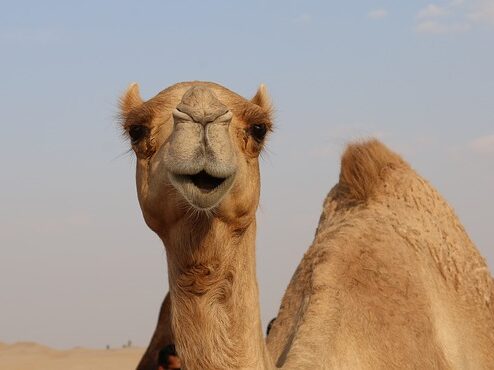
Note: Dromedario is masculine: el dromedario, los dromedarios. A one-humped camel native to North Africa and the Middle East. Not to be confused with el camello bactriano (Bactrian camel), which has two humps. In everyday Spanish, dromedario and camello are often used interchangeably.
Dugongo – Dugong in Spanish (el)
El dugongo es un mamífero marino que se alimenta de hierbas. (The dugong is a marine mammal that feeds on seagrass.)
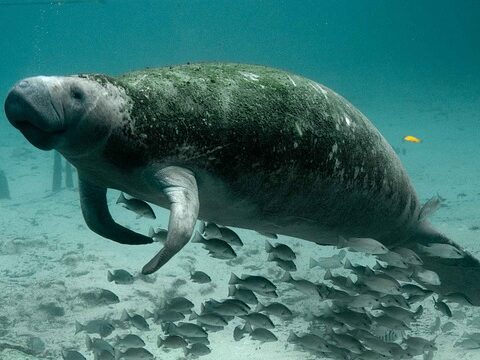
Note: Dugongo is masculine: el dugongo, los dugongos. A large marine mammal related to the manatee. Native to the Indian Ocean and the western Pacific. The word is the same in Spanish and English.
🐗 D Animals in Spanish: Frequently Asked Questions
A: The most common animals that start with D in Spanish are el delfín (dolphin), el dingo (dingo), el dromedario (dromedary), el dragón de Komodo (Komodo dragon), and la dorada (gilt-head bream). See the full list of 10 above.
A: Mostly masculine — el delfín, el dingo, el dromedario, el damán. But la dorada (gilt-head bream) and la danta (tapir) are feminine. Always learn the article with the noun.
A: Dolphin is delfín (masculine: el delfín). El delfín nada junto al barco — The dolphin swims alongside the boat. The plural is delfines (the accent drops).
A: Strictly, dromedario has one hump and camello (specifically camello bactriano) has two. But in everyday Spanish, camello is often used for both. If you need to be precise, use dromedario for the one-humped animal.
A: This page covers 10 animals that start with D in Spanish, from delfín (dolphin) to diablo espinoso (thorny devil).