Animals in Spanish starting with F
The letter F in Spanish is dominated by birds — and not just the obvious one. This guide covers 10 animals that start with F in Spanish, from el facóquero (warthog) to la fúlica (coot). Along the way you’ll meet a fox with ears bigger than its head, a seabird that spends most of its life on the open ocean, and a flamingo whose Spanish name is identical to the word for a style of music and dance.
Every entry gives you the Spanish word, its article, the English translation, a natural example sentence with its English meaning, and a short note on the grammar or culture behind it. F is a useful letter for learners because it contains several words that are nearly identical in English and Spanish — flamenco, fulmar, foca — and several that are not, like frailecillo (puffin), whose name comes from fraile (friar) because of its monk-like coloring.
Whether you’re a beginner building core vocabulary or a teacher preparing a lesson on birds or animals, this list works as a straight read or as a reference. The flashcards and quiz at the bottom of the page test exactly these 10 words.
📋 Quick List: F Animals in Spanish
- Facóquero — Warthog (el)
- Faisán — Pheasant (el)
- Fénec — Fennec fox (el)
- Flamenco — Flamingo (el)
- Foca — Seal (la)
- Frailecillo — Puffin (el)
- Francolín — Francolin (el)
- Fulmar — Fulmar (el)
- Fumarel — Black tern (el)
- Fúlica — Coot (la)
Facóquero – Warthog in Spanish (el)
El facóquero tiene colmillos grandes. (The warthog has large tusks.)
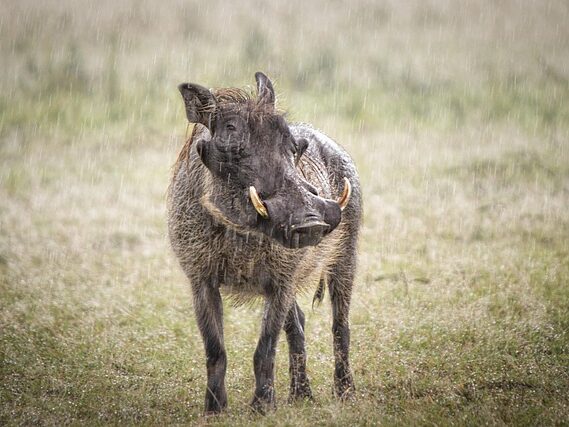
Note: Facóquero is masculine. The word comes from Afrikaans vlakvark (literally “flat pig”) and entered Spanish through English warthog, which is why the Spanish spelling looks unusual. Warthogs are found in sub-Saharan Africa and are known for the two pairs of tusks that curve out of their snouts.
Faisán – Pheasant in Spanish (el)
El faisán es colorido. (The pheasant is colorful.)
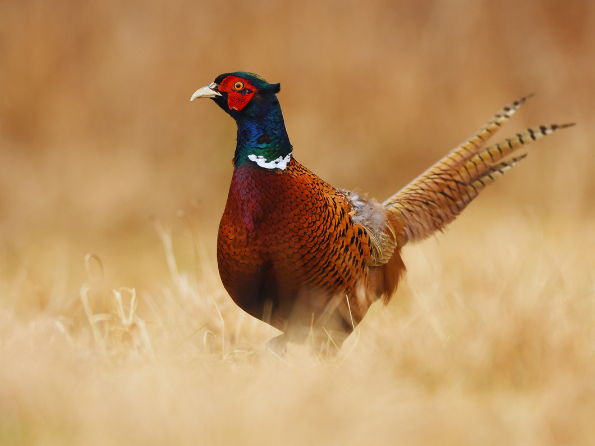
Note: Faisán is masculine. It comes from Latin phasianus, ultimately from Greek Phasis, a river in the Caucasus where the bird was first encountered by Europeans. The same root gives English pheasant. In Spain, the pheasant is a common game bird, and caza de faisán (pheasant hunting) is a traditional sport.
Fénec – Fennec fox in Spanish (el)
El fénec tiene orejas muy grandes. (The fennec fox has very large ears.)
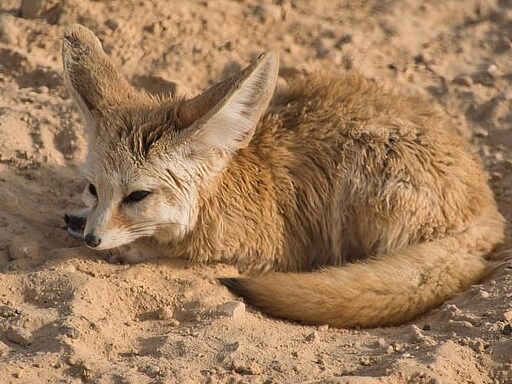
Note: Fénec is masculine. The word comes from Arabic fanak and entered Spanish through French. The fennec fox is the smallest fox in the world and lives in the Sahara Desert; its oversized ears help it release heat. In Spanish, the word keeps the accent on the first syllable — FÉ-nec — unlike English, which stresses the first syllable differently.
Flamenco – Flamingo in Spanish (el)
El flamenco es rosado. (The flamingo is pink.)
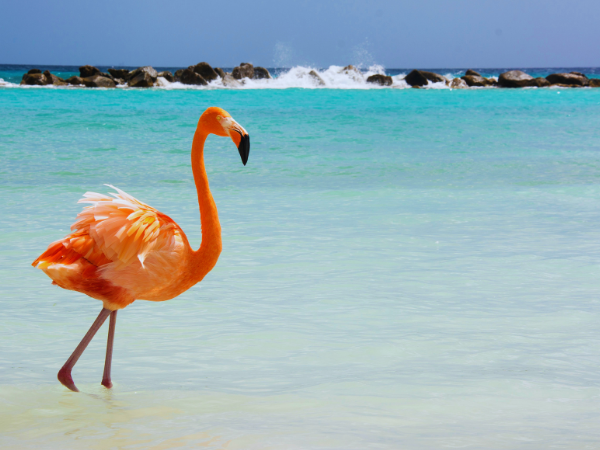
Note: Flamenco is masculine. The word comes from Latin flamma (flame), referring to the bird’s bright color — the same root that gives English flame and flamingo. In Spanish, flamenco also refers to the famous Andalusian music and dance style, and to a person from Flanders. Context usually makes the meaning clear.
Foca – Seal in Spanish (la)
La foca nada bien. (The seal swims well.)
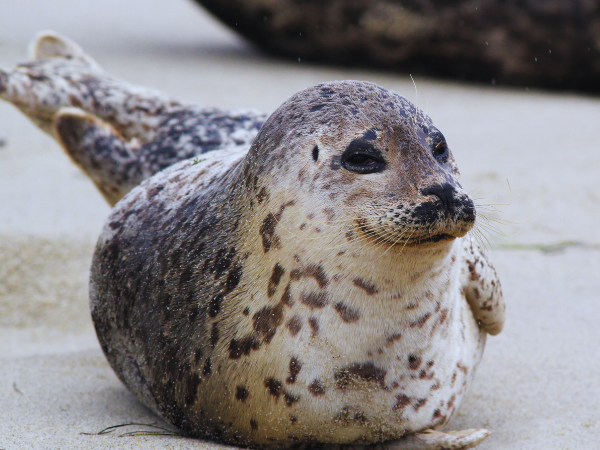
Note: Foca is feminine. It comes from Latin phoca, ultimately from Greek phōkē. The same root gives English phocine (relating to seals). In Spain, the most famous seal is the endangered foca monje (monk seal), which lives in the Mediterranean and is one of the rarest mammals in the world.
Frailecillo – Puffin in Spanish (el)
El frailecillo vive en los acantilados del Atlántico. (The puffin lives on the Atlantic cliffs.)
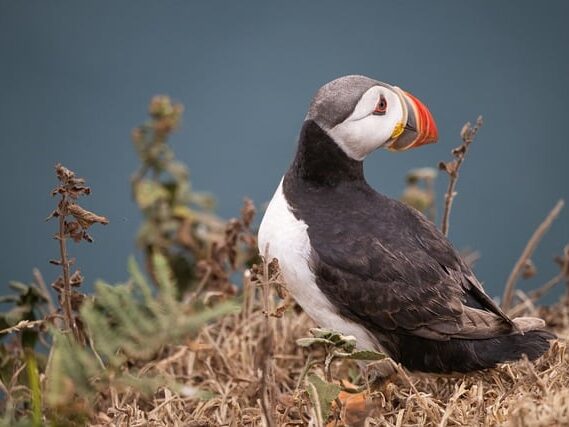
Note: Frailecillo is masculine and is a diminutive of fraile (friar), referring to the puffin’s black-and-white coloring that resembles a monk’s habit. Puffins are found on the Atlantic coasts of Spain and northern Europe. The word is unrelated to fresa (strawberry) despite the similar sound.
Francolín – Francolin in Spanish (el)
El francolín corre rápidamente por el campo. (The francolin runs quickly through the field.)
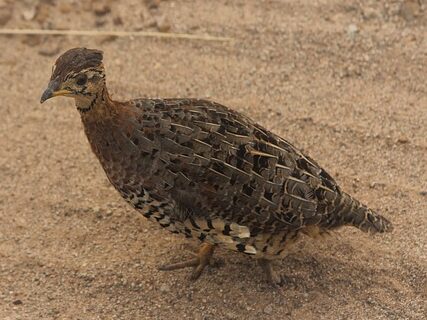
Note: Francolín is masculine. It comes from Arabic firanjul through Old Spanish, and refers to a game bird related to the pheasant and partridge. Francolins are found in southern Spain and across Africa and Asia. The word is a good example of an Arabic loanword in Spanish animal vocabulary.
Fulmar – Fulmar in Spanish (el)
El fulmar vuela sobre el océano abierto. (The fulmar flies over the open ocean.)
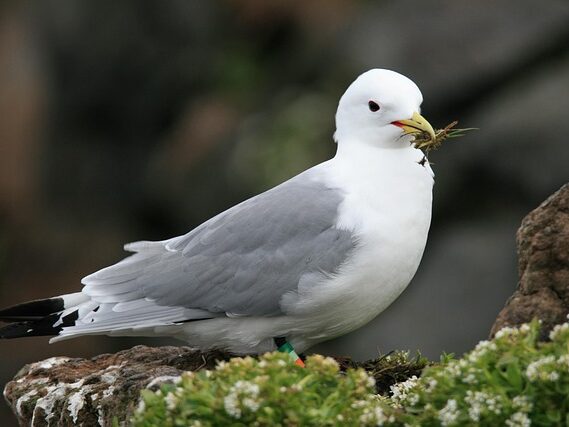
Note: Fulmar is masculine. The word comes from Old Norse fúlmár (foul gull), referring to the bird’s habit of spitting a foul-smelling oil at predators. It’s a seabird related to petrels and albatrosses, found in the North Atlantic and around Spain’s northern coasts. The Spanish spelling is identical to English.
Fumarel – Black tern in Spanish (el)
El fumarel vuela bajo sobre el agua. (The black tern flies low over the water.)
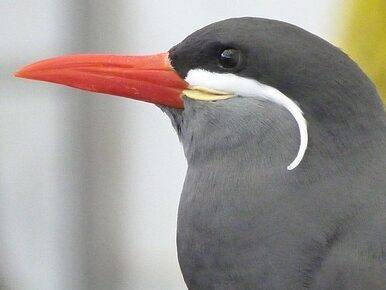
Note: Fumarel is masculine. It comes from humo (smoke) — the bird’s dark plumage in breeding season resembles smoke. The black tern is a small seabird found in wetlands across Spain and Europe. The word is a good example of how Spanish animal names often describe the animal’s appearance or behavior.
Fúlica – Coot in Spanish (la)
La fúlica nada entre los juncos. (The coot swims among the reeds.)
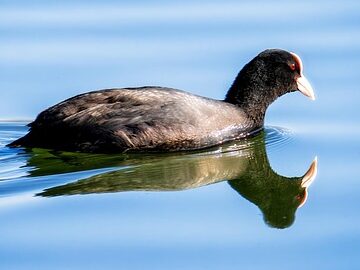
Note: Fúlica is feminine. It comes from Latin fulica, the same root that gives English coot through a different path. Coots are black water birds with distinctive white beaks and foreheads, common in Spanish wetlands and lagoons. The word is less common than focha, which is the everyday Spanish term for the same bird.
🦩 F Animals in Spanish: Frequently Asked Questions
A: Common examples include faisán (pheasant), flamenco (flamingo), foca (seal), facóquero (warthog), fénec (fennec fox), frailecillo (puffin), and fúlica (coot). See the full list of 10 above.
A: Mostly masculine, with two feminine exceptions on this page. Masculine examples: el faisán, el flamenco, el frailecillo, el fulmar. Feminine examples: la foca and la fúlica. This is a useful reminder that animal gender in Spanish cannot be predicted from the ending alone.
A: Foca (feminine, la foca). Example: La foca nada bien. (The seal swims well.) The endangered Mediterranean species is called la foca monje (monk seal).
A: Both. Flamenco is the Spanish word for the flamingo bird, and it’s also the name of the famous Andalusian music and dance style. The two meanings are unrelated in origin, but context makes them easy to tell apart — if it has feathers, it’s the bird; if it has a guitar, it’s the music.
A: This page covers 10 animals that start with F in Spanish, from el facóquero (warthog) to la fúlica (coot).