Animal Names Starting With C in Spanish
Are you learning Spanish and want to expand your vocabulary? Animals are a great place to start! In this page, we’ll explore animal names beginning with “C” in Spanish from household pets to exotic wildlife, you’ll discover new words to boost your language skills.
The letter C is one of the two richest letters in Spanish animal vocabulary — alongside P, it has more animal names than any other letter. This guide covers 36 animals that start with C in Spanish, from el caballito de mar (seahorse) to el cuervo (crow/raven). The list spans mammals, birds, reptiles, fish, insects, and marine life, and includes some of the most common words in everyday Spanish: el caballo (horse), el conejo (rabbit), el cerdo (pig), and la cebra (zebra).
Because C is so productive, this page is one of the longest in our animal vocabulary series. It’s built to be skimmed — the Quick List below lets you jump straight to any animal. A few entries are worth highlighting for learners: camarón and gamba both mean shrimp, but gamba is more common in Spain and camarón more common in Latin America; ciervo and venado both mean deer, with ciervo standard in Spain and venado standard in much of Latin America; and conejo (rabbit) is distinct from liebre (hare), which starts with L. These regional splits are one of the biggest challenges in Spanish animal vocabulary, because the word changes depending on where you are.
📋 Quick List: C Animals in Spanish
- Caballito de mar — Seahorse (el)
- Caballo — Horse (el)
- Cabra — Goat (la)
- Cacatúa — Cockatoo (la)
- Caimán — Alligator/Caiman (el)
- Calamar — Squid (el)
- Camaleón — Chameleon (el)
- Camarón — Shrimp (el)
- Camello — Camel (el)
- Canario — Canary (el)
- Cangrejo — Crab (el)
- Canguro — Kangaroo (el)
- Capibara — Capybara (la)
- Caracol — Snail (el)
- Castor — Beaver (el)
- Cebra — Zebra (la)
- Cerdo — Pig (el)
- Chacal — Jackal (el)
- Chimpancé — Chimpanzee (el)
- Chinche — Bedbug (la)
- Ciempiés — Centipede (el)
- Ciervo — Deer (el)
- Cigüeña — Stork (la)
- Cisne — Swan (el)
- Cobra — Cobra (la)
- Cocodrilo — Crocodile (el)
- Codorniz — Quail (la)
- Colibrí — Hummingbird (el)
- Comadreja — Weasel (la)
- Cóndor — Condor (el)
- Conejillo de Indias — Guinea pig (el)
- Conejo — Rabbit (el)
- Coyote — Coyote (el)
- Cucaracha — Cockroach (la)
- Cuco — Cuckoo (el)
- Cuervo — Crow/Raven (el)
Caballito de mar – Seahorse in Spanish (el)
El caballito de mar es una criatura marina fascinante. (The seahorse is a fascinating marine creature.)

Note: Caballito de mar is masculine and literally means “little horse of the sea” — a diminutive of caballo. This is one of Spanish’s most charming compound animal names, and it mirrors the English seahorse. Seahorses are fish, not horses, and the male carries the eggs — one of the few animal species where the male gets pregnant.
Caballo – Horse in Spanish (el)
El caballo corre rápidamente en el prado. (The horse runs quickly in the meadow.)

Note: Caballo is masculine. The female is yegua (mare), and a young horse is potro (colt) or potra (filly). The word comes from Latin caballus, a colloquial term for a workhorse, which replaced the classical equus in most Romance languages. In Spanish, caballo appears in many idioms: a caballo regalado no le mires el diente (don’t look a gift horse in the mouth).
Cabra – Goat in Spanish (la)
La cabra pasta en el campo. (The goat grazes in the field.)
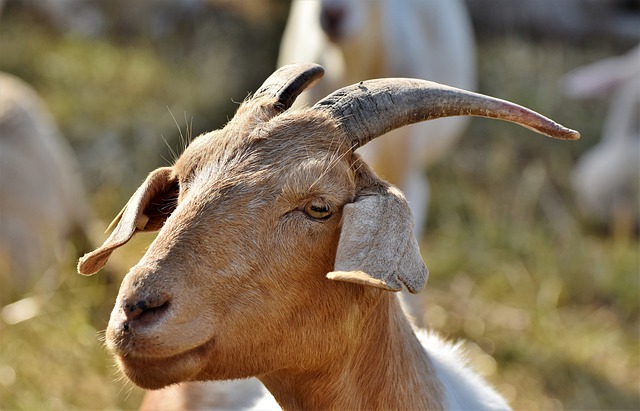
Note: Cabra is feminine. The male is macho cabrío or cabrón — though cabrón is also a strong insult in most Spanish-speaking countries, so context matters. A young goat is cabrito. The phrase estar como una cabra (literally “to be like a goat”) means to be crazy. Goats are common in Spanish rural life and appear in folklore across the Iberian Peninsula.
Cacatúa – Cockatoo in Spanish (la)
La cacatúa es un loro tropical con una cresta distintiva. (The cockatoo is a tropical parrot with a distinctive crest.)
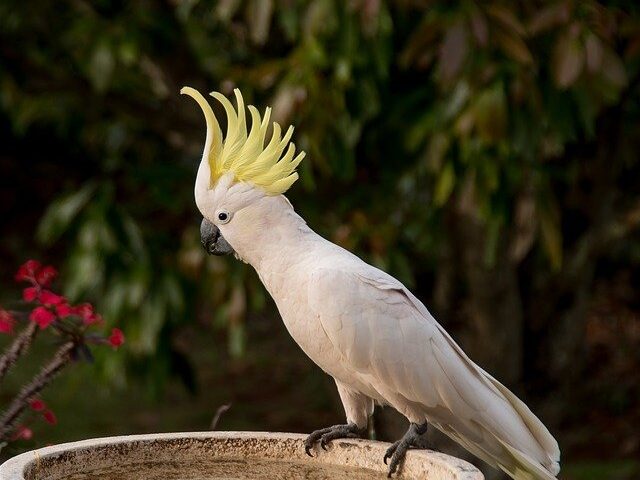
Note: Cacatúa is feminine and carries an accent on the final syllable: ca-ca-TÚ-a. The word comes from Malay kakaktua through Dutch, and is the same root that gives English cockatoo. Cockatoos are native to Australia and the surrounding islands. This is the word English speakers might expect to find under K as “kakatu” — but in Spanish it starts with C.
Caimán – Alligator/Caiman in Spanish (el)
El caimán vive en zonas pantanosas. (The alligator lives in swampy areas.)

Note: Caimán is masculine and carries an accent on the final syllable: cai-MÁN. The word comes from Taíno, the indigenous language of the Caribbean, and entered Spanish during the colonial period before spreading to English. In Spanish, caimán covers both alligators and caimans — the distinction between them is not always made in everyday speech. The related yacaré (Y page) is a specific South American species.
Calamar – Squid in Spanish (el)
El calamar es una delicia en la cocina mediterránea. (Squid is a delicacy in Mediterranean cuisine.)

Note: Calamar is masculine. The word comes from Latin calamarius (relating to a pen), referring to the squid’s ink sac and quill-like internal shell. Squid are a staple of Mediterranean cooking — calamares a la romana (fried squid rings) is one of Spain’s most popular tapas. The plural is calamares.
Camaleón – Chameleon in Spanish (el)
El camaleón cambia de color para camuflarse. (The chameleon changes color to camouflage itself.)
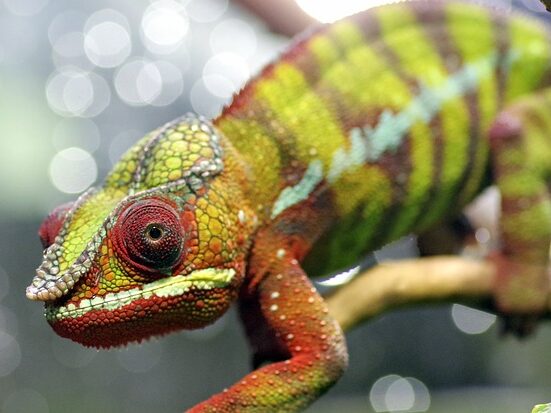
Note: Camaleón is masculine and carries an accent on the final syllable: ca-ma-le-ÓN. The word comes from Latin chamaeleon, ultimately from Greek khamailéōn (earth lion). Chameleons are known for their color-changing ability, though the main purpose is communication and temperature regulation, not camouflage. In Spanish, camaleón is also used figuratively for a person who changes opinions easily.
Camarón – Shrimp in Spanish (el)
El camarón es un marisco sabroso. (Shrimp is a tasty seafood.)

Note: Camarón is masculine and carries an accent on the final syllable: ca-ma-RÓN. In Spain, gamba is more common for the small pink shrimp, while camarón is used for larger varieties. In Latin America, camarón is the general word. The expression camarón que se duerme se lo lleva la corriente (a shrimp that falls asleep gets carried away by the current) means if you’re not paying attention, you’ll miss your opportunity.
Camello – Camel in Spanish (el)
El camello es conocido por su resistencia en el desierto. (The camel is known for its endurance in the desert.)

Note: Camello is masculine. Spanish distinguishes camello (two-humped Bactrian camel) from dromedario (one-humped dromedary) — a distinction English often blurs. In Spain, camello is also slang for a drug dealer. The word comes from Latin camelus, ultimately from Semitic languages. Camels can drink up to 100 liters of water in ten minutes.
Canario – Canary in Spanish (el)
El canario canta melodiosamente en su jaula. (The canary sings melodiously in its cage.)

Note: Canario is masculine. The word comes from the Canary Islands — Islas Canarias — which were named for the large dogs (canes) found there, not for the birds. The bird was named after the islands, not the other way around. Canaries were domesticated in Spain in the 15th century and spread across Europe. The color canario (canary yellow) is named after the bird.
Cangrejo – Crab in Spanish (el)
El cangrejo se mueve de lado a lado. (The crab moves from side to side.)

Note: Cangrejo is masculine. The word comes from Latin cancer, the same root that gives English cancer and carcinoma. Crabs are decapod crustaceans found in oceans, freshwater, and on land. In Spanish, cangrejo is also used in the phrase cangrejo de río (crayfish, literally “river crab”). The plural is cangrejos.
Canguro – Kangaroo in Spanish (el)
El canguro tiene saltos largos y poderosos. (The kangaroo has long and powerful jumps.)

Note: Canguro is masculine. The word comes from English kangaroo, which came from Guugu Yimidhirr, an Aboriginal Australian language. This is one of the most common animal words English speakers expect to find under K — but in Spanish it starts with C. Kangaroos are marsupials native to Australia, and the word is also used in Spain for a type of baby carrier.
Capibara – Capybara in Spanish (la)
La capibara es el roedor más grande del mundo. (The capybara is the largest rodent in the world.)

Note: Capibara is feminine, though the alternative spelling capybara is also used. The word comes from Tupi, an indigenous language of Brazil, and means “grass eater.” Capybaras are native to South America and are the world’s largest rodent, weighing up to 65 kilograms. They’re semi-aquatic and are often found in groups near rivers and lakes. In some regions, they’re called carpincho.
Caracol – Snail in Spanish (el)
El caracol se desplaza lentamente por el jardín. (The snail moves slowly through the garden.)

Note: Caracol is masculine. The word comes from Latin cochlea, which also gives English cochlea (the spiral part of the inner ear). Snails and slugs are both gastropods, but Spanish distinguishes caracol (snail with shell) from babosa (slug). The spiral shape of the shell gives Spanish the phrase escalera de caracol (spiral staircase).
Castor – Beaver in Spanish (el)
El castor construye represas en los ríos. (The beaver builds dams in rivers.)

Note: Castor is masculine. The word comes from Latin castor, ultimately from Greek, and is identical in English and Spanish. Beavers are known for building dams and lodges, and their fur was once so valuable that it drove the North American fur trade. In Spanish, the plural is castores. The word is unrelated to castor as a type of oil (from a different plant source).
Cebra – Zebra in Spanish (la)
La cebra tiene un pelaje a rayas blanco y negro. (The zebra has black and white striped fur.)

Note: Cebra is feminine. The word comes from Portuguese zebra, which itself came from an African language. Spanish borrowed the word from Portuguese, and it’s the same in English. Zebras are native to Africa and are related to horses and donkeys. In Spanish, paso de cebra (zebra crossing) is the standard term for a pedestrian crosswalk.
Cerdo – Pig in Spanish (el)
El cerdo disfruta revolcándose en el lodo. (The pig enjoys rolling in the mud.)
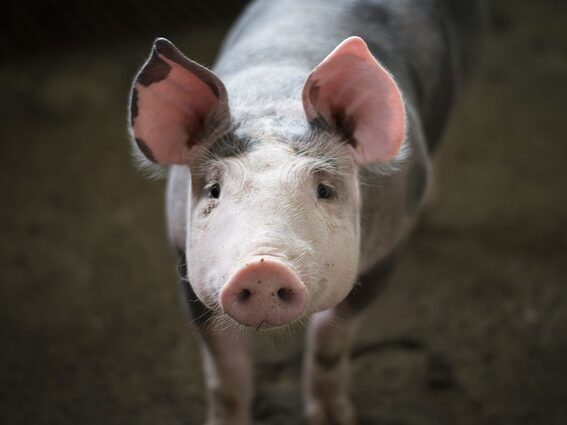
Note: Cerdo is masculine. The female is cerda, and a young pig is cochino or lechón. Spanish has several words for pig: cerdo, puerco, cochino, marrano, and chancho (the last being more common in South America). The word is also used figuratively: cerdo can mean a dirty or vulgar person. Pork is carne de cerdo.
Chacal – Jackal in Spanish (el)
El chacal es un depredador astuto en la sabana. (The jackal is a cunning predator in the savanna.)
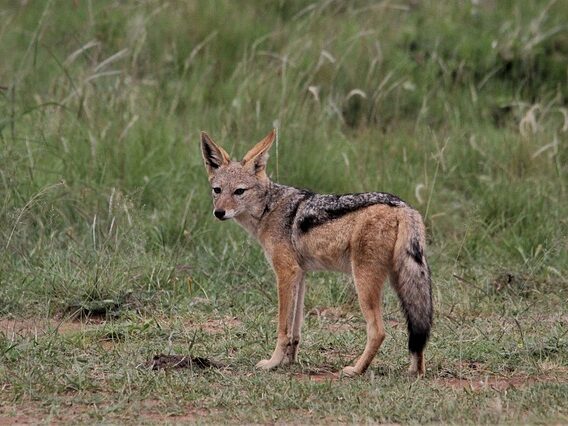
Note: Chacal is masculine. The word comes from Turkish çakal through French, and entered Spanish in the 17th century. Jackals are canids found in Africa and Asia, closely related to wolves and coyotes. In Spanish, chacal is also used figuratively for a person who does dirty work for someone else. The plural is chacales.
Chimpancé – Chimpanzee in Spanish (el)
El chimpancé comparte similitudes genéticas con los humanos. (The chimpanzee shares genetic similarities with humans.)
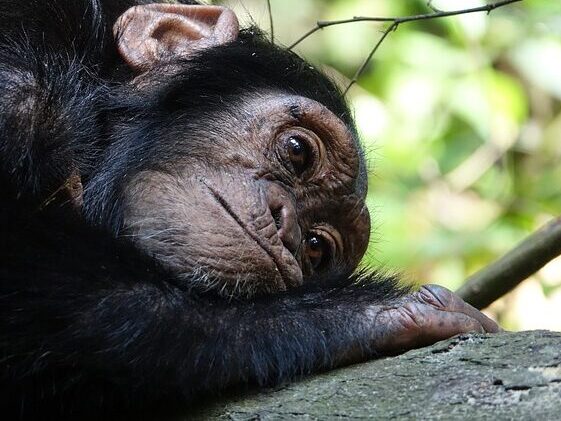
Note: Chimpancé is masculine and carries an accent on the final syllable: chim-pan-CÉ. The word comes from a Bantu language, probably from the Luba or Kikongo word kivili-chimpenze (mockman). Chimpanzees are our closest living relatives, sharing about 98.8% of our DNA. The plural is chimpancés.
Chinche – Bedbug in Spanish (la)
La chinche es una plaga doméstica molesta. (The bedbug is an annoying household pest.)
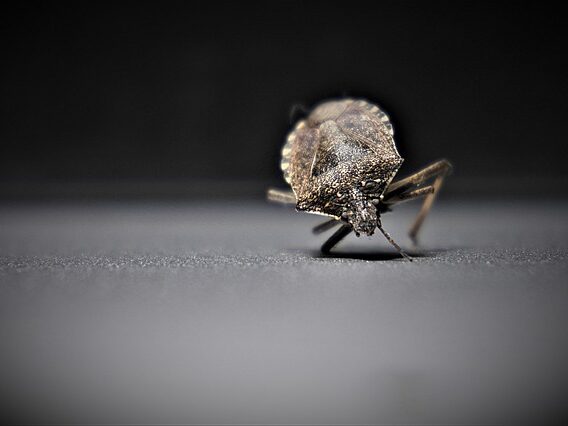
Note: Chinche is feminine. The word comes from Latin cimex, which also gives English chinch (a type of insect). In Spanish, chinche can refer to bedbugs or to other similar insects. The word is also used figuratively: caer como chinches (to die like bedbugs) means to die in large numbers. The diminutive chinchita is sometimes used for small insects.
Ciempiés – Centipede in Spanish (el)
El ciempiés tiene muchas patas y es ágil. (The centipede has many legs and is agile.)
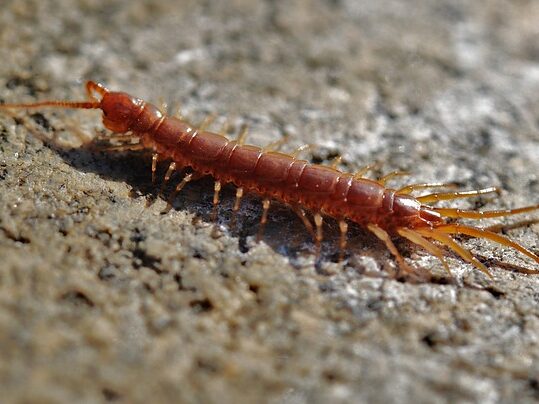
Note: Ciempiés is masculine and literally means “hundred feet” — a compound of cien (hundred) + pies (feet). Despite the plural form, it’s treated as singular: el ciempiés, plural los ciempiés. Centipedes are not insects but arthropods, and they can have anywhere from 30 to over 300 legs, always an odd number. They’re venomous and predatory.
Ciervo – Deer in Spanish (el)
El ciervo pasta en el bosque. (The deer grazes in the forest.)

Note: Ciervo is masculine. In Spain, ciervo is the standard word for deer, while in much of Latin America venado is more common. A female deer is cierva, and a fawn is cervato. The word comes from Latin cervus, the same root that gives English cervine (relating to deer). If you’re looking for the Latin American word, see the V page for venado.
Cigüeña – Stork in Spanish (la)
La cigüeña construye nidos grandes en lugares altos. (The stork builds large nests in high places.)
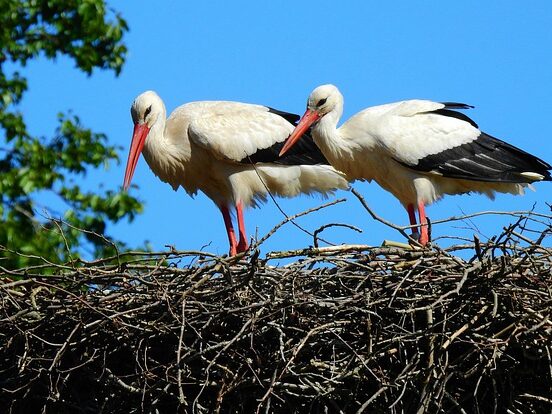
Note: Cigüeña is feminine and carries a diaeresis on the ü: ci-GÜE-ña. The diaeresis means the *u* is pronounced — without it, gue would sound like “geh.” The word comes from Latin ciconia, the same root that gives English stork through a different path. Storks are associated with babies in European folklore, and the white stork is a common sight on Spanish church towers.
Cisne – Swan in Spanish (el)
El cisne nada con elegancia en el lago. (The swan swims gracefully in the lake.)

Note: Cisne is masculine. The word comes from Latin cygnus, the same root that gives English cygnet (a young swan). Swans are large waterfowl known for their graceful movement and their lifelong pair bonds. In Spanish, the phrase canto del cisne (swan song) refers to a final performance before retirement or death, borrowed directly from the English idiom.
Cobra – Cobra in Spanish (la)
La cobra es una serpiente venenosa. (The cobra is a venomous snake.)
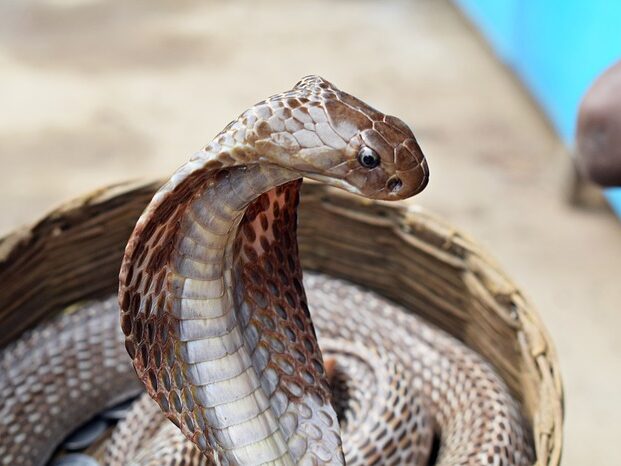
Note: Cobra is feminine. The word comes from Portuguese cobra (snake), which itself came from Latin colubra. In Spanish, cobra specifically refers to the cobra, a venomous snake found in Africa and Asia, known for rearing up and spreading its hood when threatened. The word is unrelated to cobrar (to charge, to collect), though they look similar.
Cocodrilo – Crocodile in Spanish (el)
El cocodrilo acecha en el agua. (The crocodile lurks in the water.)
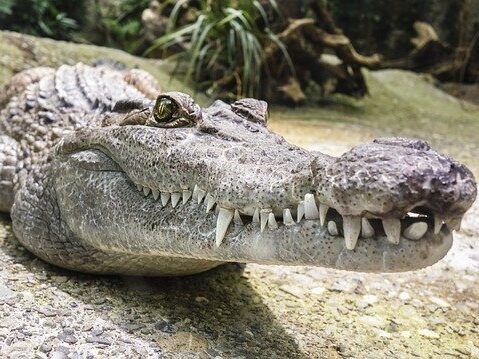
Note: Cocodrilo is masculine. The word comes from Latin crocodilus, ultimately from Greek krokodilos. Crocodiles are large reptiles found in tropical regions worldwide. In Spanish, cocodrilo refers to true crocodiles, while caimán refers to alligators and caimans. Crocodiles can live up to 70 years and are among the closest living relatives of birds.
Codorniz – Quail in Spanish (la)
La codorniz es una ave pequeña con carne sabrosa. (The quail is a small bird with tasty meat.)
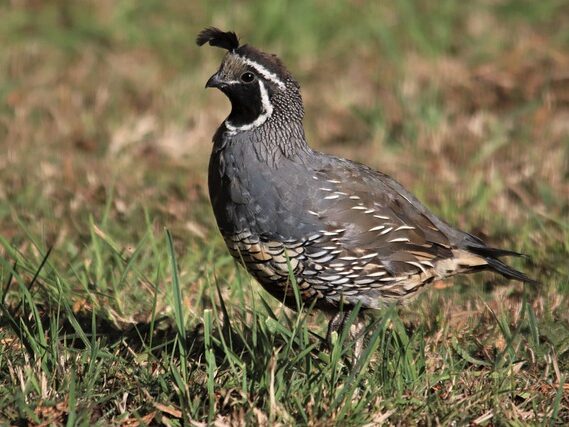
Note: Codorniz is feminine and has an irregular plural: codornices. The word comes from Latin coturnix, the same root that gives English quail through a different path. Quails are small game birds found worldwide, and codornices escabechadas (pickled quail) is a traditional Spanish dish. The word is also used figuratively: estar como una codorniz means to be very happy or lively.
Colibrí – Hummingbird in Spanish (el)
El colibrí revolotea alrededor de las flores. (The hummingbird flutters around the flowers.)
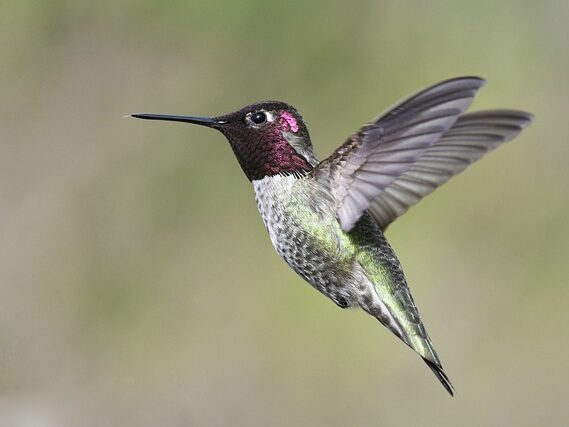
Note: Colibrí is masculine and carries an accent on the final syllable: co-li-BRÍ. The word comes from Taíno, the indigenous language of the Caribbean. Hummingbirds are native to the Americas and are known for their ability to hover in midair by beating their wings up to 80 times per second. In some regions, they’re called picaflor (flower pecker) or chuparrosa (rose sucker).
Comadreja – Weasel in Spanish (la)
La comadreja es un depredador ágil. (The weasel is an agile predator.)

Note: Comadreja is feminine. The word is a diminutive of comadre (godmother, midwife), referring to the animal’s reputation for stealing eggs and young animals. Weasels are small, agile carnivores in the mustelid family, which also includes otters, badgers, and ferrets. They’re found worldwide and are known for their ability to kill prey larger than themselves.
Cóndor – Condor in Spanish (el)
El cóndor es una majestuosa ave rapaz. (The condor is a majestic bird of prey.)
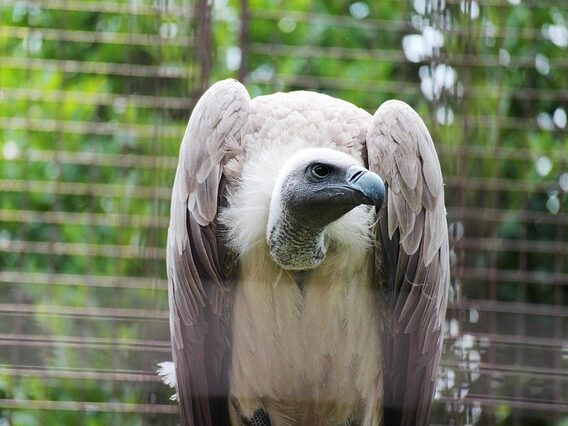
Note: Cóndor is masculine and carries an accent on the first syllable: CÓN-dor. The word comes from Quechua kuntur, the language of the Inca Empire. The Andean condor is one of the largest flying birds in the world, with a wingspan of over three meters. It’s the national bird of several South American countries, including Chile, Colombia, Ecuador, and Bolivia.
Conejillo de Indias – Guinea Pig in Spanish (el)
El conejillo de Indias es una mascota popular. (The guinea pig is a popular pet.)
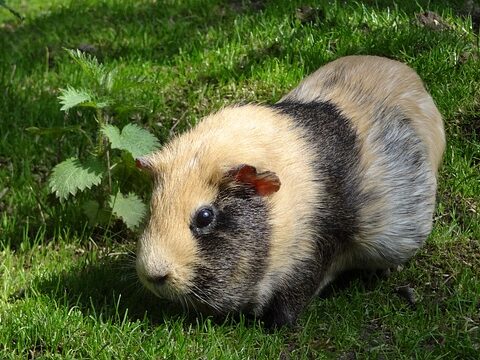
Note: Conejillo de Indias is masculine and literally means “little rabbit of the Indies” — a diminutive of conejo (rabbit) plus Indias (the Indies, referring to the Americas). The alternative word cobaya is also common, especially in Spain. Guinea pigs are native to South America, where they’re called cuy in Peru and Ecuador, and are raised for food as well as kept as pets.
Conejo – Rabbit in Spanish (el)
El conejo salta por el campo. (The rabbit hops through the field.)
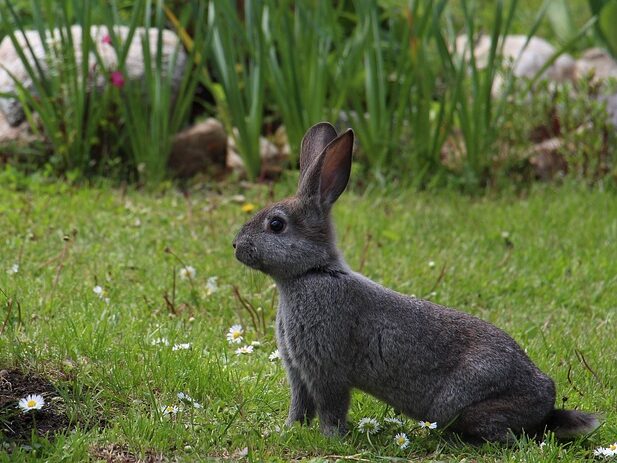
Note: Conejo is masculine. The female is coneja, and a young rabbit is gazapo. The word comes from Latin cuniculus, the same root that gives English cony and coney. Rabbits are distinct from hares — liebre in Spanish, which starts with L. The phrase estar como una coneja (to be like a rabbit) can mean to be very fertile, and conejo is also slang in some regions.
Coyote – Coyote in Spanish (el)
El coyote aúlla en la noche. (The coyote howls at night.)
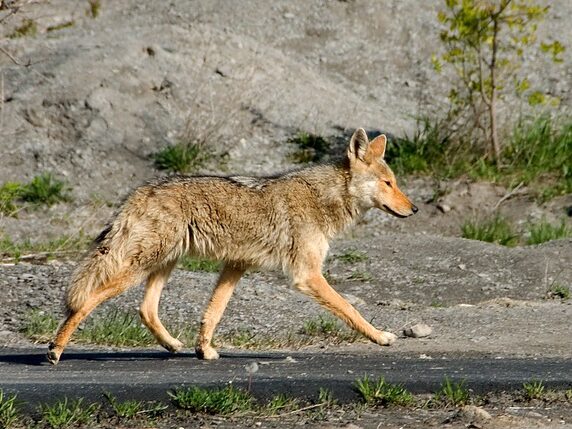
Note: Coyote is masculine. The word comes from Nahuatl coyotl, the language of the Aztecs, and entered Spanish during the colonial period before spreading to English. Coyotes are canids native to North America, closely related to wolves and jackals. In Mexican Spanish, coyote is also slang for a person who smuggles people across the border.
Cucaracha – Cockroach in Spanish (la)
La cucaracha es una plaga común en las ciudades. (The cockroach is a common pest in cities.)
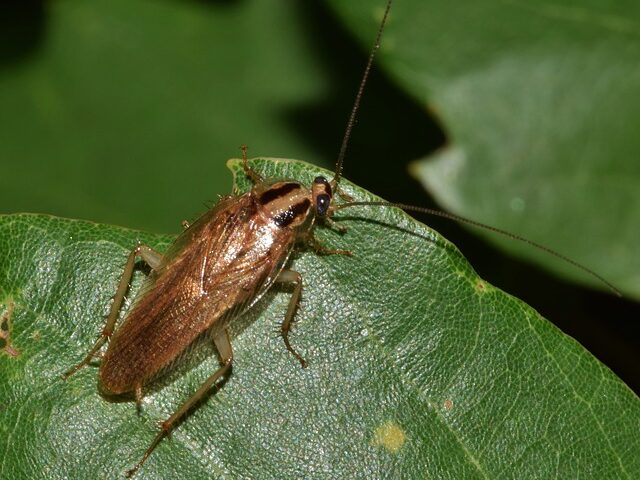
Note: Cucaracha is feminine. The word may come from cucaracha, a variant of cucarachа, ultimately from Latin blatta through a different path. Cockroaches are one of the oldest insect groups, dating back over 300 million years. La Cucaracha is also the name of a famous Mexican folk song, often associated with the Mexican Revolution. The phrase estar como una cucaracha (to be like a cockroach) means to be very poor or miserable.
Cuco – Cuckoo in Spanish (el)
El cuco anuncia la llegada de la primavera con su canto. (The cuckoo announces the arrival of spring with its song.)
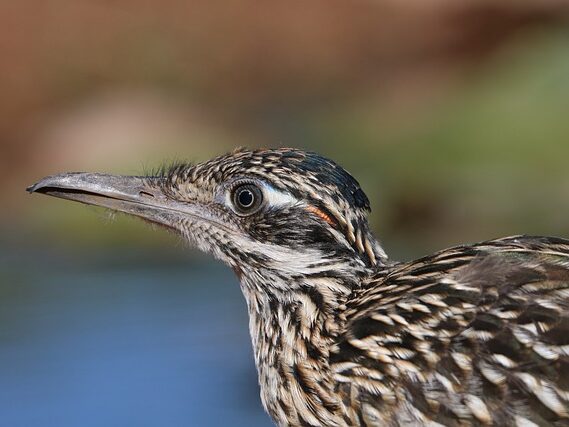
Note: Cuco is masculine. The word is onomatopoeic — it imitates the bird’s two-note call. In Spanish, cuco is also used as an adjective meaning “cute” or “clever,” and in Latin America it can mean a bogeyman figure used to scare children. The cuckoo is known for laying its eggs in other birds’ nests, a behavior called brood parasitism.
Cuervo – Crow/Raven in Spanish (el)
El cuervo es un pájaro inteligente con plumaje negro. (The crow is an intelligent bird with black plumage.)
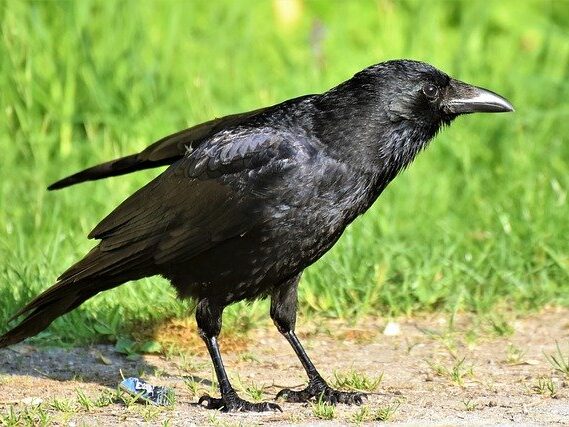
Note: Cuervo is masculine. The word comes from Latin corvus, the same root that gives English corvid (the crow family). Spanish uses cuervo for both crows and ravens, though raven is sometimes distinguished as cuervo grande (large crow). Crows are among the most intelligent birds, capable of using tools and recognizing individual human faces. Edgar Allan Poe’s poem “The Raven” is El cuervo in Spanish.he coyote howls at night.)
🐊 C Animals in Spanish: Frequently Asked Questions
A: C is one of the richest letters in Spanish animal vocabulary. Common examples include caballo (horse), cabra (goat), conejo (rabbit), cerdo (pig), canguro (kangaroo), cebra (zebra), cocodrilo (crocodile), cuervo (crow), and colibrí (hummingbird). See the full list of 36 above.
A: Mostly masculine, with several feminine exceptions. Masculine examples: el caballo, el conejo, el cerdo, el canguro, el cocodrilo, el cuervo. Feminine examples: la cabra, la cebra, la cobra, la cucaracha, la cigüeña, la comadreja, la codorniz. The feminine ones often end in -a or follow the pattern of other animal names.
A: Caballo (masculine, el caballo). Example: El caballo corre rápidamente en el prado. (The horse runs quickly in the meadow.) The female is yegua, and a young horse is potro or potra.
A: Both mean shrimp, but the regional preference differs. In Spain, gamba is more common for small pink shrimp, while camarón is used for larger varieties. In Latin America, camarón is the general word. The distinction is similar to the difference between ciervo and venado for deer — both are correct, but the regional preference changes.
A: This page covers 36 animals that start with C in Spanish, from el caballito de mar (seahorse) to el cuervo (crow/raven). C is one of the two richest letters in the Spanish animal vocabulary, so this list is one of the longest on the site.