Animal Names in Spanish Starting with Y
Explore our complete list of animal names in Spanish that start with Y. From the hard-working yak (yak) to the lively yegua (mare), this list includes images and example sentences to help you master this essential vocabulary.
The letter Y is thin in Spanish, but unlike W and K, it has native words — including two feminine animal names that most learners never see in a textbook. This guide covers 7 animals that start with Y in Spanish, from el yacaré (yacaré caiman) to la yubarta (humpback whale). Several entries are regional: yaguareté and yacaré are the standard words in Argentina and Paraguay, where they came into Spanish from Guaraní, while yigüirro is the national bird of Costa Rica.
Because Y is rare at the start of Spanish words, several of the animals here are known by different names in different regions. Yaguareté is the same animal as jaguar; yubarta is a synonym for ballena jorobada; and yacaré is one species within the broader caimán family. Learning these regional terms is useful because Spanish animal vocabulary changes more from country to country than grammar does.
📋 Quick List: Y Animals in Spanish
- Yacaré — Yacaré caiman (el)
- Yaguareté — Jaguar (el)
- Yaguarundí — Jaguarundi (el)
- Yak — Yak (el)
- Yegua — Mare (la)
- Yigüirro — Clay-colored thrush (el)
- Yubarta — Humpback whale (la)
Yacaré – Yacaré Caiman in Spanish (el)
El yacaré descansa en la orilla del río. (The yacaré caiman rests on the riverbank.)
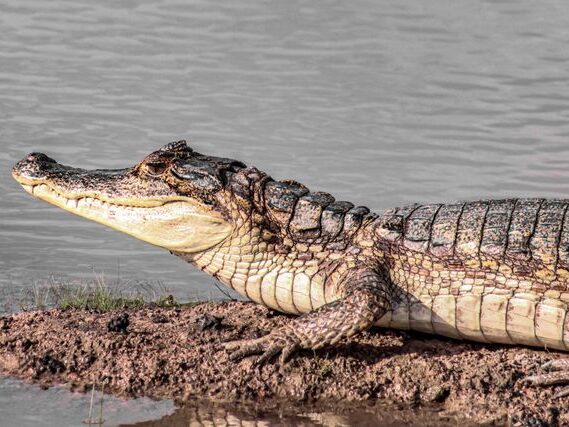
Note: Yacaré is masculine and carries an accent on the final syllable: ya-ca-RÉ. The word comes from Guaraní and is the standard term for this caiman species in Argentina, Paraguay, and Uruguay. In other Spanish-speaking regions, caimán is more common. The yacaré is smaller than the American alligator and is found in the wetlands of southern South America.
Yaguareté – Jaguar in Spanish (el)
El yaguareté caza en la selva al amanecer. (The jaguar hunts in the jungle at dawn.)
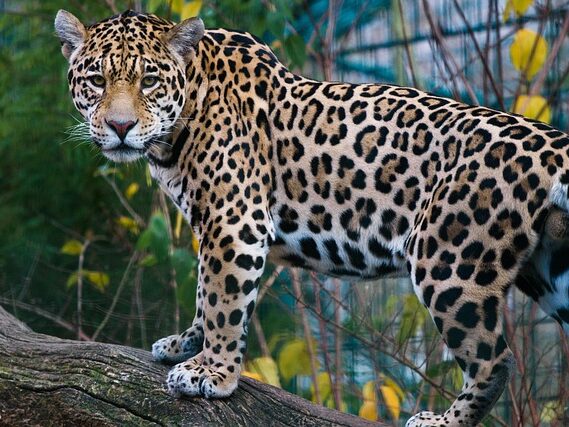
Note: Yaguareté is masculine and carries an accent on the final syllable: ya-gua-re-TÉ. The word comes from Guaraní and literally means “true beast” — yaguar (beast) + eté (true). It’s the standard term for jaguar in Argentina and Paraguay, while jaguar is used elsewhere. The jaguar is the largest cat in the Americas and the third-largest in the world, after the tiger and lion.
Yaguarundí – Jaguarundi in Spanish (el)
El yaguarundí es un felino pequeño de América. (The jaguarundi is a small feline from the Americas.)
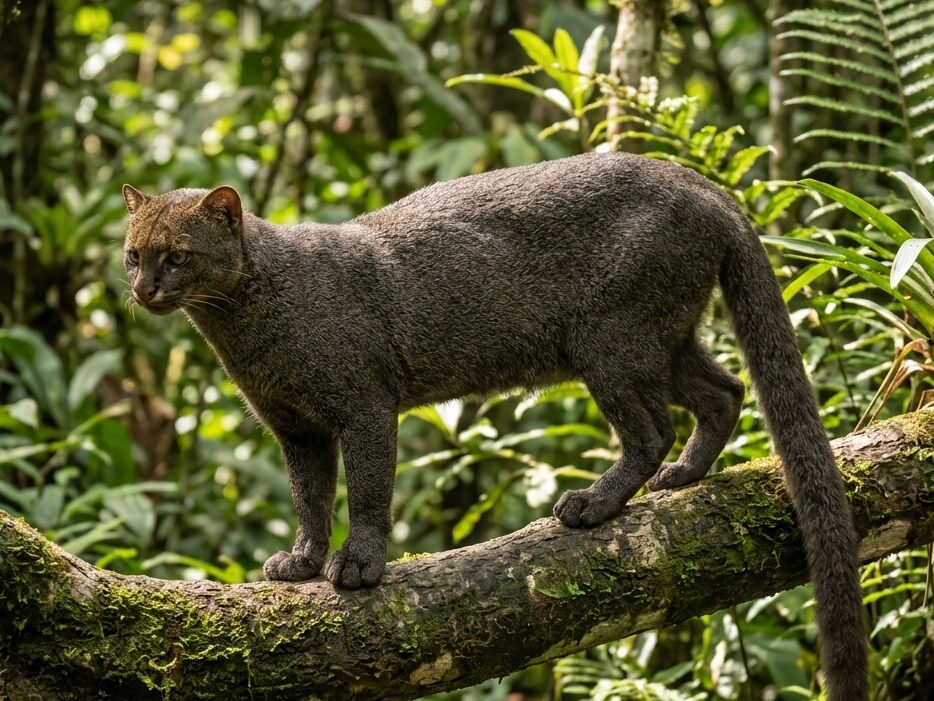
Note: Yaguarundí is masculine and carries an accent on the final syllable: ya-gua-run-DÍ. The word comes from Guaraní and refers to a small wild cat found from southern Texas to Argentina. The jaguarundi is unusual among cats for its otter-like appearance — it has a long body, short legs, and a small, rounded head. It’s also called gato moro in some regions.
Yak – Yak in Spanish (el)
El yak vive en las montañas del Himalaya. (The yak lives in the mountains of the Himalayas.)
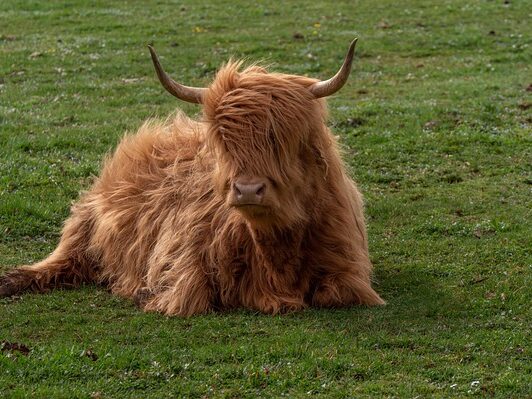
Note: Yak is masculine and invariable in the plural: los yak. The word comes from Tibetan gyak and entered Spanish through English. Yaks are large, long-haired cattle native to the Himalayas, domesticated for thousands of years for milk, meat, and wool. They’re adapted to high altitudes — they can survive at elevations where other cattle cannot.
Yegua – Mare in Spanish (la)
La yegua es un caballo hembra. (The mare is a female horse.)

Note: Yegua is feminine and takes la. It comes from Latin equa, the feminine form of equus (horse) — the same root that gives Spanish equino (equine) and English equine. In Spanish, a male horse is caballo, and the gender distinction is used consistently across horse vocabulary: potro / potra (foal), semental / yegua (breeding horse / mare).
Yigüirro – Clay-Colored Thrush in Spanish (el)
El yigüirro canta al comenzar la lluvia. (The clay-colored thrush sings when the rain begins.)
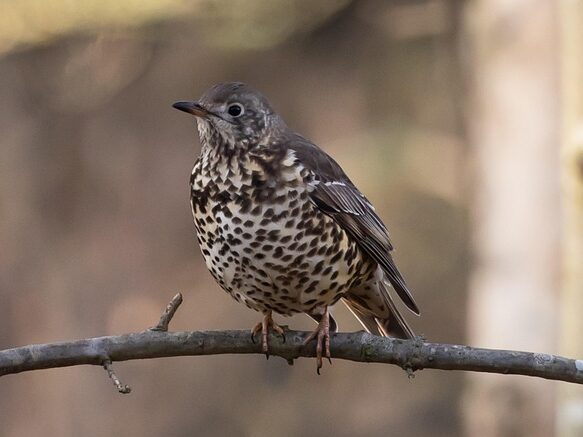
Note: Yigüirro is masculine and carries a diaeresis on the ü: yi-GÜI-rro. The diaeresis means the *u* is pronounced — without it, gui would sound like “gee.” The yigüirro is the national bird of Costa Rica, where its song is traditionally believed to announce the start of the rainy season. It’s known as zorzal de Swainson in other regions.
Yubarta – Humpback Whale in Spanish (la)
La yubarta migra miles de kilómetros cada año. (The humpback whale migrates thousands of kilometers each year.)
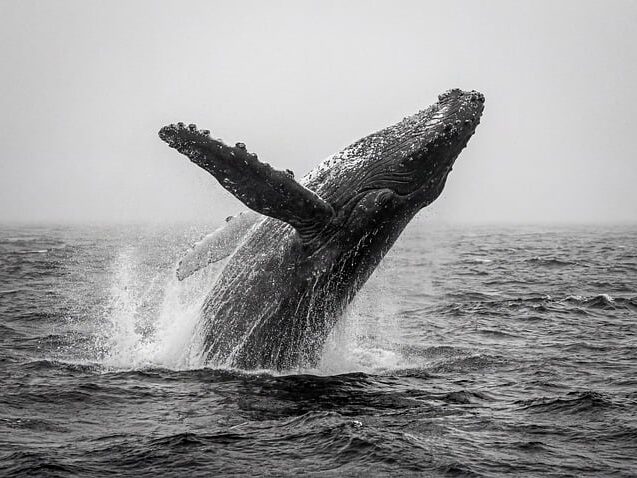
Note: Yubarta is feminine and takes la. It comes from French jubarte and is the RAE-recognized term for the humpback whale. In everyday usage, ballena jorobada is more common — jorobada means “humped.” Yubartas are known for their complex songs, which can last up to 30 minutes and travel for miles underwater.
🐆 Y Animals in Spanish: Frequently Asked Questions
A: Spanish has relatively few animals starting with Y. Common examples include yacaré (yacaré caiman), yaguareté (jaguar), yaguarundí (jaguarundi), yak (yak), yegua (mare), yigüirro (clay-colored thrush), and yubarta (humpback whale). See the full list of 7 above.
A: Mostly masculine, with two feminine exceptions on this page. Masculine examples: el yacaré, el yaguareté, el yak, el yigüirro. Feminine examples: la yegua and la yubarta. Both feminine Y-animals are native Spanish words, while the masculine ones are mostly loanwords from Guaraní, Tibetan, or French.
A: Yegua (feminine, la yegua). Example: La yegua es un caballo hembra. (The mare is a female horse.) The male is caballo, and a young horse is potro (male) or potra (female).
A: They refer to the same animal. Yaguareté comes from Guaraní and is the standard term in Argentina and Paraguay; jaguar is the more international form used in Spain and most other Spanish-speaking countries. Both are correct. The Guaraní word literally means “true beast”: yaguar (beast) + eté (true).
A: This page covers 7 animals that start with Y in Spanish, from el yacaré (yacaré caiman) to la yubarta (humpback whale). Y is one of the thinner letters in the Spanish animal vocabulary, so this list is shorter than most.