10 Animals That Start With H in Spanish (With Meanings)
Spanish animals that start with H are a small but surprisingly useful group. The letter H is silent in Spanish — so halcón sounds like “al-KON,” not “hal-KON” — which makes these words easier to pronounce than they look. You’ll find them in nature documentaries, pet stores, and everyday conversation about the natural world.
This guide covers 10 animals that start with H in Spanish, from the fast halcón (falcon) to the curious hurón (ferret). Each entry gives you the Spanish word, its English translation, its grammatical gender (el or la), and an example sentence so you can see it used naturally. Whether you’re a beginner building core vocabulary or a teacher preparing a lesson, this list is designed to be scanned quickly and studied deeply.
📋 Quick List: H Animals in Spanish
- Halcón — Falcon (el)
- Hámster — Hamster (el)
- Hiena — Hyena (la)
- Hipopótamo — Hippopotamus (el)
- Hormiga — Ant (la)
- Hurón — Ferret (el)
- Halcón peregrino — Peregrine falcon (el)
- Hámster enano — Dwarf hamster (el)
- Hipocampo — Seahorse (el)
- Hornero — Ovenbird (el)
Halcón – Falcon in Spanish (el)
El halcón se lanzó en picado para cazar su presa. (The falcon dove down to hunt its prey.)
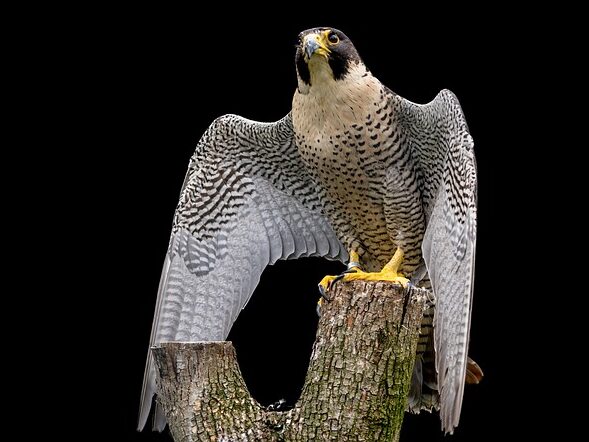
Note: Halcón is masculine: el halcón, los halcones. The H is silent — pronounced “al-KON.” A very common bird in Spanish-speaking countries and a frequent symbol in literature.
Hámster – Hamster in Spanish (el)
Mi hermano tiene un hámster que corre en su rueda toda la noche. (My brother has a hamster that runs on its wheel all night.)

Note: Hámster is masculine: el hámster, los hámsteres. The plural hámsteres is irregular — it adds -es rather than just -s. A common pet word in Spain and Latin America.
Hiena – Hyena in Spanish (la)
En el documental, una hiena se reía en la sabana. (In the documentary, a hyena was laughing on the savanna.)
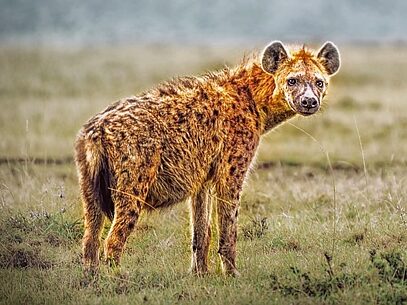
Note: Hiena is feminine: la hiena, las hienas. The word looks masculine because of the -a ending pattern, but it’s feminine — a good example of why gender must be memorized, not guessed.
Hipopótamo – Hippopotamus in Spanish (el)
El hipopótamo pasó casi todo el día dentro del agua. (The hippopotamus spent almost the entire day in the water.)
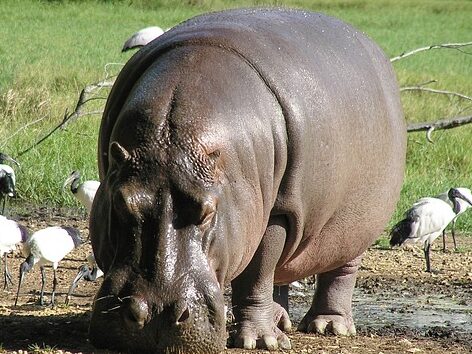
Note: Hipopótamo is masculine: el hipopótamo, los hipopótamos. In everyday Spanish, this is often shortened to el hipo in casual speech. The H is silent.
Hormiga – Ant in Spanish (la)
Una hormiga puede cargar objetos mucho más pesados que ella. (An ant can carry objects much heavier than itself.
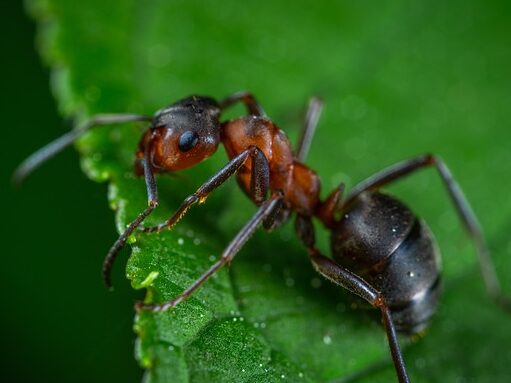
Note: Hormiga is feminine: la hormiga, las hormigas. The H is silent — pronounced “or-MEE-ga.” A very common word in fables and children’s stories.
Hurón – Ferret in Spanish (el)
A mi hurón le gusta esconder pequeños objetos por la casa. (My ferret likes to hide small objects around the house.)
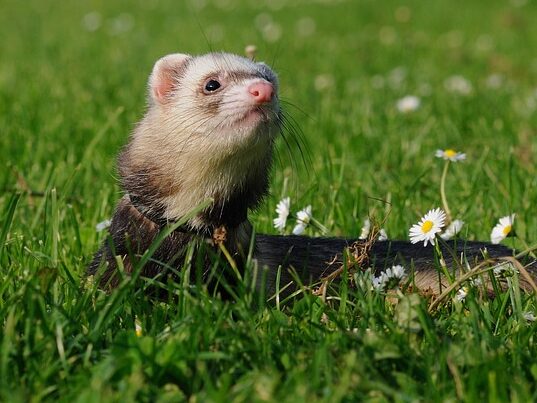
Note: Hurón is masculine: el hurón, los hurones. The plural adds -es. The H is silent — pronounced “oo-RON.” A popular pet in Spain.
Halcón peregrino – Peregrine falcon in Spanish (el)
El halcón peregrino es el ave más rápida del mundo. (The peregrine falcon is the fastest bird in the world.)
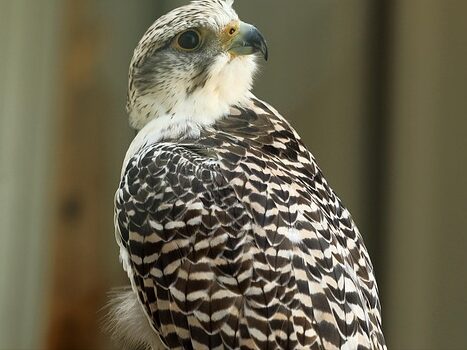
Note: A compound noun: halcón (falcon) + peregrino (pilgrim/migratory). Gender follows the first noun: el halcón peregrino. Peregrino agrees in gender and number: los halcones peregrinos.
Hámster enano – Dwarf hamster in Spanish (el)
El hámster enano es más pequeño que un hámster común. (The dwarf hamster is smaller than a common hamster.)
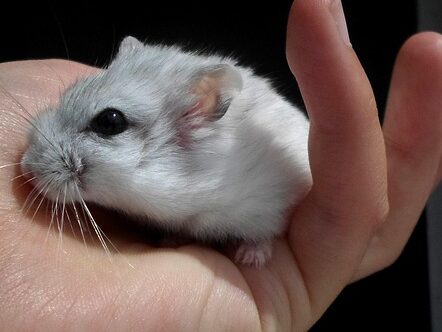
Note: Enano means “dwarf” and agrees with the noun: el hámster enano, los hámsteres enanos. A useful pattern for naming animal varieties in Spanish.
Hipocampo – Seahorse in Spanish (el)
El hipocampo es un pez, no un caballo. (The seahorse is a fish, not a horse.)
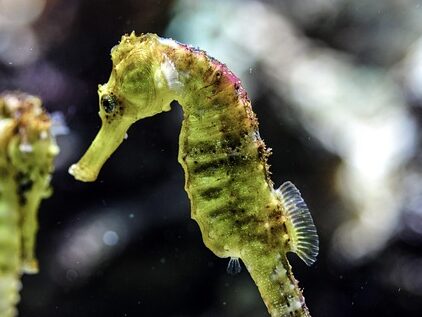
Note: Hipocampo is masculine: el hipocampo, los hipocampos. In some regions, caballito de mar (little sea horse) is more common in everyday speech. Hipocampo is also the anatomical term for the hippocampus in the brain.
Hornero – Ovenbird in Spanish (el)
El hornero construye su nido con barro. (The ovenbird builds its nest with mud.)
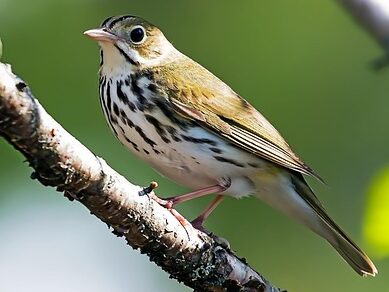
Note: Hornero is masculine: el hornero, los horneros. Named after horno (oven) because of its oven-shaped mud nest. The hornero is the national bird of Argentina — a nice cultural detail for students.
🐗 H Animals in Spanish: Frequently Asked Questions
A: The most common animals that start with H in Spanish are el halcón (falcon), el hámster (hamster), la hiena (hyena), el hipopótamo (hippopotamus), and la hormiga (ant). See the full list of 10 above.
A: Both. El halcón, el hámster, el hipopótamo, and el hurón are masculine. La hiena and la hormiga are feminine. You have to learn the article with each noun — gender can’t be guessed from the spelling.
A: Ant is hormiga (feminine). Una hormiga puede cargar objetos mucho más pesados que ella — An ant can carry objects much heavier than itself. The H is silent, so it’s pronounced “or-MEE-ga.”
A: Yes — in Spanish, the letter H is always silent. So halcón sounds like “al-KON,” hiena sounds like “ee-EH-na,” and hurón sounds like “oo-RON.”
A: This page covers 10 animals that start with H in Spanish, from halcón (falcon) to hornero (ovenbird).