Animals That Start With O in Spanish (With Meanings)
Names of animals that start with the letter O in Spanish
Spanish animals that start with O are anchored by one very productive word: oso (bear). From it you get el oso polar (polar bear), el oso panda (panda bear), el oso hormiguero (anteater), and el oso perezoso (sloth) — a whole family of animals built from the same root. Add la orca (orca), el ornitorrinco (platypus), and la oveja (sheep) and you have a surprisingly rich letter.
This guide covers 10 animals that start with O in Spanish, from la orca (orca) to la oveja (sheep). Each entry gives you the Spanish word, its English translation, its grammatical gender (el or la), and an example sentence so you can see it used naturally.
📋 Quick List: O Animals in Spanish
- Orca — Orca (la)
- Ornitorrinco — Platypus (el)
- Oruga — Caterpillar (la)
- Oso — Bear (el)
- Oso hormiguero — Anteater (el)
- Oso panda — Panda bear (el)
- Oso perezoso — Sloth (el)
- Oso polar — Polar bear (el)
- Ostra — Oyster (la)
- Oveja — Sheep (la)
Orca – Orca in Spanish (la)
La orca nada en el océano. (The orca swims in the ocean.)
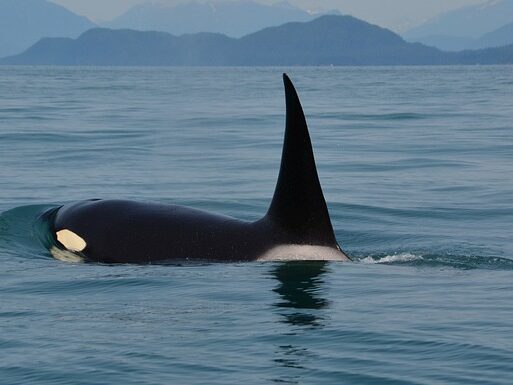
Note: Orca is feminine: la orca, las orcas. Also known as la ballena asesina (killer whale) in everyday Spanish, though it’s actually a dolphin, not a whale. Apex predator found in every ocean.
Ornitorrinco – Platypus in Spanish (el)
El ornitorrinco es un animal raro. (The platypus is a strange animal.)
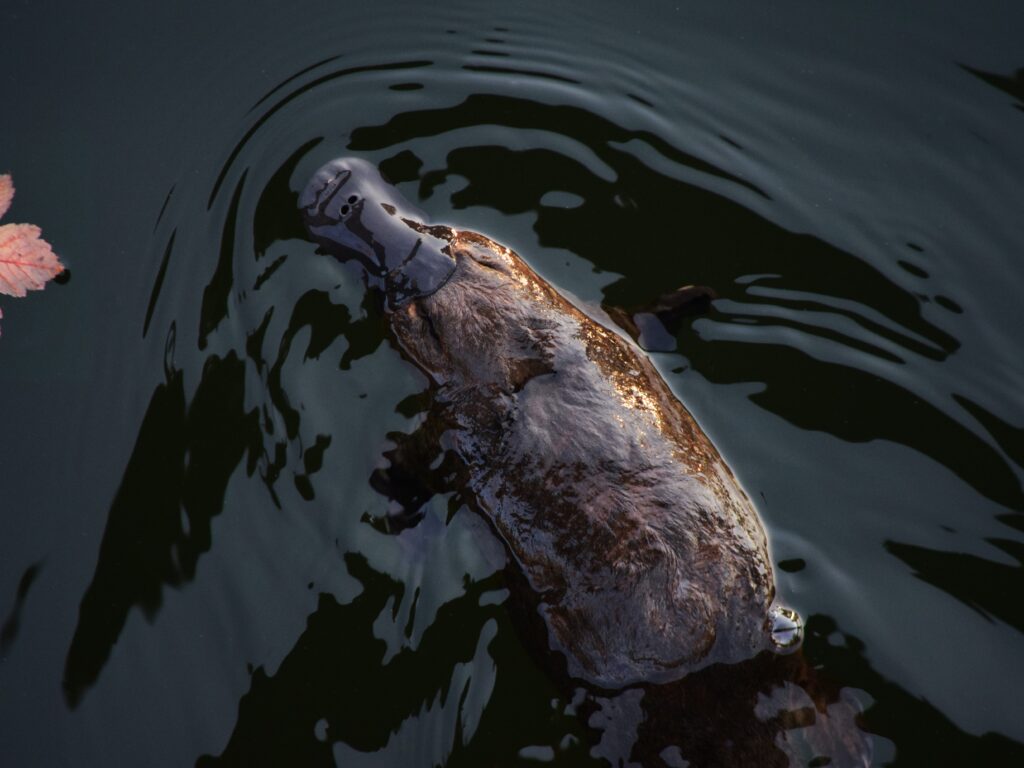
Note: Ornitorrinco is masculine: el ornitorrinco, los ornitorrincos. A mammal that lays eggs — one of the strangest animals on Earth. Native to Australia. A long word; practice the syllables: or-ni-to-RRIN-co.
Oruga – Caterpillar in Spanish (la)
La oruga se convierte en mariposa. (The caterpillar turns into a butterfly.)
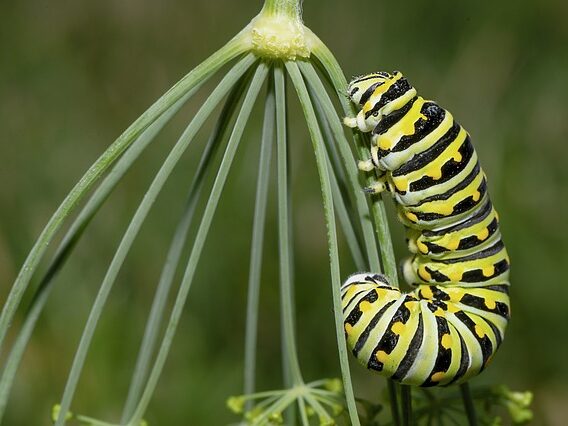
Note: Oruga is feminine: la oruga, las orugas. The larval stage of butterflies and moths. Do not confuse with oruga de mar (sea slug), which is a different animal. A common word in children’s nature vocabulary.
Oso – Bear in Spanish (el)
El oso vive en el bosque. (The bear lives in the forest.)
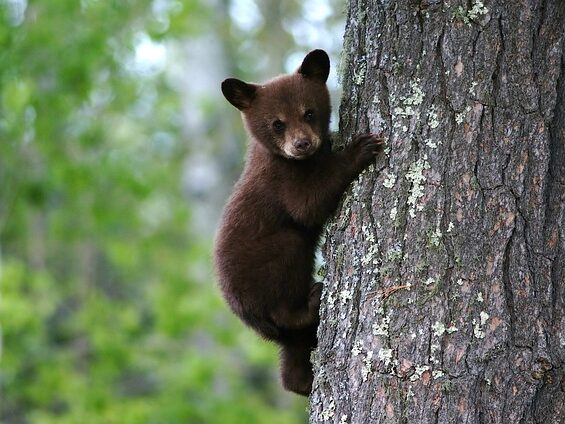
Note: Oso is masculine: el oso, los osos. Feminine: osa. This word is the base for many compound animal names starting with O — oso polar, oso panda, oso hormiguero, oso perezoso. A cornerstone of O-vocabulary.
Oso hormiguero – Anteater in Spanish (el)
El oso hormiguero come hormigas. (The anteater eats ants.)
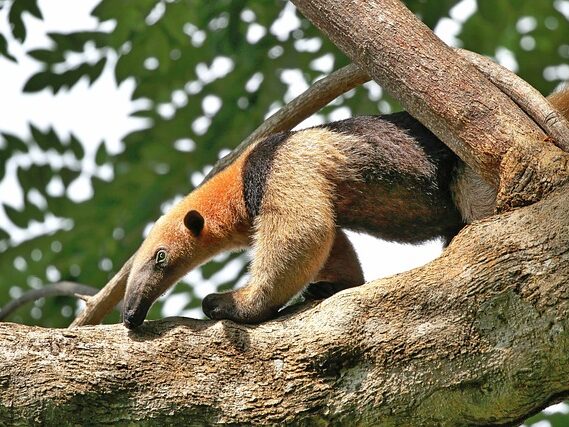
Note: Compound noun: oso (bear) + hormiguero (ant-eating, from hormiga = ant). Gender follows the first noun: el oso hormiguero. Plural: los osos hormigueros. Found in Central and South America.
Oso panda – Panda bear in Spanish (el)
El oso panda come bambú. (The panda bear eats bamboo.)
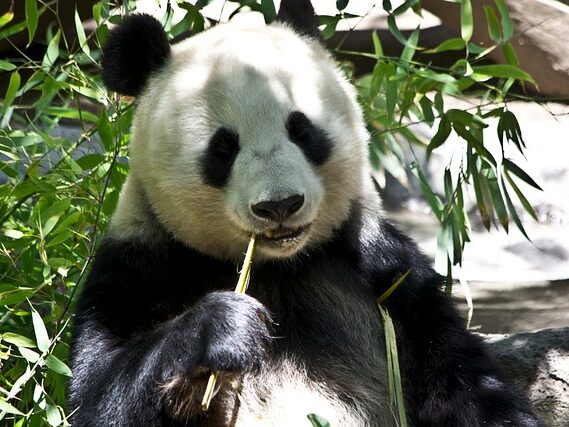
Note: Compound noun: oso (bear) + panda. Gender follows the first noun: el oso panda. Plural: los osos panda (panda stays invariable). Native to central China. The Spanish name follows the same pattern as English — “panda bear.”
Oso perezoso – Sloth in Spanish (el)
El oso perezoso duerme mucho. (The sloth sleeps a lot.)
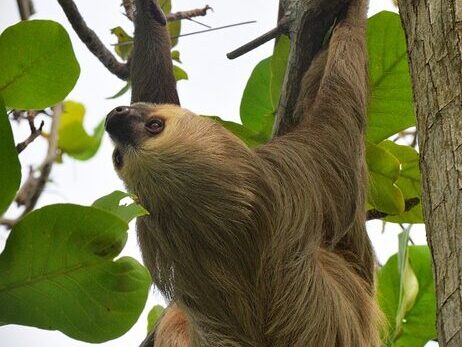
Note: Compound noun: oso (bear) + perezoso (lazy). Despite the name, the sloth is not a bear — it’s a tree-dwelling mammal native to Central and South America. In most of Latin America, the animal is just called perezoso; oso perezoso is a common variant. Not to be confused with the sloth bear (Melursus ursinus) of India.
Oso polar – Polar bear in Spanish (el)
El oso polar vive en el frío. (The polar bear lives in the cold.)
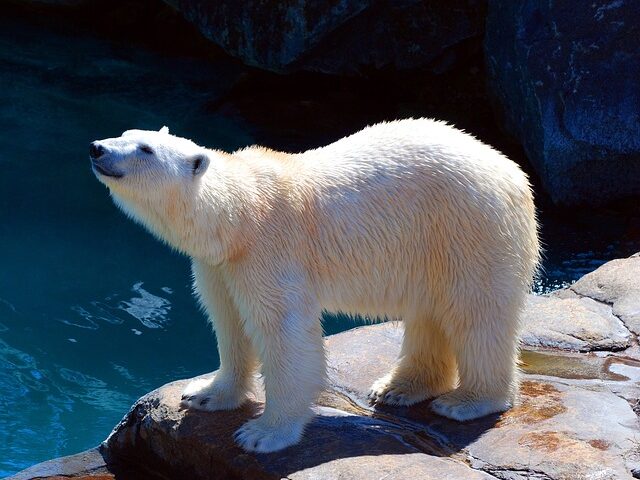
Note: Compound noun: oso (bear) + polar. Gender follows the first noun: el oso polar. Plural: los osos polares. Native to the Arctic. A common example in Spanish lessons about cold-climate animals.
Ostra – Oyster in Spanish (la)
La ostra tiene una perla. (The oyster has a pearl.)
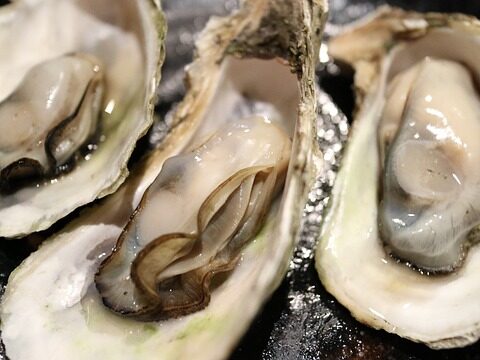
Note: Ostra is feminine: la ostra, las ostras. A bivalve mollusk. A common word in seafood and restaurant vocabulary. The idiom “aburrirse como una ostra” (to be bored like an oyster) means to be extremely bored.
Oveja – Sheep in Spanish (la)
La oveja es blanca y suave. (The sheep is white and soft.)
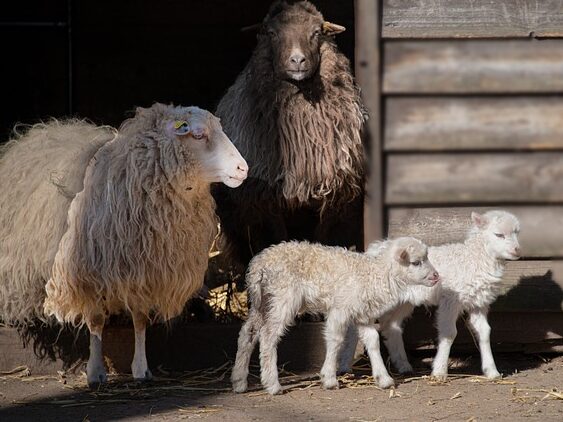
Note: Oveja is feminine: la oveja, las ovejas. The masculine carnero means “ram.” A very common farm animal in Spain and Latin America. The idiom “oveja negra” (black sheep) exists in Spanish just like in English.
🐗 O Animals in Spanish: Frequently Asked Questions
A: The most common animals that start with O in Spanish are el oso (bear), la orca (orca), la oveja (sheep), el oso polar (polar bear), and la oruga (caterpillar). See the full list of 10 above.
A: Both. Most O-animals ending in -o are masculine (el oso, el ornitorrinco, el oso polar), and most ending in -a are feminine (la orca, la oruga, la oveja). Watch for la ostra — feminine despite the -a ending, which fits the pattern here.
A: Bear is oso (masculine: el oso). El oso vive en el bosque — The bear lives in the forest. The feminine is osa. Many O-animals are compound words built from oso: oso polar, oso panda, oso hormiguero.
A: Oso perezoso means sloth — not “sloth bear.” The name literally means “lazy bear,” but the animal is not a bear at all. It’s a tree-dwelling mammal native to Central and South America. The true sloth bear (Melursus ursinus) is a different species found in India.
A: This page covers 10 animals that start with O in Spanish, from orca (orca) to oveja (sheep).