Animal Names Starting With A
The letter A is unusually rich in Spanish animal vocabulary — so rich that it contains one of the language’s most famous gender traps. Águila (eagle) is feminine, but it takes el in the singular: el águila, not la águila. This happens because the stressed *a-* sound at the start of a feminine noun triggers a special article rule, and it catches learners at every level. This guide covers 16 animals that start with A in Spanish, from la abeja (bee) to la avispa (wasp).
Each entry gives you the Spanish word, its article, the English translation, a natural example sentence with its English meaning, and a short note explaining the grammar or cultural detail behind it. You’ll find farm animals, sea creatures, insects, and even a few South American natives — la alpaca, el armadillo — that don’t exist in most beginner textbooks.
📋 Quick List: A Animals in Spanish
- Abeja — Bee (la)
- Águila — Eagle (el)
- Alce — Moose/Elk (el)
- Almeja — Clam (la)
- Alondra — Lark (la)
- Alpaca — Alpaca (la)
- Anchoa — Anchovy (la)
- Anguila — Eel (la)
- Antílope — Antelope (el)
- Araña — Spider (la)
- Ardilla — Squirrel (la)
- Arenque — Herring (el)
- Armadillo — Armadillo (el)
- Atún — Tuna (el)
- Avestruz — Ostrich (el)
- Avispa — Wasp (la)
Abeja – Bee in Spanish (la)
La abeja zumba alrededor de las flores. (The bee buzzes around the flowers.)
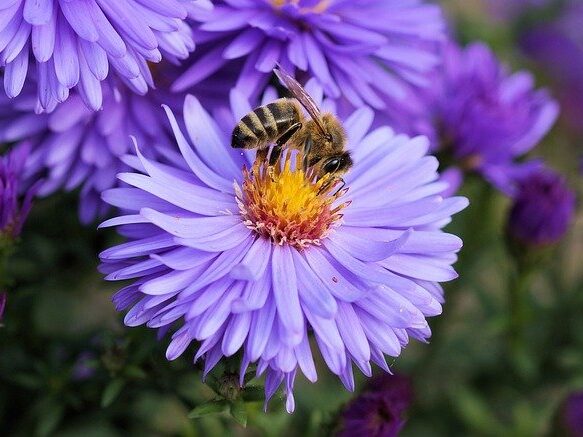
Note: Abeja is feminine and takes la. It comes from Latin apicula, a diminutive of apis — the same root that gives English apiary. In Spain, abeja is also a common term of endearment in the phrase mi abeja (my bee), though it’s more common in Latin America.
Águila – Eagle in Spanish (el)
El águila vuela alto en el cielo. (The eagle flies high in the sky.)
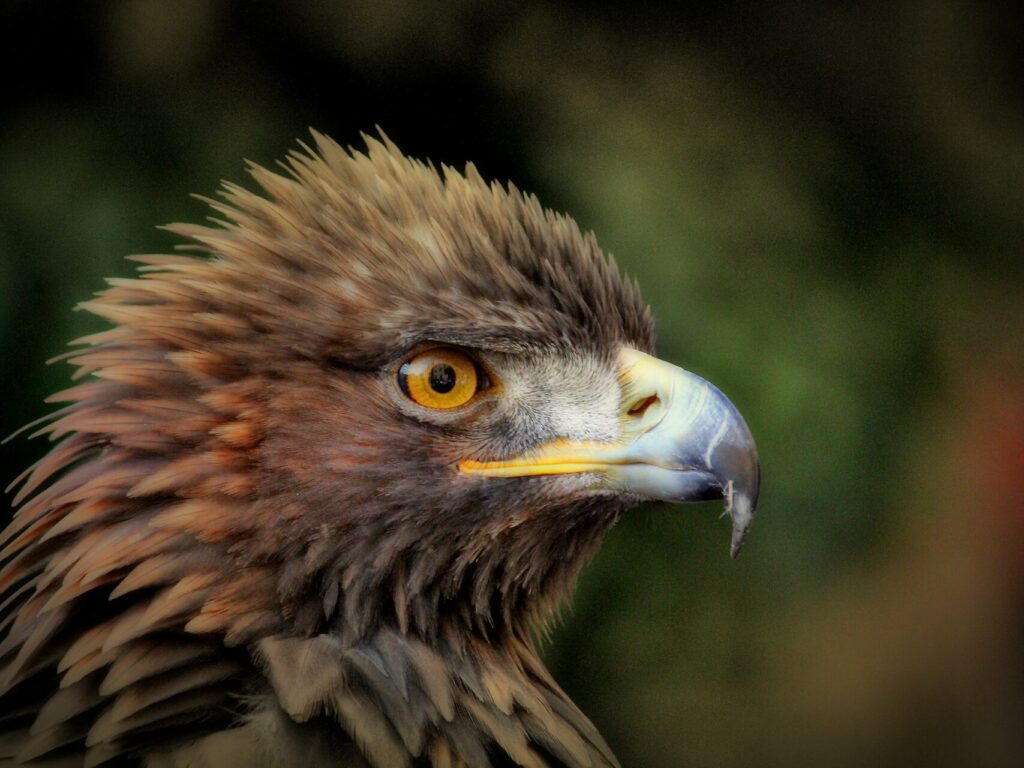
Note: This is the classic exception every Spanish student meets. Águila is feminine, but because it begins with a stressed *a-*, it takes el in the singular: el águila. In the plural it reverts to feminine: las águilas. The eagle is the national symbol of Mexico, appearing on the flag and the coat of arms.
Alce – Moose/Elk in Spanish (el)
El alce tiene cuernos grandes. (The elk has large antlers.)
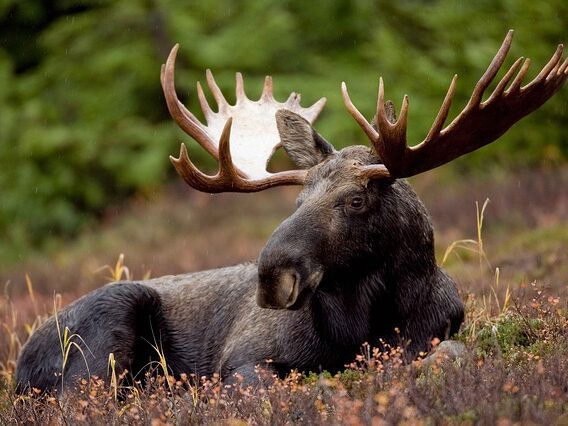
Note: Alce is masculine. In Spain, alce refers to the Eurasian elk; in North America, it’s the word used for moose. The word likely came into Spanish from Germanic languages, related to English elk. Note that cuernos here means antlers, though the same word is used for horns.
Almeja – Clam in Spanish (la)
La almeja se entierra en la arena del mar. (The clam buries itself in the sand of the sea.)
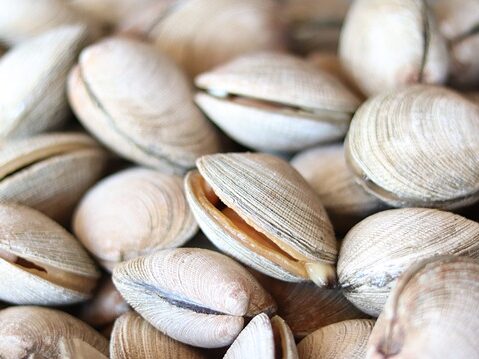
Note: Almeja is feminine. It’s a common food word in Spain and coastal Latin America — almejas a la marinera is a classic tapas dish. The word shares a root with Portuguese ameijoa and may come from a pre-Roman Iberian language.
Alondra – Lark in Spanish (la)
La alondra canta hermosamente en la mañana. (The lark sings beautifully in the morning.)
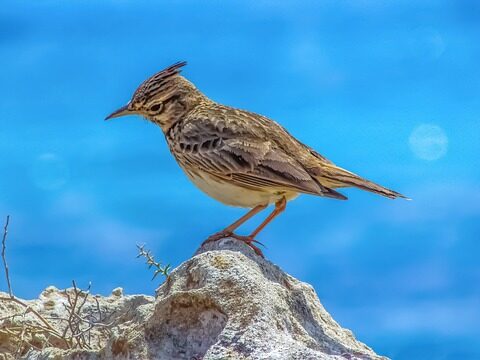
Note: Alondra is feminine and also a common given name in Spanish-speaking countries. The bird is a symbol of early morning and joyful song in Spanish poetry — the phrase cantar como una alondra (to sing like a lark) means to sing beautifully.
Alpaca – Alpaca in Spanish (la)
La alpaca produce lana suave. (The alpaca produces soft wool.)
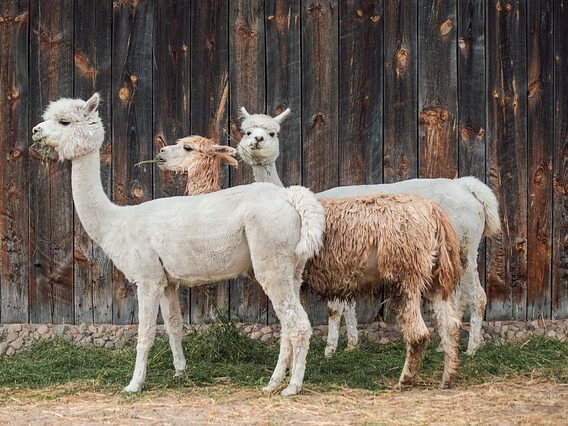
Note: Alpaca is feminine. The word comes from Aymara, an indigenous language of the Andes, and entered Spanish through Quechua. Alpacas are domesticated South American camelids, smaller cousins of the llama, and are central to Andean textile traditions.
Anchoa – Anchovy in Spanish (la)
La anchoa es un pequeño pez salado. (The anchovy is a small, salty fish.)
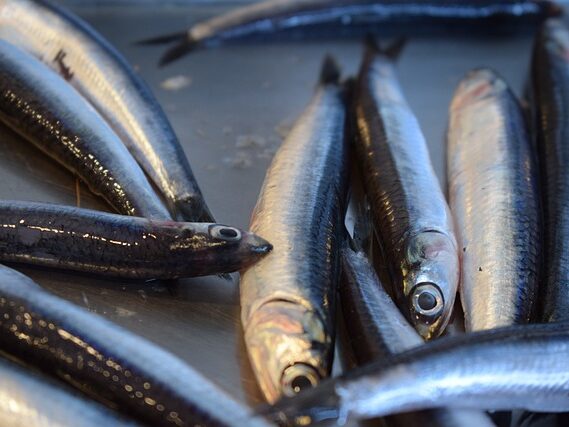
Note: Anchoa is feminine. It’s a common ingredient in Mediterranean cooking — anchoas en aceite (anchovies in oil) is a standard tapa. In some regions, especially Latin America, the word anchova is also used, though anchoa is the standard form.
Anguila – Eel in Spanish (la)
La anguila nada ágilmente en el agua. (The eel swims agilely in the water.)
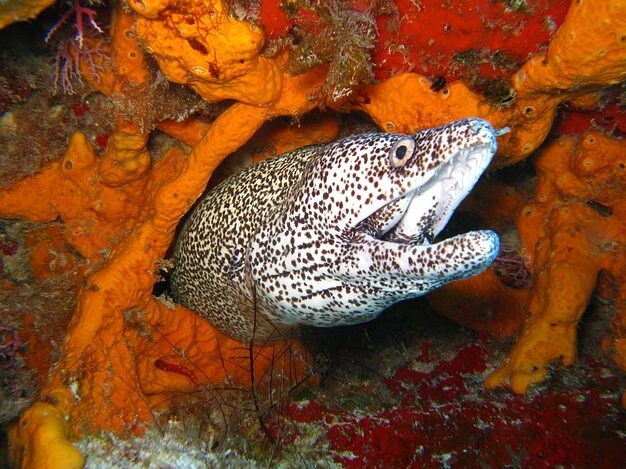
Note: Anguila is feminine. It shares a root with English eel through Latin anguilla. Anguila is also the Spanish name for the island of Anguilla in the Caribbean — the island was named for its eel-like shape.
Antílope – Antelope in Spanish (el)
El antílope corre velozmente por la pradera. (The antelope runs swiftly across the meadow.)
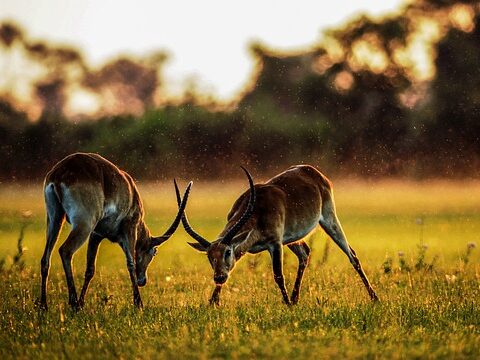
Note: Antílope is masculine. The word came into Spanish through Latin from Greek antholops, a word of uncertain origin. In Spanish, the plural is antílopes, and the word is used for the many species of antelope found across Africa and Asia.
Araña – Spider in Spanish (la)
La araña teje una telaraña en la esquina. (The spider weaves a web in the corner.)
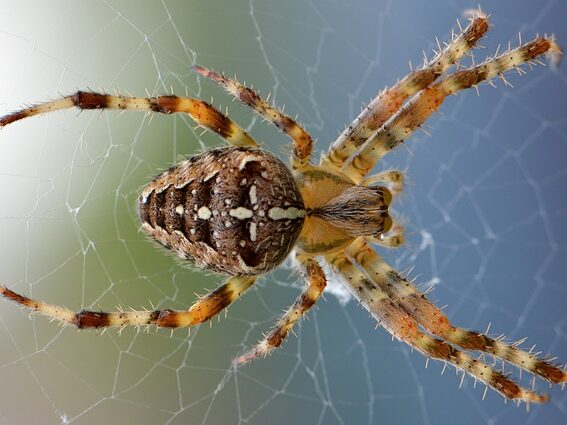
Note: Araña is feminine. The word for spiderweb — telaraña — is a compound of tela (cloth) + araña. The idiom tener arañas (literally “to have spiders”) is used in some regions to mean being restless or fidgety.
Ardilla – Squirrel in Spanish (la)
La ardilla salta de rama en rama. (The squirrel jumps from branch to branch.)
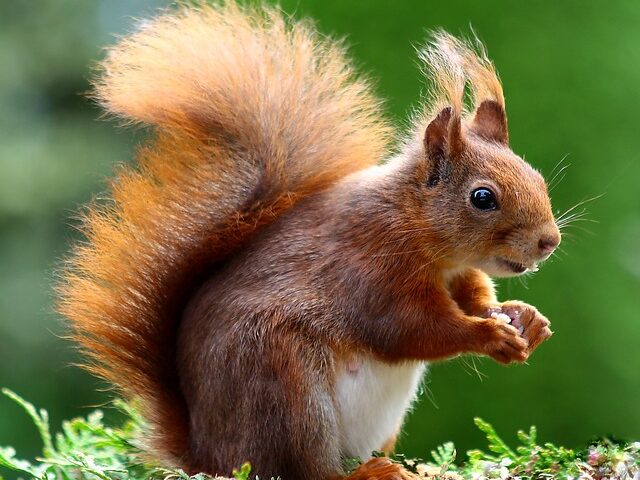
Note: Ardilla is feminine. It comes from Latin ardilla, a diminutive of ardua, referring to the squirrel’s agile climbing. Squirrels appear in Spanish fables and children’s stories, often as clever, quick-witted characters.
Arenque – Herring in Spanish (el)
El arenque es un pez común en aguas frías. (The herring is a common fish in cold waters.)
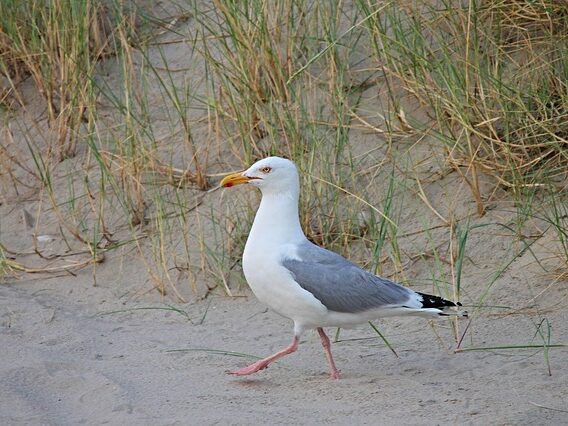
Note: Arenque is masculine. It’s a common food fish in northern Spain and Northern Europe. The phrase rojo como un arenque (red as a herring) describes someone blushing deeply — borrowed from the Germanic tradition of smoked herring turning reddish.
Armadillo – Armadillo in Spanish (el)
El armadillo tiene un caparazón fuerte. (The armadillo has a strong shell.)

Note: Armadillo is masculine. The word is a diminutive of armado (armed), referring to the animal’s armored shell. It’s one of the few Spanish animal words borrowed directly into English unchanged — English kept the Spanish spelling and pronunciation.
Atún – Tuna in Spanish (el)
El atún nada rápidamente en el océano. (The tuna swims quickly in the ocean.)

Note: Atún is masculine and has an irregular plural: atunes. It’s one of the most important commercial fish in Spain, and atún en aceite (tuna in oil) is a pantry staple. The word comes from Andalusian Arabic al-tūn, ultimately from Greek thynnos.
Avestruz – Ostrich in Spanish (el)
El avestruz corre velozmente en la llanura. (The ostrich runs swiftly on the plain.)
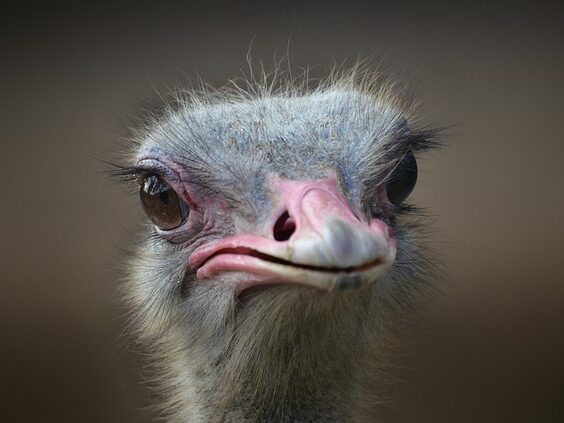
Note: Avestruz is masculine and has an irregular plural: avestruces. The word came into Spanish through Latin avis struthio (bird-ostrich), which is why it looks like a compound of ave (bird) + struz. It’s the largest living bird and is farmed in Spain for meat and leather.
Avispa – Wasp in Spanish (la)
La avispa zumba alrededor del jardín. (The wasp buzzes around the garden.)
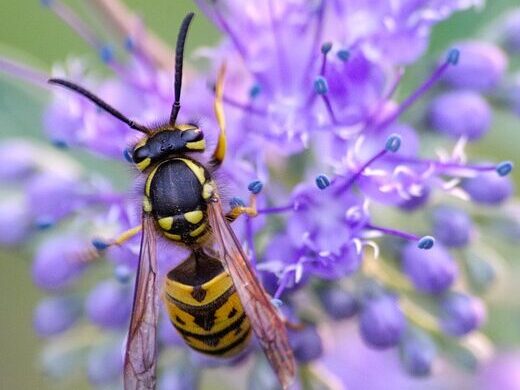
Note: Avispa is feminine. It shares a root with abeja (bee) and avispa — both come from Latin vespa, which also gives English vespid. Unlike abeja, which is generally positive, avispa carries a negative connotation in Spanish — tener avispas (literally “to have wasps”) means to be irritable or cranky.
You’ve mastered the animals starting with A! Ready to learn more? Visit our main Spanish Animals Vocabulary Hub to discover lists from A to Z, or test your knowledge with our fun interactive quizzes.
🐜 A Animals in Spanish: Frequently Asked Questions
A: Common examples include abeja (bee), águila (eagle), alce (moose/elk), almeja (clam), alpaca (alpaca), araña (spider), ardilla (squirrel), atún (tuna), and avestruz (ostrich). See the full list of 16 above.
A: Both. Masculine examples: el alce, el antílope, el atún. Feminine examples: la abeja, la araña, la ardilla. One important exception: águila is feminine but takes el in the singular (el águila) because it begins with a stressed a-; in the plural it reverts to las águilas.
A: Abeja (feminine, la abeja). Example: La abeja zumba alrededor de las flores. (The bee buzzes around the flowers.)
A: Águila is a feminine noun, but Spanish uses el before feminine nouns that begin with a stressed a- sound (like el agua, el hacha, el área). This is purely for pronunciation — it avoids the awkward clash of two a sounds. In the plural, the normal feminine article returns: las águilas.
A: This page covers 16 animals that start with A in Spanish, from la abeja (bee) to la avispa (wasp).