Animals That Start With N in Spanish (With Meanings)
◄ Back to Animals Hub | Practice with Flashcards & Quiz ►
Spanish animals that start with N are a small but fascinating group. The letter N is genuinely rare in Spanish animal vocabulary — and two of the most interesting N-animals actually start with Ñ, the letter unique to Spanish. From el ñandú (rhea) to la nutria (otter), these words show you a side of Spanish vocabulary most learners never reach.
This guide covers 4 animals that start with N in Spanish, from el ñandú (rhea) to la nutria (otter). Each entry gives you the Spanish word, its English translation, its grammatical gender (el or la), and an example sentence so you can see it used naturally.
N is a thin letter in Spanish — there simply aren’t many common animals starting with it. This guide covers the 4 most useful ones for learners. Use the Quick List below to review all four at a glance, then read the detailed entries for context and usage.
📋 Quick List: N Animals in Spanish
- Ñandú — Rhea (el)
- Narval — Narwhal (el)
- Ñu — Wildebeest (el)
- Nutria — Otter (la)
Ñandú – Rhea in Spanish (el)
El ñandú es como un avestruz. (The rhea is like an ostrich.)
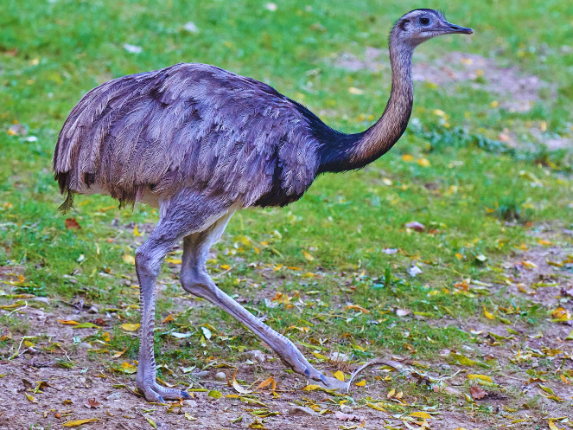
Note: Ñandú is masculine: el ñandú, los ñandúes. The plural adds -es and keeps the accent on the ú. A large flightless bird native to South America — similar to an ostrich but smaller and native to the Southern Hemisphere. The ñ is a letter unique to Spanish.
Narval – Narwhal in Spanish (el)
El narval tiene un cuerno. (The narwhal has a horn.)
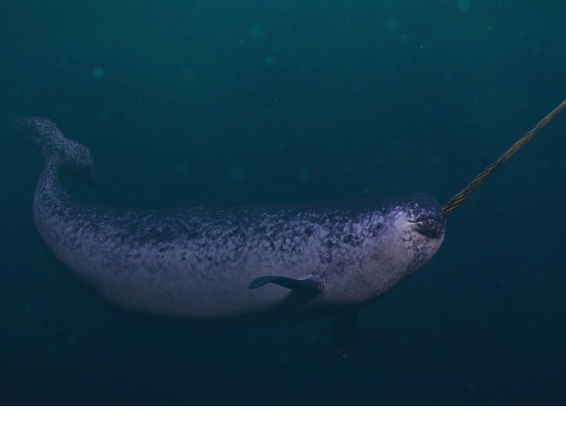
Note: Narval is masculine: el narval, los narvales. The plural adds -es. An Arctic whale famous for its long tusk — often called “the unicorn of the sea.” The word is the same in Spanish and English.
Ñu – Wildebeest in Spanish (el)
El ñu migra. (The wildebeest migrates.)
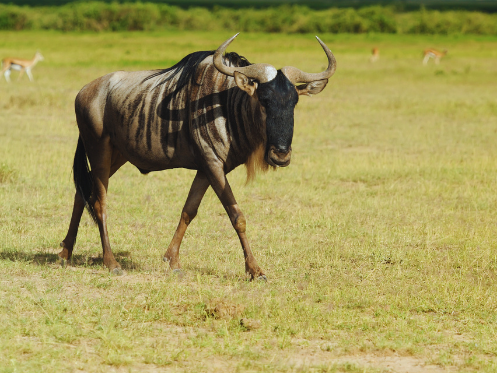
Note: Ñu is masculine: el ñu, los ñúes. The plural adds -es. An African antelope also known as the gnu in English. Like ñandú, it starts with the letter ñ — unique to Spanish. The word is short and its pronunciation is straightforward: “nyoo.”
Nutria – Otter in Spanish (la)
La nutria juega. (The otter plays.)

Note: Nutria is feminine: la nutria, las nutrias. The word can refer to both the river otter and the sea otter, though nutria marina is used specifically for the sea otter. A playful aquatic mammal common in Spanish-language nature documentaries.
🐗 N Animals in Spanish: Frequently Asked Questions
A: The most common animals that start with N in Spanish are el ñandú (rhea), el narval (narwhal), el ñu (wildebeest), and la nutria (otter). N is a thin letter in Spanish — this guide covers the 4 most useful ones.
A: Most are masculine: el ñandú, el narval, el ñu. But la nutria (otter) is feminine. As always, learn the article with the noun — gender can’t be guessed from the spelling.
A: Otter is nutria (feminine: la nutria). La nutria juega — The otter plays. For the sea otter specifically, use la nutria marina.
A: Yes — ñandú (rhea) and ñu (wildebeest) are two of the few animals whose Spanish names start with Ñ, the letter unique to Spanish. Both are masculine: el ñandú, el ñu.
A: This page covers 4 animals that start with N in Spanish, from ñandú (rhea) to nutria (otter). N is a thin letter in Spanish, so the list is short but complete.