Animal Names Starting With E in Spanish
Spanish animals that start with E include some of the biggest names in the animal kingdom — el elefante (elephant) and el emú (emu) — alongside everyday creatures like el erizo (hedgehog) and el escarabajo (beetle). The letter also gives you two useful marine words: el erizo de mar (sea urchin) and la estrella de mar (starfish).
This guide covers 10 animals that start with E in Spanish, from el elefante (elephant) to el esturión (sturgeon). Each entry gives you the Spanish word, its English translation, its grammatical gender (el or la), and an example sentence so you can see it used naturally.
Whether you’re a beginner building core vocabulary or a teacher preparing a lesson, this list is designed to be scanned quickly and studied deeply. Use the Quick List below to review all ten at a glance, then read the detailed entries for context and usage.
📋 Quick List: E Animals in Spanish
- Elefante — Elephant (el)
- Emú — Emu (el)
- Erizo — Hedgehog (el)
- Erizo de mar — Sea urchin (el)
- Escarabajo — Beetle (el)
- Escorpión — Scorpion (el)
- Estornino — Starling (el)
- Estrella de mar — Starfish (la)
- Equidna — Echidna (la)
- Esturión — Sturgeon (el)
Elefante – Elephant in Spanish (el)
El elefante es el animal terrestre más grande del mundo. (The elephant is the largest land animal in the world.)
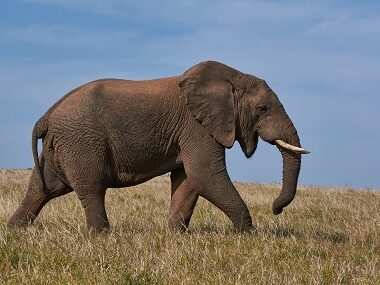
Note: Elefante is masculine: el elefante, los elefantes. The feminine is elefanta. A symbol of memory and strength in many cultures. The word is the same in Spanish and English.
Emú – Emu in Spanish (el)
El emú no puede volar, pero corre muy rápido. (The emu cannot fly, but it runs very fast.)
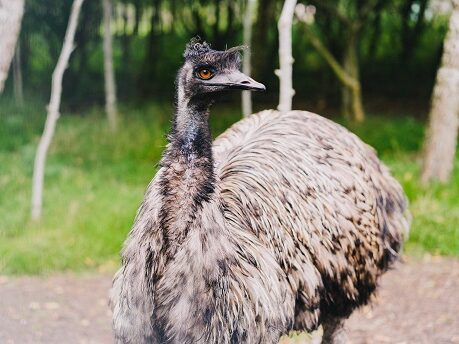
Note: Emú is masculine: el emú, los emúes. The plural adds -es and keeps the accent on the ú. A large flightless bird native to Australia — the second-largest bird in the world after the ostrich. Not to be confused with ñandú (rhea), a similar South American bird.
Erizo – Hedgehog in Spanish (el)
El erizo se enrolla en una bola cuando tiene miedo. (The hedgehog curls into a ball when it’s scared.)
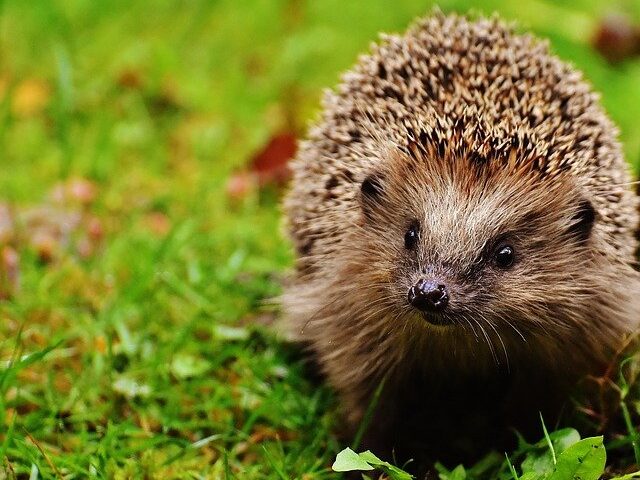
Note: Erizo is masculine: el erizo, los erizos. A hedgehog — a small spiny mammal. Common in Spanish gardens and forests. The same word is used for “sea urchin” when combined with de mar (see below).
Erizo de mar – Sea Urchin in Spanish (el)
El erizo de mar vive en el fondo del océano. (The sea urchin lives at the bottom of the ocean.)
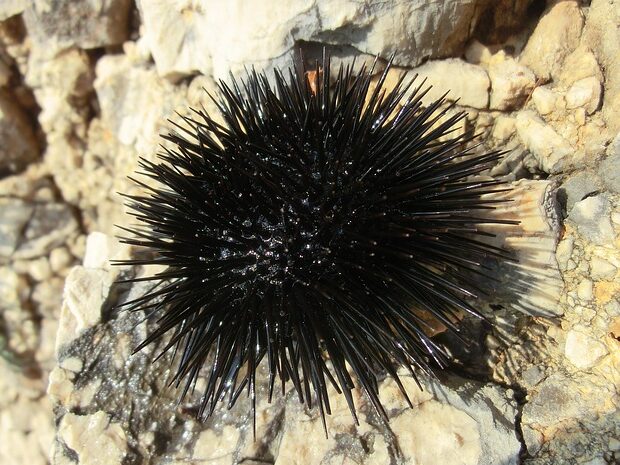
Note: Compound noun: erizo (hedgehog) + de mar (of the sea). Gender follows the first noun: el erizo de mar. Plural: los erizos de mar. Named for its spiny resemblance to a hedgehog. A common seafood in Spain and Latin America.
Escarabajo – Beetle in Spanish (el)
El escarabajo tiene un caparazón duro. (The beetle has a hard shell.)
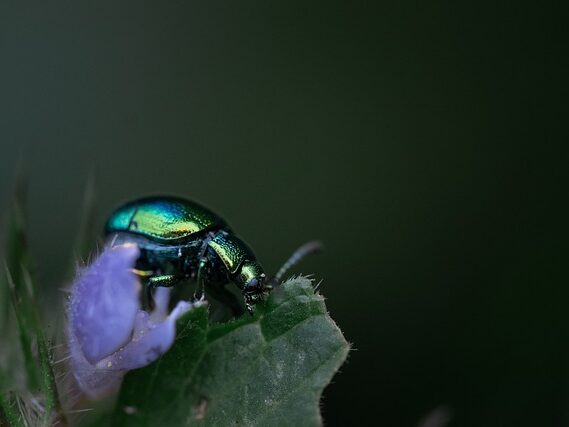
Note: Escarabajo is masculine: el escarabajo, los escarabajos. A beetle — the largest order of insects on Earth. The scarab beetle (escarabajo sagrado) was sacred in ancient Egypt. A common word in children’s nature vocabulary.
Escorpión – Scorpion in Spanish (el)
El escorpión tiene un aguijón venenoso en la cola. (The scorpion has a venomous stinger in its tail.)
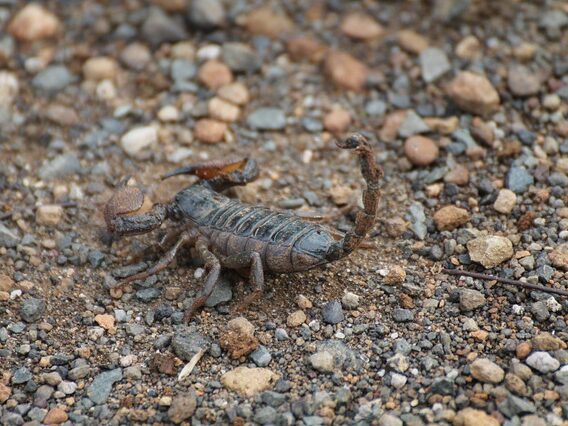
Note: Escorpión is masculine: el escorpión, los escorpiones. A scorpion — an arachnid with a venomous stinger. In Mexico and Central America, the more common word is alacrán. Also the name of a zodiac sign in Spanish astrology.
Estornino – Starling in Spanish (el)
El estornino imita los sonidos que escucha. (The starling imitates the sounds it hears.)
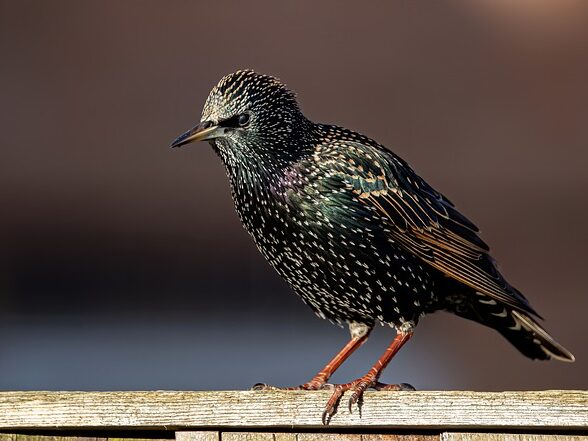
Note: Estornino is masculine: el estornino, los estorninos. A starling — a medium-sized bird known for mimicking sounds and for its spectacular flocking behavior (murmurations). Common in Spain and across Europe.
Estrella de mar – Starfish in Spanish (la)
La estrella de mar tiene cinco brazos. (The starfish has five arms.)
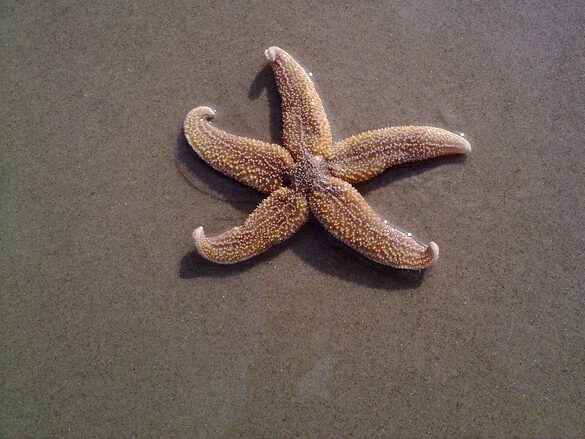
Note: Compound noun: estrella (star) + de mar (of the sea). Gender follows the first noun: la estrella de mar. Plural: las estrellas de mar. A marine animal — not a fish, despite the English name. Most have five arms, though some species have more.
Equidna – Echidna in Spanish (la)
La equidna pone huevos, aunque es un mamífero. (The echidna lays eggs, even though it’s a mammal.)
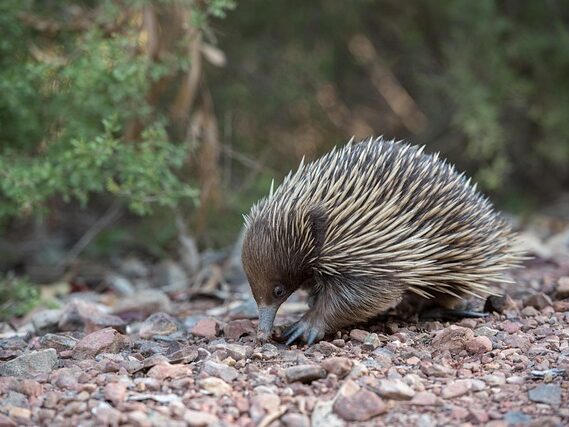
Note: Equidna is feminine: la equidna, las equidnas. An echidna — a spiny egg-laying mammal native to Australia and New Guinea. Along with the platypus (ornitorrinco), it’s one of the only monotremes in the world. Sometimes called oso hormiguero espinoso (spiny anteater).
Esturión – Sturgeon in Spanish (el)
El esturión es famoso por sus huevos, que se convierten en caviar. (The sturgeon is famous for its eggs, which become caviar.)
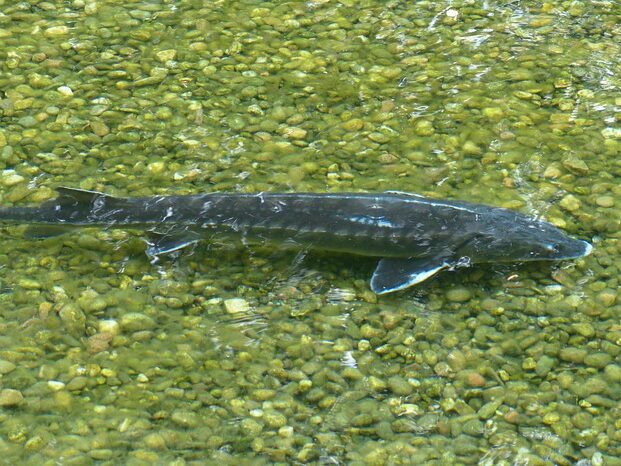
Note: Esturión is masculine: el esturión, los esturiones. The plural adds -es and keeps the accent on the ó. A large, ancient fish — some species live over 100 years. Its eggs are the source of true caviar. Once common in Spanish rivers; now endangered.
🐗 E Animals in Spanish: Frequently Asked Questions
A: The most common animals that start with E in Spanish are el elefante (elephant), el emú (emu), el erizo (hedgehog), el escarabajo (beetle), and la estrella de mar (starfish). See the full list of 10 above.
A: Mostly masculine — el elefante, el emú, el erizo, el escarabajo, el escorpión, el estornino, el esturión. But la estrella de mar (starfish) and la equidna (echidna) are feminine. Always learn the article with the noun.
A: Elephant is elefante (masculine: el elefante). El elefante es el animal terrestre más grande del mundo — The elephant is the largest land animal in the world. The feminine is elefanta.
A: Erizo alone means hedgehog — a land mammal with spines. Erizo de mar literally means “hedgehog of the sea” and refers to a sea urchin. Both share the same base word because of their spiny appearance.
A: This page covers 10 animals that start with E in Spanish, from elefante (elephant) to esturión (sturgeon).